







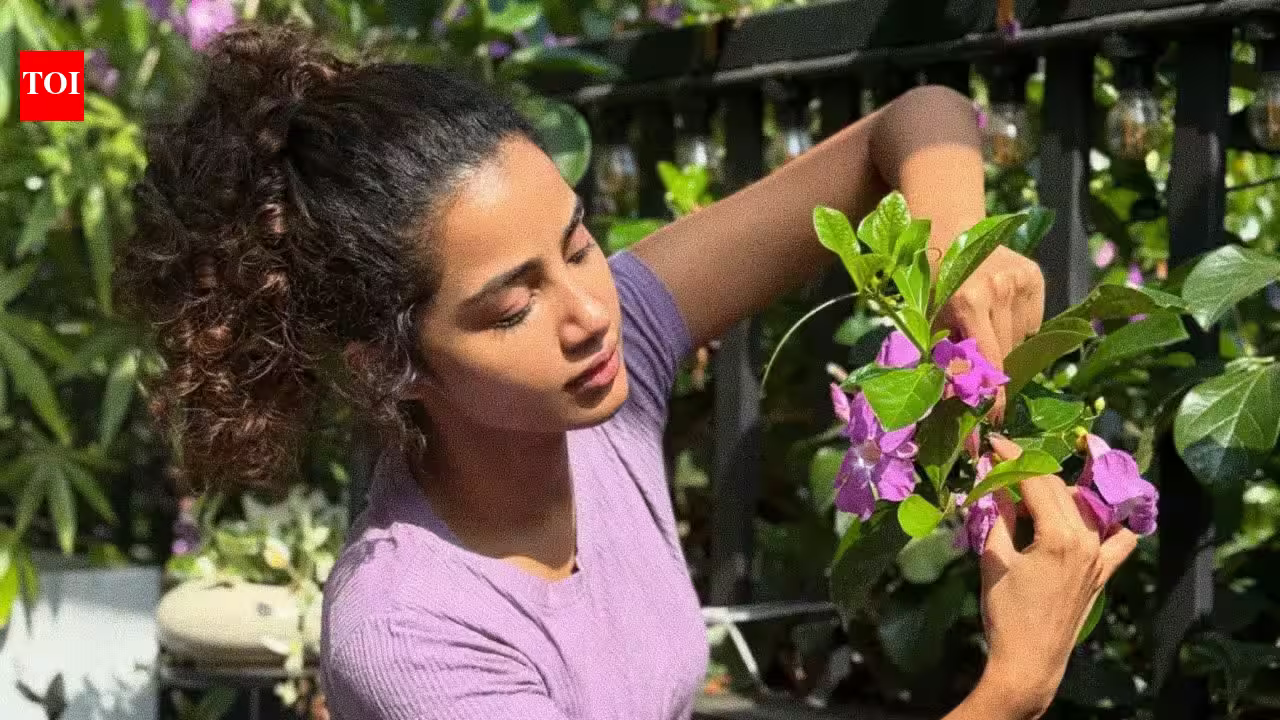
In the high-pressure ecosystem of South Indian cinema, where every Instagram post is dissected by millions and every silence is interpreted as a statement, Anupama Parameswaran has decided to stop playing the game by others’ rules. The Premam star, known for her candid charm and relatable screen presence, recently took to social media to call out the blatant hypocrisy often directed at public figures—and in doing so, she has ignited a conversation about the double standards that define fame.
In a candid, multi-part Instagram story, Anupama addressed the “glass house” nature of celebrity life, where actions are rarely judged by their intent, but rather by who is performing them. Without pointing a finger at a specific individual or industry peer, the actress articulated a frustration that many in the spotlight feel but rarely vocalize: the experience of being penalized for behaviors that are suddenly applauded when adopted by others.
The hypocritical lens of public perception
At the heart of Anupama’s message was a sharp observation regarding the fluidity of judgment. She noted that behaviors which once earned her criticism—or were framed as “too much” or “out of line”—are now being treated as acceptable or even trendy when the roles are reversed.
“The things you were once made to feel guilty about have become perfectly normal when the roles are reversed,” she wrote, cutting to the chase. It is a sentiment that resonates beyond the film industry, highlighting the subtle, often sexist or biased undertones of public scrutiny. Anupama pointed out that even simple joys, such as expressing genuine appreciation for one’s support system or celebrating small personal milestones, have been weaponized against her. She summarized the epiphany with stinging clarity: “It makes you realize that sometimes, it was never really about what you did. It was about who was allowed to do it.”
Challenging the performative nature of social media
Beyond the specific call-out of double standards, Anupama’s post served as a critique of how social media culture demands constant, high-octane performance from actors. In an era where “engagement” is the primary currency, many celebrities are pressured to broadcast every facet of their lives to prove their “authenticity.”
Anupama, however, is drawing a firm line in the sand. She clarified that her tendency to interact with fans and peers online is not a new-found marketing strategy or a desperate attempt to stay relevant—it is a genuine habit she has maintained for years. By framing her online presence as something she chooses to do, rather than something she must do, she is reclaiming her agency. She signaled to her followers that her interactions will remain authentic and sustainable, but strictly on her own terms, refusing to perform for an algorithm that demands constant emotional labor.
Protecting peace over public validation
Perhaps the most mature takeaway from her post was her explicit commitment to her own mental well-being. It is no secret that the internet can be a vitriolic space, and for a performer, it is easy to get caught in the cycle of responding to criticism. Anupama, however, appears to be opting out of that cycle entirely.
“I’ll continue doing so genuinely and sustainably, but not desperately or at the cost of my own peace,” she stated firmly. By acknowledging that her life off-screen is filled with its own unique “responsibilities and battles,” she reminded her audience that she is not merely a content-creation machine. There is a profound honesty in her admission that “love and gratitude don’t need to be constantly performed to be real.” It is a gentle but necessary reminder to a fan base that often confuses digital visibility with genuine human connection.
A shift in the industry narrative
Anupama’s decision to speak up reflects a broader, necessary shift in how younger stars are managing their public personas. Gone are the days when actors were expected to remain passive recipients of public opinion. Today’s stars are increasingly willing to set boundaries, call out systemic biases, and remind the public that they are, first and foremost, human beings navigating the same complexities of life as everyone else.
Whether this cryptic post was directed at a specific professional snub or a general trend in her industry, the impact is the same: it strips away the veneer of celebrity perfection. By highlighting the irony of how “rules change when the roles reverse,” she has sparked a conversation that isn’t just about her; it’s about the narrow, often claustrophobic boxes we build for people in the public eye.
As she moves forward from her last project, Crazy Kalyanam, it is clear that Anupama is stepping into a new chapter—one where she is less concerned with catering to the shifting winds of popular opinion and more focused on maintaining her own integrity. She has made her stance known: she will be seen, but she will not be managed. And in the world of entertainment, that kind of boundary-setting is perhaps the most radical act of all.
Disclaimer: This content is auto-generated for informational purposes only.
Source: Read Original News