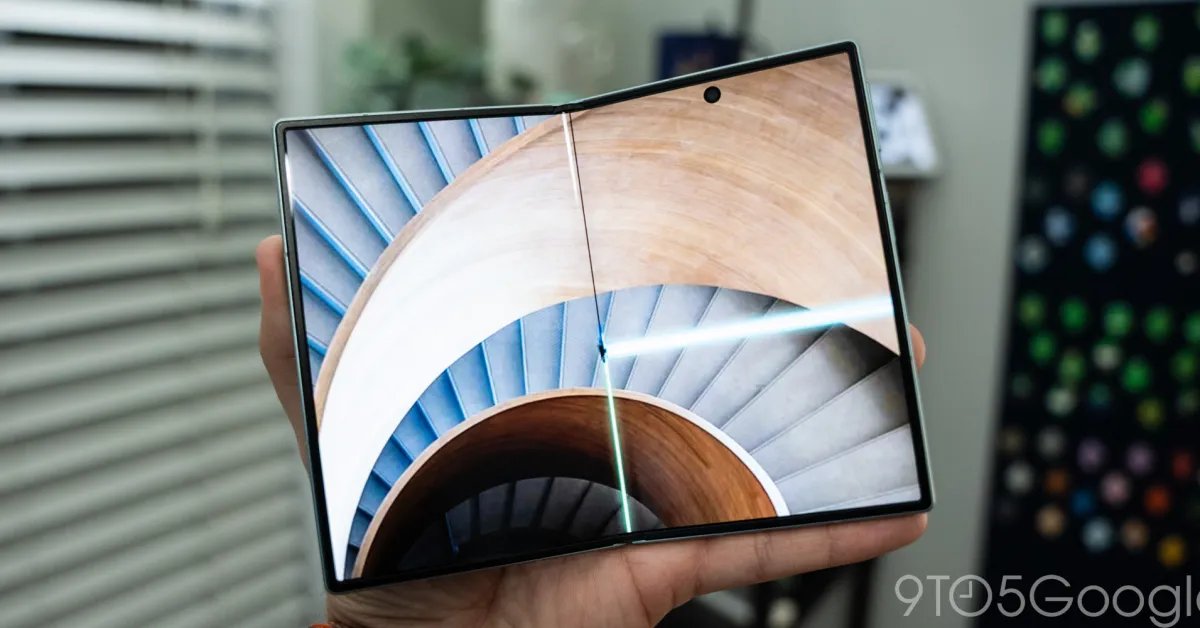









A First Week Perspective on the iPhone Duo
One week into the commercial availability of the iPhone Duo, early adopters and power users are moving past the initial setup phase to evaluate how Apple’s first foldable device integrates into daily workflows. The transition from a traditional slab-style smartphone to a dual-screen foldable architecture represents a departure from the established form factors that have defined the market for nearly two decades. While the novelty of the hardware is undeniable, the long-term utility of the device depends on how the software ecosystem adapts to the unique dual-display layout.
Initial feedback highlights a hardware profile that succeeds in providing portability while expanding real estate on demand. The device operates through a sophisticated hinge mechanism that allows for a seamless transition between the compact outer screen and the expansive inner display. For those who frequently switch between rapid communication tasks and media-intensive consumption, the device functions as a hybrid tool. The outer screen serves as a dedicated notification and quick-reply hub, reducing the necessity to open the device for every interaction, while the unfolded state provides the screen area required for sophisticated multitasking and document management.
Navigating Display Integrity and Technical Standards
A primary point of discussion during this first week has been the emergence of reports concerning display defects. Some users have documented a distinct white line appearing across the inner display shortly after unboxing. Apple has acknowledged these reports, characterizing them as isolated incidents affecting a limited number of units rather than a systemic manufacturing flaw. The technical consensus suggests that these issues typically manifest within the first few days of operation. If a unit has functioned without incident throughout the initial week, the probability of encountering this specific hardware failure decreases significantly.
The concern regarding display durability underscores the engineering challenges inherent in foldable technology. Maintaining screen integrity across a flexible substrate requires precise calibration of the hinge and the protective material covering the display. Prospective owners should remain confident that these incidents appear to be outliers. Furthermore, the device’s internal testing protocols indicate that it is designed to withstand a significant number of folding cycles, ensuring that the hinge mechanism remains robust under standard usage patterns.
Interface Design and Multitasking Functionality
The software experience on the iPhone Duo relies on the ability of iOS to manage two distinct viewports. The outer screen is designed for efficient, single-handed navigation. When unfolded, the interface shifts to leverage the increased width, allowing for simultaneous application usage. This is particularly effective in portrait mode, where users can keep a video feed active on the top half of the screen while navigating a separate application on the lower half.
One of the most significant adjustments for users involves adapting to the software’s current state of maturity. While core Apple applications are fully optimized for the new layout, third-party developers are still in the process of updating their suites to support the expansive canvas. Tools such as the “Wider” extension for the Safari browser demonstrate how software can mitigate the limitations of the narrower outer display, effectively expanding the content area to the edges. As the developer community continues to refine their applications, the utility of the unfolded state will likely improve, providing a more consistent and fluid experience across all software categories.
Biometric Security and Input Efficiency
The iPhone Duo introduces a shift in biometric authentication by integrating Touch ID, a return to form that many users find intuitive given the device’s geometry. When the phone is unfolded, the physical sensor is positioned for easy access, ensuring that unlocking the device remains a frictionless process. Additionally, the device supports Apple Watch-based unlocking, which mirrors the efficiency of Face ID in scenarios where physical biometrics are cumbersome.
Input efficiency is a critical aspect of the Duo experience. The small outer display is suitable for brief messages and rapid notification triage, while the larger inner display opens up the space for a full-sized virtual keyboard. This two-tier system allows users to prioritize speed when on the move and precision when stationary. While the learning curve for navigating the interface is present, the logical placement of biometric sensors and the responsiveness of the touch interface facilitate a quick transition for users migrating from legacy iPhone models.
Hardware Trade-offs and Future Outlook
Any move toward a foldable form factor involves technical compromises, and the iPhone Duo is no exception. The camera system, while capable of producing high-quality imagery, lacks the dedicated telephoto lens found in the higher-end Pro Max variants. For photography enthusiasts who rely on long-range zoom capabilities, this trade-off is the most noticeable. However, the battery life performance has proven to be competitive, reliably sustaining a full day of mixed use, effectively bridging the gap between the standard Pro and the Pro Max specifications.
The long-term impact of the iPhone Duo will be defined by how the industry evolves to meet the needs of dual-screen users. As more software gains support for the flexible aspect ratio, the device will likely transition from an experimental piece of hardware into a foundational tool for mobile productivity. Even with the absence of a telephoto lens, the user experience offered by the expansive inner display outweighs the limitations for the majority of the professional demographic. The enthusiasm surrounding the Duo suggests that Apple has successfully introduced a platform that, while still early in its lifecycle, offers a glimpse into the next iteration of mobile communication and interface design.
Disclaimer: This content is auto-generated for informational purposes only.
Source: Read Original News