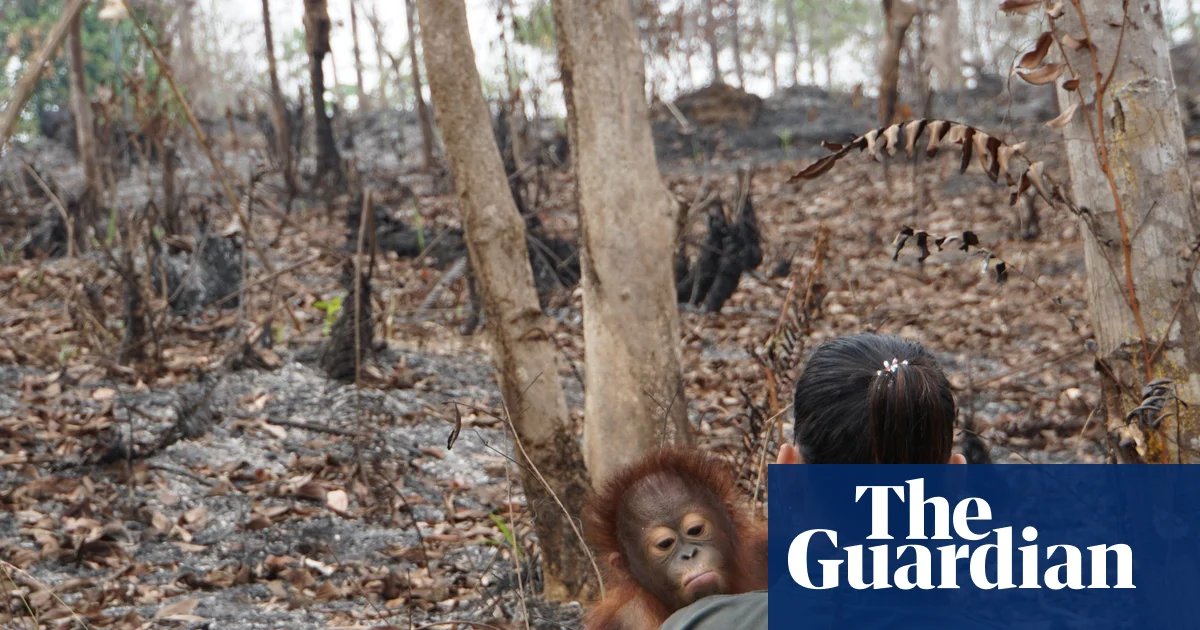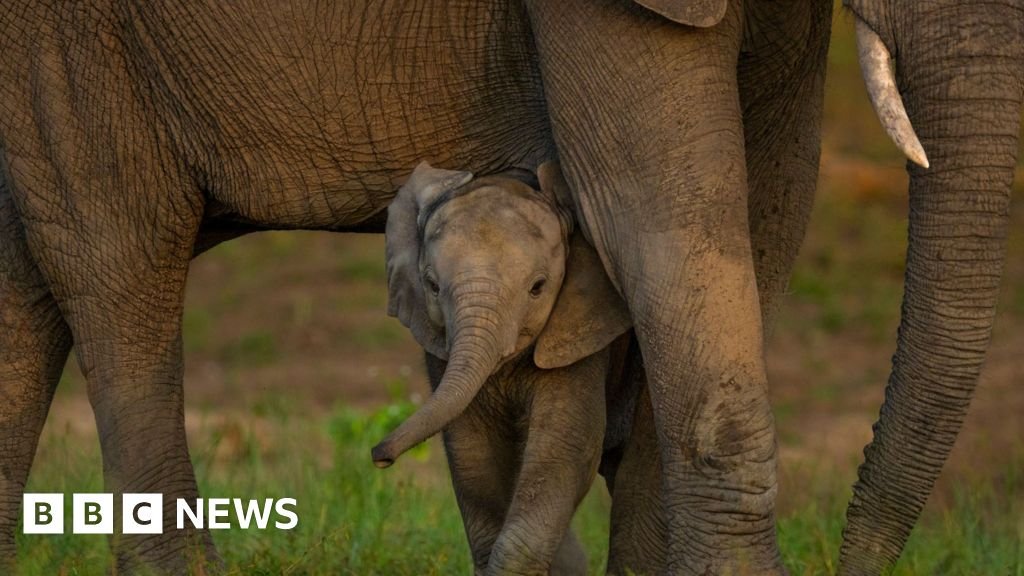









As October draws to a close, the seasonal markers of the natural world have become increasingly unreliable. In gardens across the country, plants that should be dormant—poppies, stocks, and frost-sensitive nasturtiums—remain in full bloom. This botanical misalignment is a vivid, if concerning, illustration of a climate system that is increasingly discombobulated. While these displays might appear picturesque, they serve as a stark reminder of the disruption to established ecological rhythms.
This climatic volatility is increasingly mirrored by meteorological extremes. Within the span of a single week, regions have shifted from unseasonable warmth to the arrival of named storms. Recent weather events, such as Storm Boelo, have underscored the vulnerability of infrastructure, causing localized power outages for nearly 90,000 homes. Official warnings from the government now suggest that such “unexpected” events are set to become the new baseline. Yet, as many environmental advocates point out, these events are only unexpected if one ignores the foundational climate science that has been established for decades.
This reality brings into focus the upcoming ten-year anniversary of the UN Paris Agreement, which entered into force in November 2016. A decade later, the implementation of its provisions remains, at best, inconsistent. Article 12 of the agreement explicitly mandates that parties cooperate to enhance climate change education, training, and public awareness. However, the phrasing of this mandate—specifically the inclusion of the qualifier “as appropriate”—has provided a convenient loophole for bureaucratic inertia.
In the United Kingdom, the Department for Education has introduced various initiatives, including a 2022 climate change strategy, a National Education Nature Park, and the appointment of Climate Ambassadors. Despite these frameworks, classroom reality suggests a significant gap between policy and practice. For the average educator, climate education remains largely fragmented, often relegated to the margins of geography and science curricula, with little systemic support to integrate these topics into broader learning. If the progress of climate education were to be evaluated against the standards expected of a student, it would be marked as underachieving: failing to turn in substantive work despite early promises of commitment.
Furthermore, the disconnect between government policy and climate reality poses a professional challenge for teachers. Educators are expected to present objective, science-based information to students while navigating a curriculum that often avoids addressing the underlying causes of the climate crisis. This tension is particularly evident during events like “Green Careers Week,” where educators are asked to encourage students to prepare for a “green future” without a clear, long-term national strategy to ensure the stability of the environmental systems upon which those careers depend.
As the public is increasingly encouraged by the government to stockpile essentials in preparation for climate-induced emergencies, there remains a notable absence of a cohesive, state-led public information campaign that explains the science of these changes. While the government has demonstrated an ability to communicate effectively during crises—such as the COVID-19 pandemic—there has been no equivalent, prime-time effort to educate the public on the climate and nature crisis.
As a generation of students moves toward adulthood in 2040, the responsibility to provide them with a comprehensive understanding of the changing planet grows more urgent. Teaching in the Anthropocene requires more than just sporadic curriculum adjustments; it demands transparency, rigorous education, and a tangible commitment to the agreements made a decade ago. Without a fundamental shift from policy rhetoric to meaningful “follow-through,” the gap between what is taught in classrooms and the realities of the environment will only continue to widen.
Disclaimer: This content is auto-generated for informational purposes only.
Source: Read Original News