








Opposition Stages Mock Impeachment of Election Commissioner Amid Voter Roll Controversy
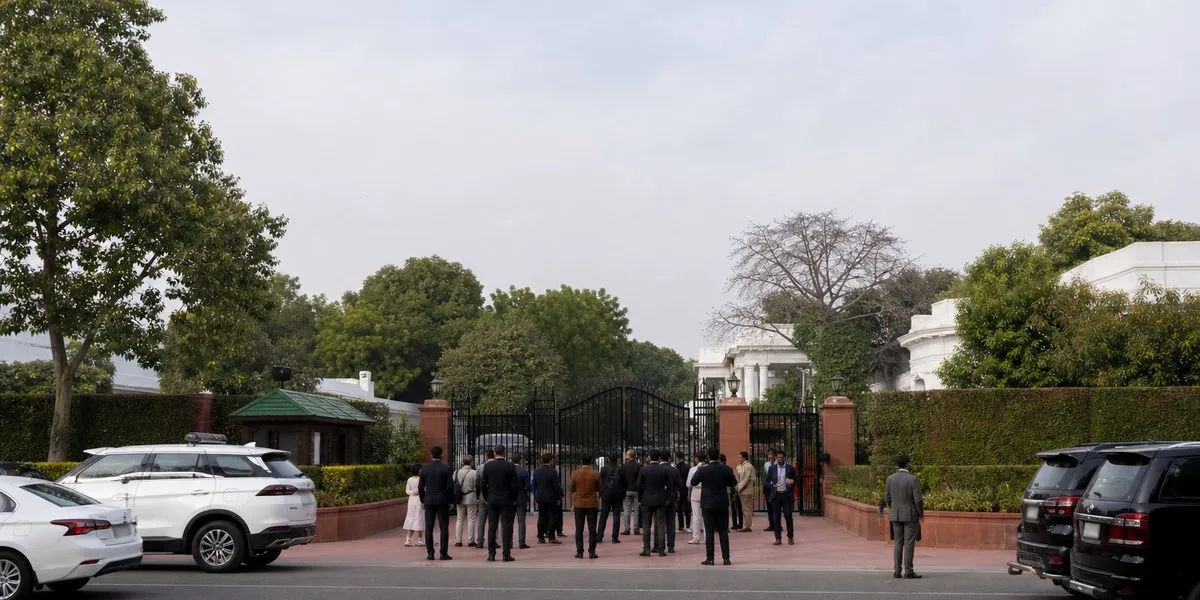
NEW DELHI – In a dramatic display of political theater, India’s primary opposition parties gathered in the capital on October 31 to conduct a symbolic impeachment procedure against Chief Election Commissioner (CEC) Gyanesh Kumar. The unconventional protest, held at the residence of Indian National Congress President Mallikarjun Kharge, served as a potent signal of the growing distrust between the opposition bloc and the country’s top poll body.
While the session featured the trappings of a formal parliamentary proceeding, participants acknowledged that the event held no constitutional or legal authority. It was designed primarily as a visceral protest against the ongoing nationwide revision of voter lists, which the opposition alleges is a calculated effort to skew electoral outcomes in favor of Prime Minister Narendra Modi’s Bharatiya Janata Party (BJP).
A Challenge to Constitutional Integrity
The decision to simulate an impeachment process underscores the depth of the opposition’s frustration. Congress leader Rahul Gandhi characterized the move as a desperate reaction, stating that the opposition felt compelled to take this extraordinary step because all other avenues for institutional redress appeared to be closed.
Mallikarjun Kharge defended the symbolic act by emphasizing the sanctity of the Election Commission of India (ECI). He argued that the initiative was essential to guard the dignity of constitutional institutions. “Our goal is to ensure the Election Commission acts with absolute impartiality and adheres strictly to the constitutional principles upon which our democracy is built,” Kharge remarked during the gathering.
The Battle Over Voter Rolls
At the heart of the standoff is the widespread revision of electoral rolls carried out over the past month. For the Election Commission, the exercise is a routine administrative necessity intended to purge inaccuracies, such as duplicate entries or the names of deceased voters, to ensure the integrity of the electoral process.
Conversely, opposition leaders contend that the methodology used during this revision is being manipulated to disenfranchise specific voter segments and artificially boost the BJP’s electoral prospects. These allegations have spilled out of the halls of power and into the streets, triggering demonstrations and heightened political anxiety across various states. Both the Election Commission and the ruling BJP have categorically denied these charges, dismissing them as politically motivated disinformation aimed at undermining public faith in India’s democratic machinery.
Parliamentary Deadlock
The tension has further paralyzed parliamentary discourse. Under Indian constitutional law, the removal of a Chief Election Commissioner is a rigorous process, requiring a motion to be passed by a special majority in Parliament—a hurdle that makes the opposition’s symbolic impeachment purely performative.
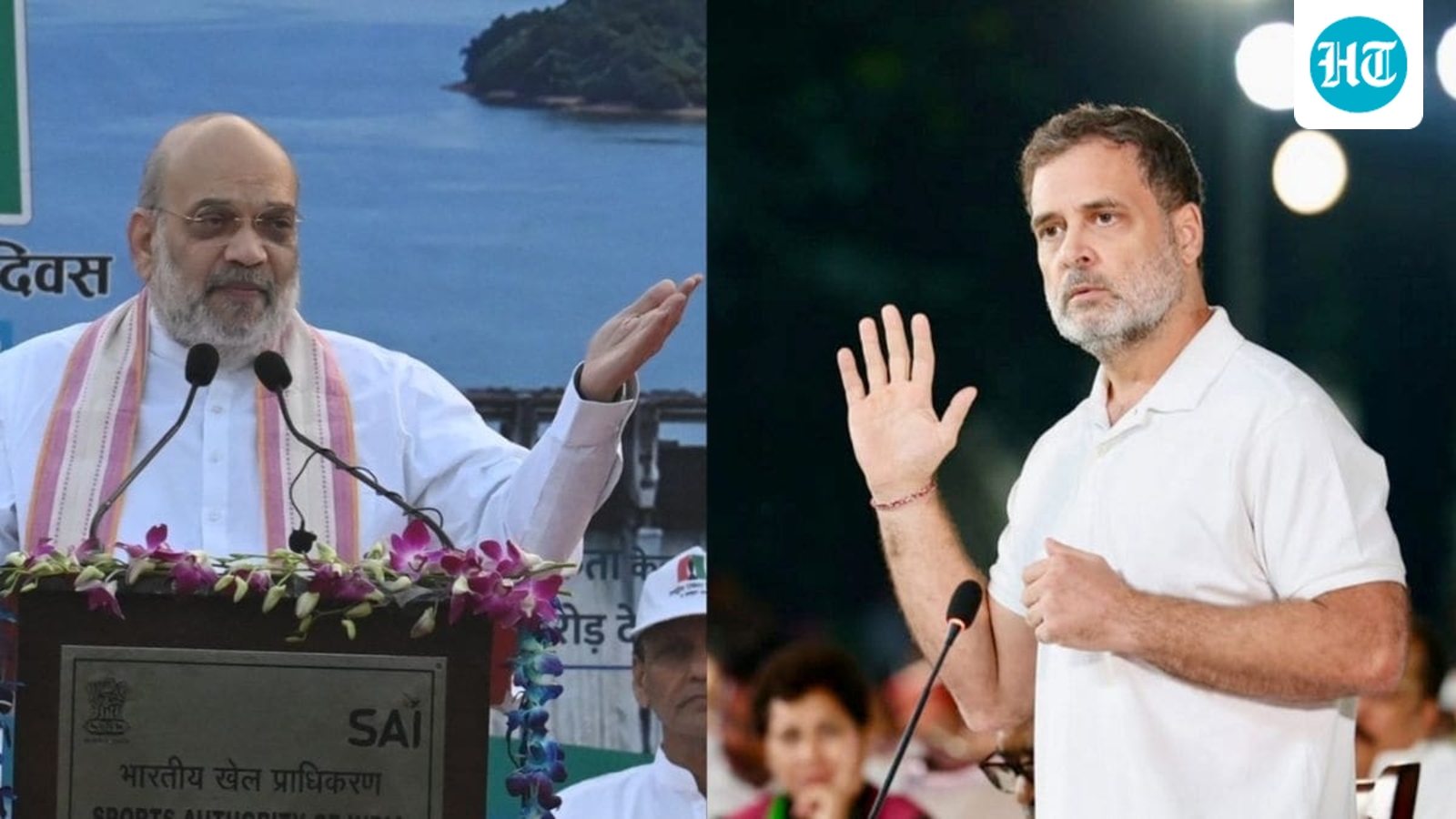
Union Home Minister Amit Shah responded to the protest by accusing the opposition of political hypocrisy. Shah asserted that the government is fully prepared to convene a special session of Parliament to discuss the grievances surrounding the voter lists. However, he hit back at the critics, claiming that the opposition parties are fundamentally unwilling to engage in a formal, structured debate on the floor of the House, preferring instead to resort to symbolic gestures that prioritize headlines over substantive policy discussion.
As the country approaches future electoral cycles, the standoff signals a volatile climate, with the ECI finding itself caught in an increasingly bitter crossfire between the government and its rivals.
Disclaimer: This content is auto-generated for informational purposes only.
Source: Read Original News