









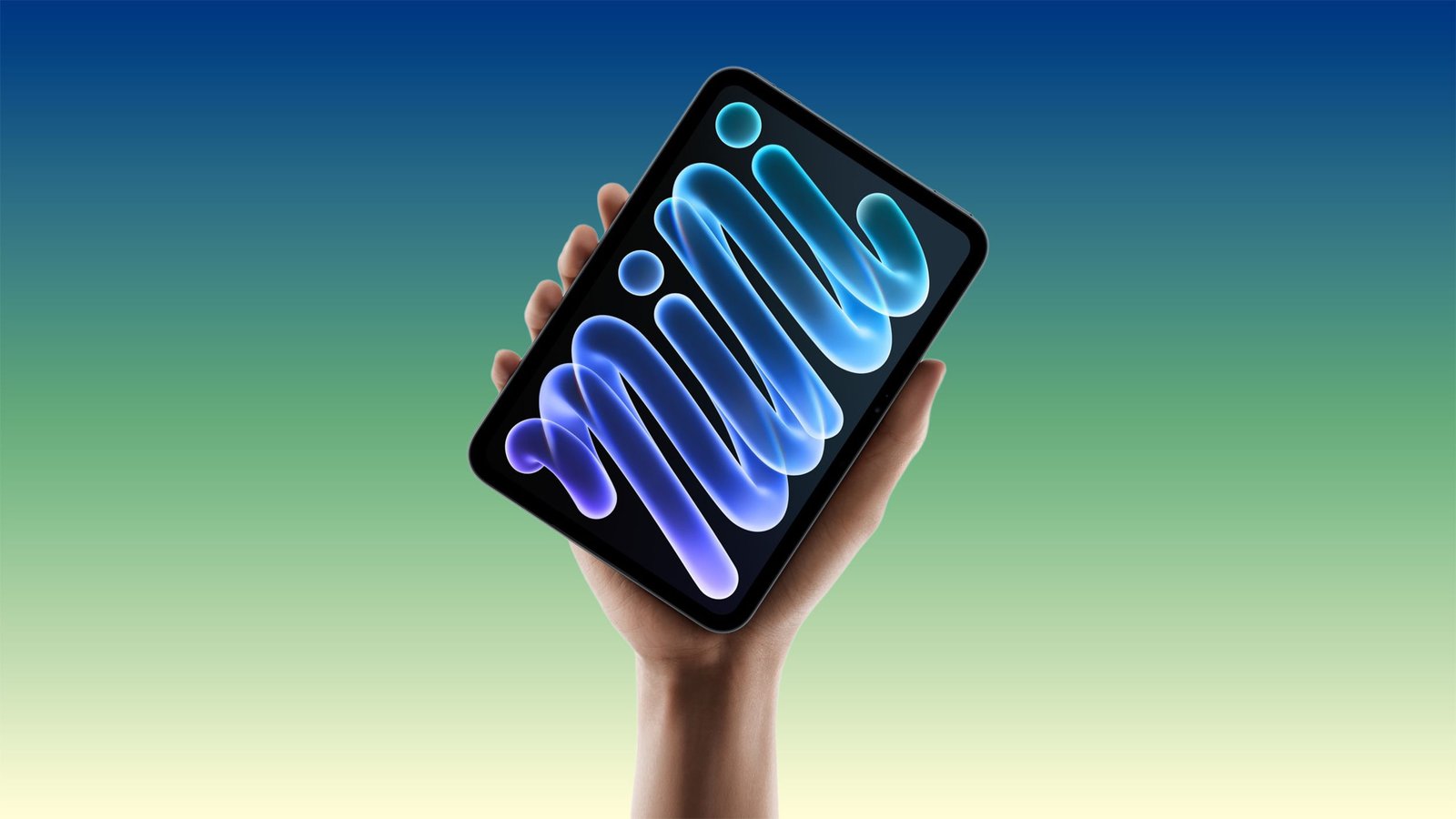
Understanding the Shift in iPad Mini Power Architecture
The recent introduction of the iPad mini 8 brings a significant shift in internal engineering. Official regulatory documentation from the European Union has confirmed that the latest iteration of this compact tablet utilizes a 4,900 mAh battery. This figure represents a slight reduction compared to the 5,034 mAh capacity found in its predecessor, the iPad mini 7. In terms of energy density, the measurement shifts from 19.3 watt-hours (Wh) to 18.9 Wh.
While a reduction in battery capacity often signals concerns regarding device longevity, Apple has maintained its official battery life projections, suggesting that the device retains the same endurance as previous models. This technical equilibrium is achieved through a combination of enhanced silicon efficiency and display technology advancements. The iPad mini 8 relies on the A20 Pro chip, which leverages a more advanced manufacturing process to decrease power consumption during high-performance tasks, effectively compensating for the smaller physical power cell.
The Role of OLED Display Efficiency
The transition to an 8.5-inch OLED display is perhaps the most influential factor in maintaining battery life despite the reduced capacity. Unlike traditional Liquid Crystal Displays (LCDs) that require a constant backlight to illuminate the panel, OLED technology operates on self-emissive pixels. When a pixel renders the color black, it is powered off completely, drawing zero current.
This hardware-level efficiency is particularly advantageous for users who rely on dark-mode interfaces or consume media with high contrast ratios. By removing the need for a backlight layer, the display system consumes significantly less energy when rendering dark content. This architectural improvement allows Apple to slim down the internal frame—contributing to the 15% reduction in device weight and thickness—without forcing users to sacrifice runtime during standard daily operation.
Integration of the A20 Pro and N1 Chips
The internal performance of the iPad mini 8 is driven by the A20 Pro chip, a core component designed with a focus on both raw processing power and power-per-watt efficiency. By refining the transistor architecture, the A20 Pro ensures that the device can handle intensive creative applications or gaming sessions while generating less heat and drawing less current than the previous generation.
Furthermore, the integration of the N1 chip introduces advanced connectivity standards, specifically Wi-Fi 7 and Bluetooth 6 support. Wi-Fi 7 is designed to be more efficient in managing data throughput and connection maintenance compared to older standards. By reducing the time the device stays in a high-power state to transmit or receive data, the N1 chip contributes to the overall power management strategy. These combined silicon optimizations demonstrate a trend toward prioritizing intelligent energy distribution rather than relying solely on increasing physical battery volume.
Design Advancements and Acoustic Engineering
The physical form factor of the iPad mini 8 has been streamlined to improve portability, resulting in a device that is 15% lighter and thinner than the previous version. To achieve this, Apple has implemented the new Acoustic Display system. By replacing traditional speaker cutouts with this integrated solution, the chassis integrity is improved, allowing for the inclusion of IP67-rated water and dust resistance.
This design philosophy reflects a modern approach to mobile hardware: integrating functional components directly into the structure of the display or the internal frame. The Acoustic Display technology, in particular, illustrates how audio hardware can be re-engineered to occupy less space while maintaining, or in some cases improving, sonic performance. These adjustments reflect a holistic engineering approach where every component is evaluated for its physical footprint and its role in the system’s total energy profile.
Broader Implications for Mobile Productivity
The iPad mini 8, positioned at a starting price point of $699, serves as a bridge between ultra-portable mobile devices and professional-grade tablets. The inclusion of an OLED screen and the A20 Pro chip suggests that Apple is targeting a demographic that demands high visual fidelity and processing power in a footprint that can be held with one hand.
The successful implementation of these power-saving technologies serves as a blueprint for future mobile hardware. By moving away from larger, heavier batteries and toward systems that operate with greater efficiency, manufacturers can continue to drive down the weight and thickness of devices without compromising the experience. As the iPad mini 8 prepares for its November 6 launch, it stands as a case study in modern hardware balancing: the strategic use of display and silicon efficiency to counteract the constraints of a smaller physical power source. Users can expect a device that is more refined in its handling and more sophisticated in its power management than any previous entry in the product line.
Disclaimer: This content is auto-generated for informational purposes only.
Source: Read Original News