





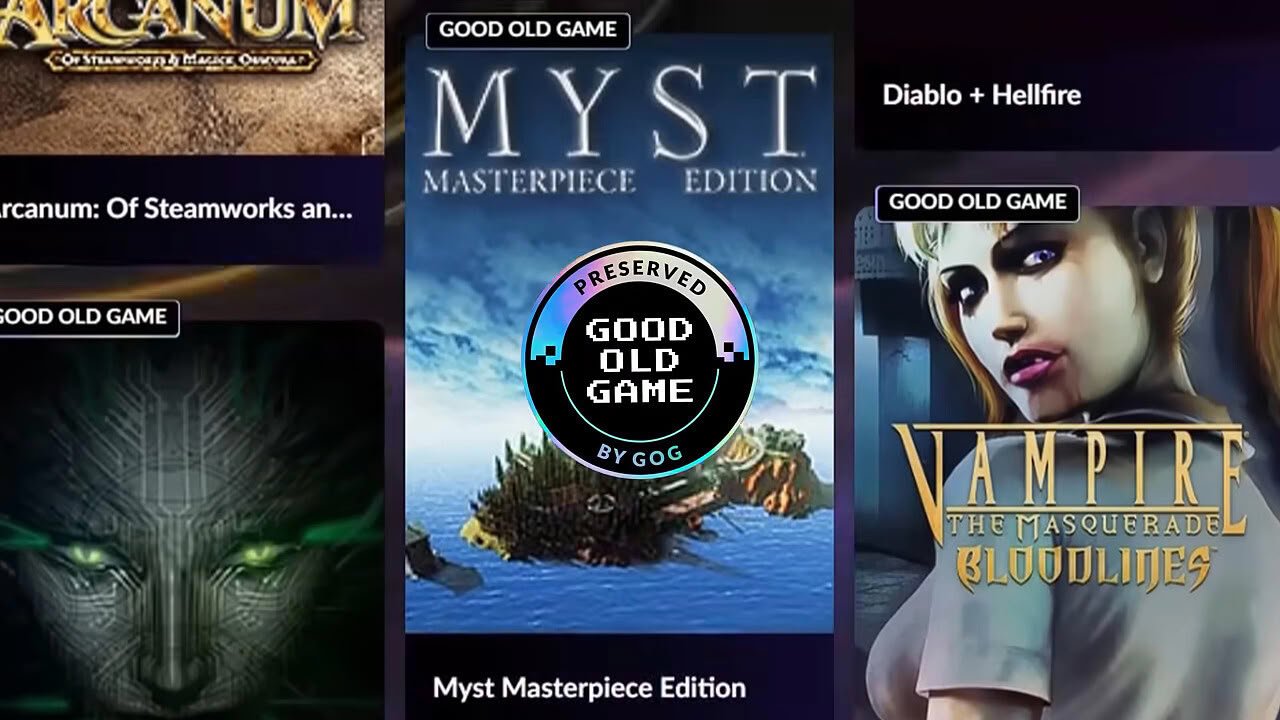
The Evolution of Game Preservation
The concept of game preservation has shifted from a niche interest among archivists to a central topic of discourse within the gaming industry. For years, digital storefronts have moved toward a service-based model where consumers technically license games rather than owning them. GOG, a storefront long defined by its commitment to DRM-free distribution and offline installers, has been a notable outlier. By ensuring that users can download complete, standalone installers that function without a connection to a central server, GOG has cemented its reputation as a guardian of software longevity.
The company’s dedication has manifested in the GOG Preservation Program, which focuses on retrofitting older titles to function reliably on modern Windows operating systems and hardware configurations. This involves intensive testing, patching, and technical configuration to ensure that software originally developed for architecture from the 1990s and early 2000s remains accessible today. The program has expanded significantly, currently supporting hundreds of titles, including classics like the original Hitman series. This commitment ensures that cultural software history is not lost to the rapid obsolescence of digital platforms.
Bridging Digital Stores and Physical Media
While digital distribution offers undeniable convenience and speed, it lacks the tactile permanence associated with physical media. Recent industry trends suggest a departure from physical discs, with major console manufacturers significantly scaling back their physical supply chains. GOG, however, is exploring the possibility of reversing this trend for the PC market. In a recent interview, GOG’s senior business development and partnerships manager, Marcin Paczynski, articulated a long-term goal for the company: enabling users to order physical copies of games directly through their digital library accounts.
This vision involves a seamless integration where a customer, having purchased a digital title, could trigger an order for a high-quality physical version of the product to be shipped to their home. This would move beyond simple disc manufacturing, likely incorporating high-quality packaging, manuals, and perhaps even digital extras printed as physical media. The intent is to provide collectors with a tangible artifact that serves as a permanent, non-expiring record of their software library.
Navigating Logistics and Industry Hurdles
The transition from purely digital fulfillment to physical distribution introduces substantial complexity. Paczynski acknowledges that the barrier to entry is not merely desire, but the formidable requirements of global supply chain management. Establishing a system to store, package, and distribute physical goods requires a shift in infrastructure that digital-first storefronts are not typically equipped to handle.
Beyond logistics, the legal landscape surrounding software distribution presents a significant hurdle. Modern publishing agreements are generally structured for digital rights management, and obtaining the necessary clearances to produce physical units for titles that have been out of print for decades can be legally arduous. Each game may involve multiple stakeholders, rights holders, and original publishers who must grant approval for physical reproduction. Consequently, the project remains in the conceptual and exploratory phase, as the company evaluates whether the demand justifies the substantial operational and legal investment required to maintain a physical distribution network.
The Economic Context of Physical Media
The industry’s current trend toward a disc-less future is driven largely by financial efficiency. Reports indicate that game publishers can save significant overhead by avoiding the costs associated with disc pressing, packaging, shipping, and the management of physical inventory. These savings, estimated at approximately ten dollars per unit, have convinced major companies to prioritize digital-only ecosystems.
While the cost-saving argument is compelling from a corporate financial perspective, it stands in direct opposition to the consumer desire for ownership and archival stability. GOG’s potential move toward physical media acts as a counterweight to this trend. If the company can devise a model that makes physical production cost-effective—perhaps through print-on-demand services or limited-run production batches—it may offer a path forward for games that otherwise face the risk of being removed from digital shelves due to licensing expirations.
Preservation Through Physical Manifestation
GOG has already begun to address the void left by physical media through initiatives such as the partnership with the Big Box Collection. This program provides users with 3D scans of original physical game boxes and high-resolution, printable covers for digital titles. By providing these assets, the company enables users to recreate the aesthetic experience of physical collecting within their own homes, bridging the gap between digital convenience and physical nostalgia.
These features serve as more than just visual flair. They preserve the original box art and documentation that were often integral parts of the initial software experience. When a game includes a complex manual or specialized in-box maps, digital users typically miss out on this context. Providing high-quality digital assets for print empowers users to curate their own physical collections, offering a layer of depth that modern storefronts usually ignore.
The Long-Term Impact on Software Longevity
The ambition to bring physical media back to PC gaming is ultimately about more than just nostalgia. It is about establishing a definitive record of software that is resistant to the whims of corporate server closures or licensing shifts. If a user possesses a physical installer alongside a DRM-free digital backup, the lifespan of that software is extended indefinitely, independent of any third-party service provider.
As the industry continues to debate the merits of subscription services versus ownership, GOG’s dual approach—maintaining offline installers while exploring physical distribution—positions the company as a leader in digital rights. Whether or not physical shipments become a standard offering, the ongoing discussion underscores a fundamental truth about software: technology is ephemeral, but the efforts to preserve it provide the only safeguard against the eventual loss of our digital history. Through these initiatives, the company seeks to ensure that the games of today remain playable for the generations of tomorrow.
Disclaimer: This content is auto-generated for informational purposes only.
Source: Read Original News