








Tensions between London and Tehran have reached a dangerous new peak after Iran officially designated the Royal Air Force (RAF) and the Royal Navy as “terrorist organisations.” In a further escalation, the Iranian Foreign Ministry has classified the UK’s secret intelligence service, MI6, as a “hostile group,” vowing that the British government will “bear responsibility for the consequences” of its actions.
The move marks a dramatic retaliatory strike following the British government’s decision in July to formally designate Iran’s Islamic Revolutionary Guard Corps (IRGC) as a threat to national security under the State Threats Act 2026.
Tehran’s Foreign Ministry framed the designation as a necessary measure of reciprocity, citing what it described as the UK’s “hostile actions” over the past year. Specifically, Iranian officials accused Britain of active involvement in the ongoing conflict in the Middle East, highlighting the use of British military facilities—such as RAF Fairford in Gloucestershire—as staging grounds for US-led defensive strikes against Iranian military targets.
“The British government shall bear responsibility for their consequences,” the Iranian statement read, explicitly condemning the provision of logistical bases that it claims are being used in a “US-Israeli imposed war.”
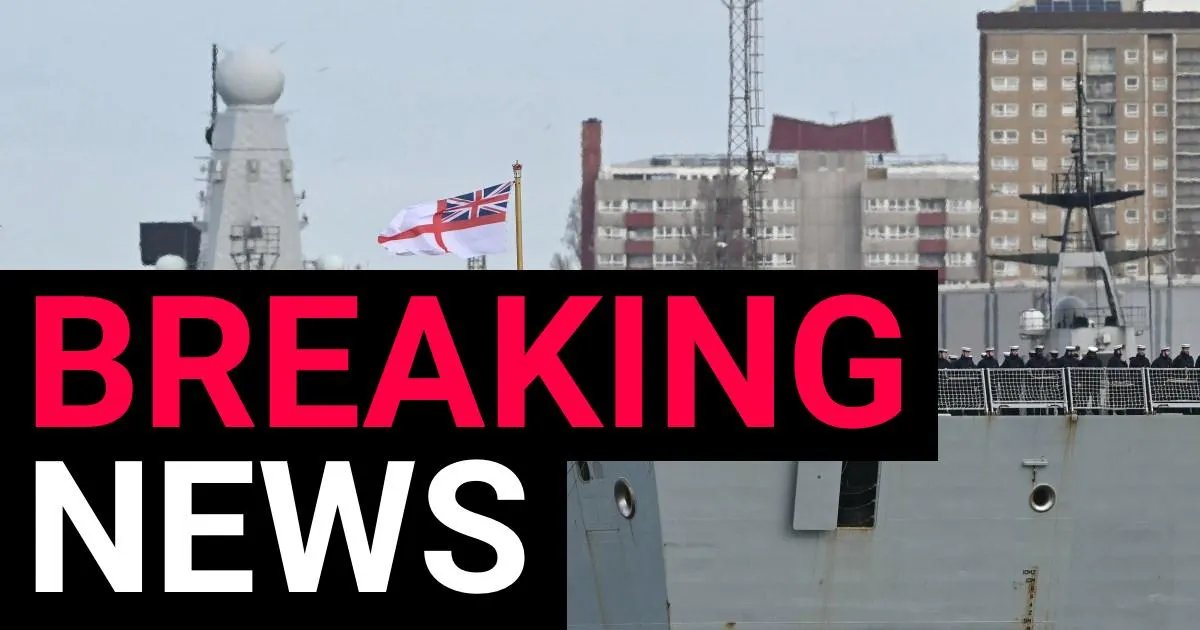
The diplomatic rupture follows months of direct military friction. Since the outbreak of hostilities in the region earlier this year, the RAF has been heavily engaged in defensive operations, successfully intercepting and destroying over 100 Iranian-launched unmanned aerial vehicles targeting coalition assets. Furthermore, the Royal Navy, including the destroyer HMS Dragon, has played a pivotal role in international efforts to protect shipping lanes in the Strait of Hormuz. In turn, Iranian forces have reportedly targeted British military bases in Cyprus and Diego Garcia with missile strikes.
The designation has triggered urgent concerns among security experts. Roger Macmillan, a counter-terrorism specialist, warned that branding British forces as terrorists is more than just rhetorical posturing; it serves to “legitimise and encourage” proxy attacks against UK personnel and military infrastructure worldwide.
“This can induce a state of fear in people, because of what they think may or may not happen,” Macmillan noted. “Terror is not just about the acts, it’s about the fear.”
The British government, which has increasingly sought to curb Iranian influence, previously tightened restrictions on the IRGC due to intelligence linking the group to death threats and intimidation tactics carried out on UK soil. With this latest development, the prospect of direct confrontation between British forces and Iranian proxies appears more likely than ever, leaving the UK’s defence and intelligence apparatus on high alert.
Disclaimer: This content is auto-generated for informational purposes only.
Source: Read Original News