









Knowing the Signs Can Save a Life
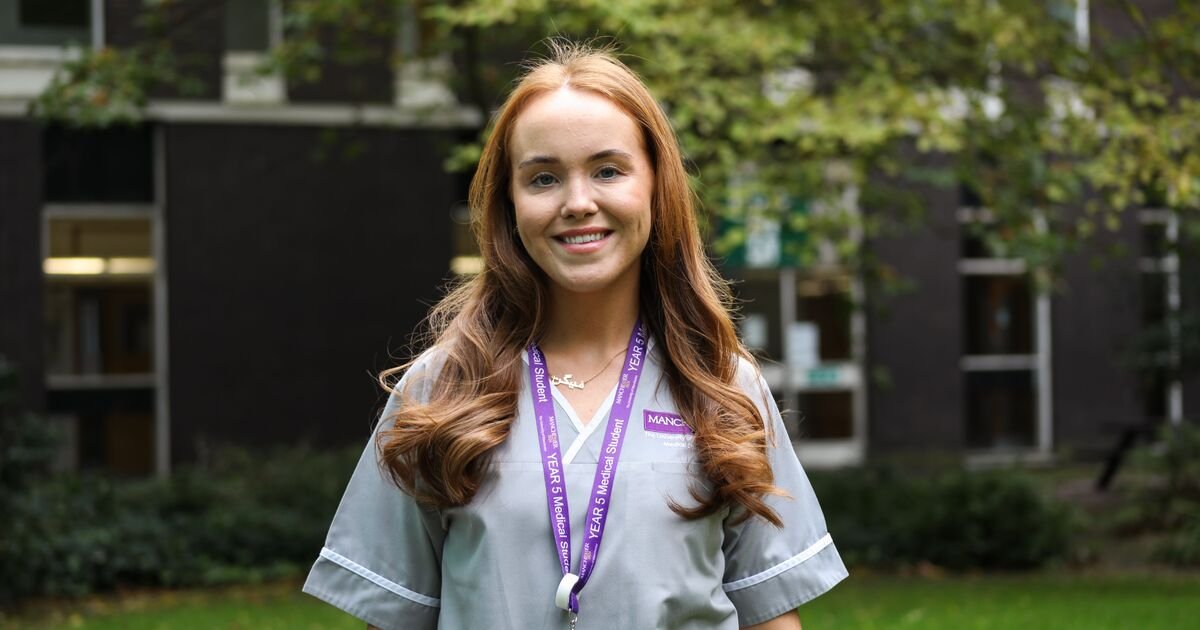
We often think of fitness events as celebrations of personal endurance and physical health. We cheer as runners cross the finish line, pushing their bodies to the limit. However, as the recent story from the Manchester half-marathon proves, health emergencies can occur in the most unexpected places. Medical student Megan McGillin’s quick response to a runner in cardiac arrest is a powerful reminder that basic life-saving skills are not just for doctors; they are for everyone.
The first step in being a helpful bystander is understanding the difference between common heart emergencies. While we use the terms interchangeably, they are distinct. A heart attack is a plumbing issue; it occurs when blood flow to the heart is blocked. The person is usually conscious, perhaps clutching their chest or feeling short of breath. In contrast, cardiac arrest is an electrical failure. The heart stops pumping blood abruptly. The person will lose consciousness instantly and stop breathing normally. Recognizing this silent, sudden collapse is the key to jumping into action before professional help arrives.
Mastering the Basics of CPR
If you witness someone collapse and become unresponsive, your presence is their best chance at survival. You do not need to be a medical student to assist; you simply need the confidence to act. The most important thing is to call for help immediately and begin chest compressions. Think of your hands as a mechanical pump that keeps oxygenated blood flowing to the brain while the heart is dormant.
Many people fear they will do it wrong, but the golden rule is simple: push hard and push fast. Position the heel of your hand in the center of the chest and use the other hand to lock your fingers. Aim for the beat of a fast song to keep your rhythm steady. By keeping the blood moving, you buy the person time until a defibrillator can be sourced. Modern defibrillators are designed for public use and often provide voice prompts that guide you through every step. Never worry about being perfect; doing something is always better than doing nothing.
Staying Calm Under Pressure
Megan McGillin described her experience as a moment where her training simply kicked in. While most of us aren’t training for medical school, we can cultivate a sense of composure. Panic is contagious, but so is calm. If you find yourself in a crisis, take a single deep breath to steady your nerves. Focus on the singular task in front of you rather than the gravity of the whole situation.
Preparation also plays a huge role in how we handle stress. You might consider attending a weekend first aid course or watching a brief, reputable video on how to use an automated external defibrillator. Knowing where these devices are located in your local gym, workplace, or shopping center turns you into a proactive member of your community. When you know where the tools are, your mind spends less time guessing and more time executing the necessary steps.
The Importance of Looking Out for One Another
We live in a world where we often keep our eyes fixed on our own goals. Whether it is chasing a personal best in a race or just navigating a busy morning commute, it is easy to become detached from the people around us. Yet, stories like this highlight the beauty of human connection. The runner who survived is currently recovering, and he has the opportunity to walk through life with his loved ones because a stranger decided to stop and help.
Taking care of our community means paying attention. It means noticing when a friend looks pale, sensing when someone in the grocery store seems disoriented, or simply being aware of your surroundings in crowded public spaces. We are all responsible for one another’s well-being. By staying alert and being willing to step up, we foster a safer environment for everyone to live in.
A Legacy of Kindness
Megan’s story is not just about one day at a finish line; it is about a dedication to service. Whether she is advocating for organ donation or performing life-saving measures, she embodies the spirit of using one’s talents for the benefit of others. We can all bring a bit of that spirit into our daily routines.
Perhaps it starts with learning how to perform CPR, or maybe it begins with the simple act of showing up when someone else needs a hand. When we prioritize our ability to assist others, we add a layer of resilience to our friendships and our neighborhoods. Life is unpredictable, but when we are armed with knowledge and the courage to act, we turn those moments of uncertainty into stories of hope and survival. Remember, you do not need to be a hero to make a life-changing difference—you just need to be prepared to show up.
Disclaimer: This content is auto-generated for informational purposes only.
Source: Read Original News