







Tamil Nadu State Flag Proposal Sparks Political Firestorm
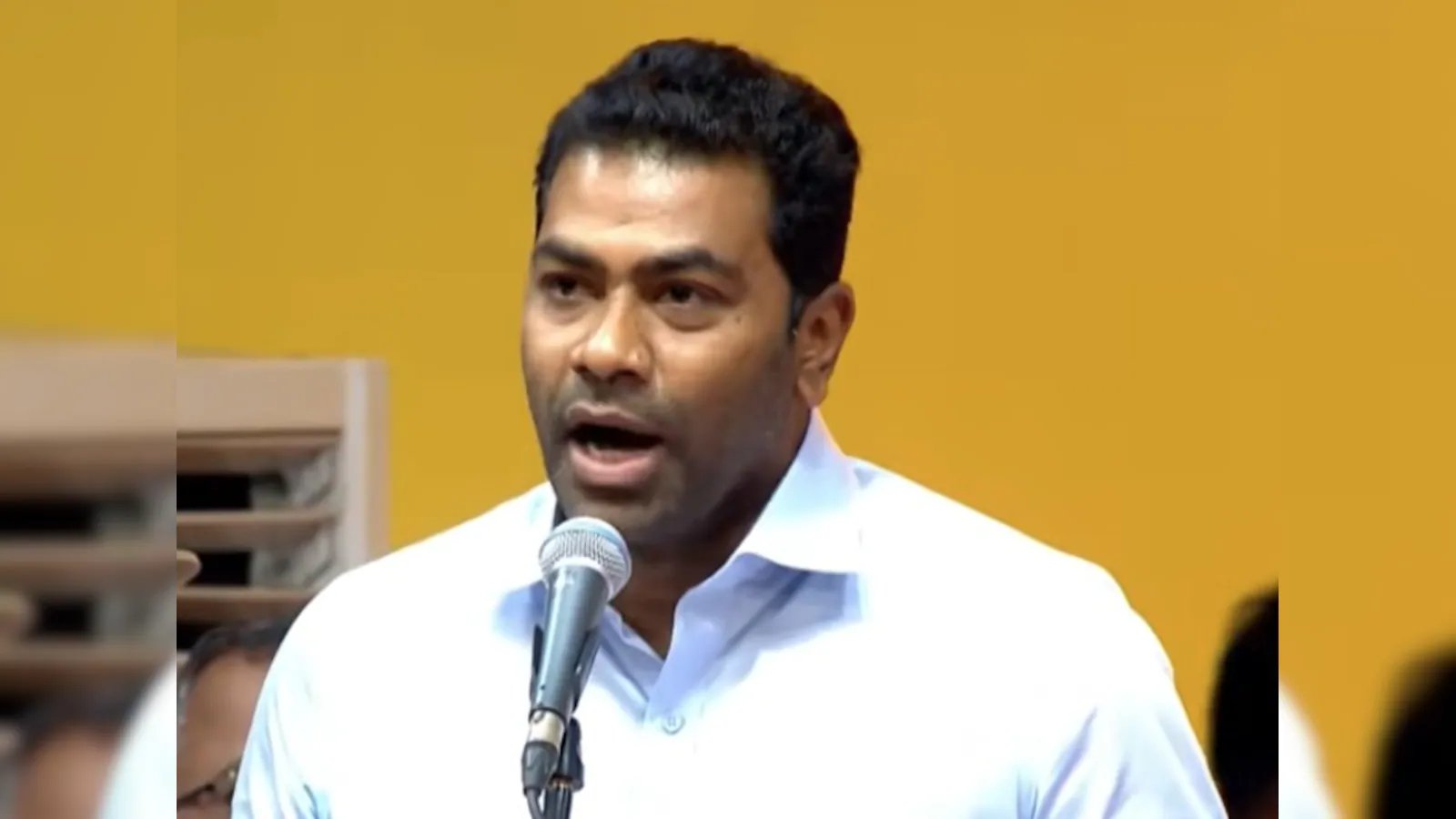
Chennai: A recent announcement by Tamil Nadu state minister Aadhav Arjuna regarding the introduction of an official state flag has ignited a heated political debate across the state. Arjuna, defending the proposal, argued that since several other states in India possess their own flags, Tamil Nadu should follow suit to establish its unique administrative identity.
“Many states have a flag for their state. Tamil Nadu doesn’t have one. A state flag for Tamil Nadu will be introduced,” Arjuna stated during a recent public address.
BJP Calls Move ‘Secessionist’
The proposal was met with immediate and sharp criticism from the Bharatiya Janata Party (BJP). Critics argue that the move undermines national unity and could promote separatist sentiments. Vinoj P Selvam, a prominent figure in the state BJP, took to social media to voice strong opposition, characterizing the idea as an attempt to manufacture a divide between Tamil and Indian identities.
In a pointed critique, Selvam emphasized that citizens can and should take pride in both their regional heritage and their national identity. “This rhetoric risks nurturing a separatist mindset, teaching people to see their Tamil and Indian identities as competing loyalties,” Selvam posted on X.
He further challenged the motive behind the proposal, questioning the government’s priorities. “Designing a flag is easy. Delivering a future takes work,” he added, urging the state administration to focus on pressing issues such as job creation for youth, educational outcomes for Tamil-medium students, and entrepreneurship opportunities.
The Language Debate
Beyond the controversy of a state flag, Minister Aadhav Arjuna also reignited the conversation regarding language policy in the state. He reiterated his support for a two-language policy, emphasizing the critical importance of prioritizing Tamil as the primary medium of instruction in schools.
Arjuna described English as merely a “business language,” contrasting it with the status of native languages in nations like Japan, China, and France. He argued that Tamil should not be an elective subject, but rather a mandatory requirement for all students.
A Call for Consistency
The proposal to mandate Tamil in various sectors has drawn scrutiny from the opposition regarding its application. BJP representatives have questioned the consistency of the state’s language advocacy, particularly concerning religious institutions.
Selvam challenged the minister, asking if the mandate for compulsory Tamil usage would extend beyond temple administration to include all religious institutions, including churches and mosques. The BJP has framed this as a test of the government’s secular policy, suggesting that the focus should remain on upliftment and governance rather than symbolic gestures that might fragment the social fabric.
As the political discourse continues to intensify, the question remains whether the government will prioritize these symbolic identity markers or shift its focus toward the socio-economic targets set by its critics. For now, the call for a “Tamil flag” has placed the state administration on the defensive, drawing a clear battle line between regional identity assertions and the nationalistic stance held by the BJP.
Disclaimer: This content is auto-generated for informational purposes only.
Source: Read Original News