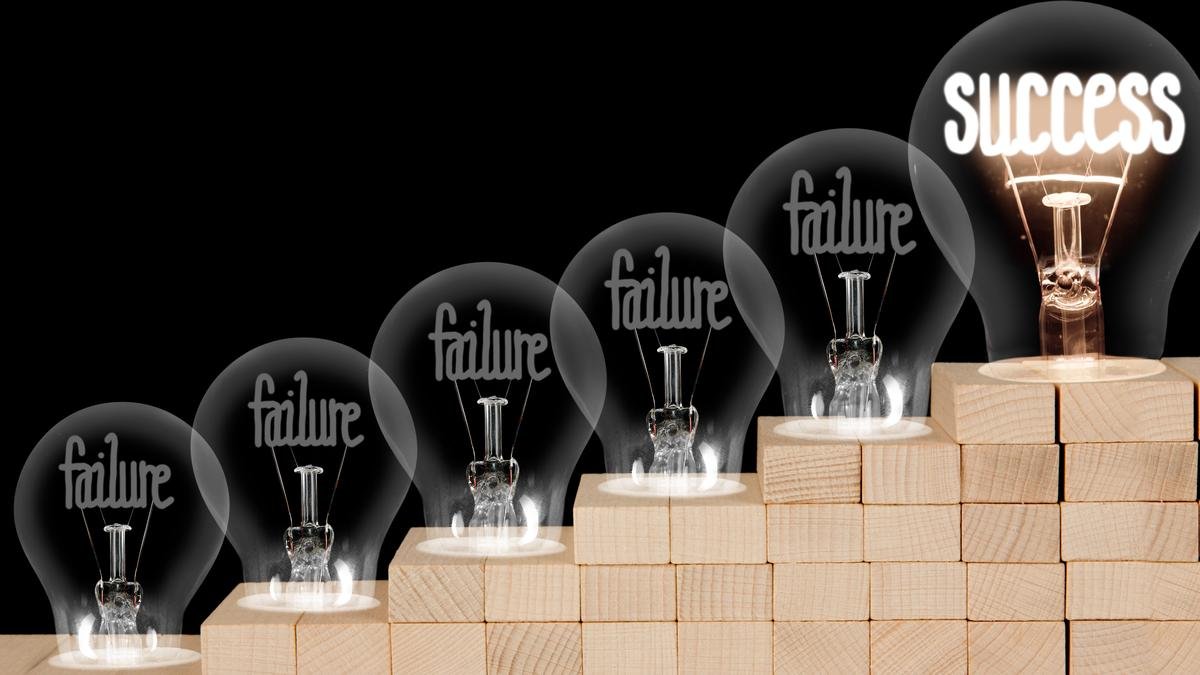










The landscape of Indian education is undergoing a seismic shift, characterized by a move away from rote learning toward competency-based assessments and critical thinking. As highlighted by education analyst Abhilasha Suman in The Hindu, the focus is no longer merely on the accumulation of degrees, but on the qualitative transformation of the learning experience. This evolution is driven by a combination of pedagogical innovation, institutional accountability, and a structural push from national policy.
The Pivot from Rote to Competency
For decades, the Indian examination system was defined by high-stakes summative assessments—standardized tests that prioritized memory over application. However, recent policy directives, aligned with the National Education Policy (NEP) 2020, have begun to dismantle this framework. The emphasis is shifting toward formative assessments, where student progress is tracked continuously rather than being relegated to a single end-of-year examination.
As Suman notes, this transition is essential for fostering a “learning-to-learn” culture. By introducing case-based questions and real-world problem-solving exercises in board examinations, policymakers aim to discourage coaching-center dependence. The objective is to ensure that students can analyze, synthesize, and evaluate information, rather than simply reproducing textbook chapters. This shift is not merely cosmetic; it represents a fundamental change in how institutions define “success.”
Institutional Autonomy and Quality Assurance
The role of higher education institutions (HEIs) is also being redefined. Historically, many colleges functioned as mere extensions of affiliating universities, with little control over curriculum design or pedagogical methodology. Today, the push for institutional autonomy is gaining momentum. Autonomous colleges now have the freedom to design industry-relevant curricula, integrate interdisciplinary electives, and adopt more flexible evaluation techniques.
However, autonomy brings with it the burden of accountability. Suman highlights that as institutions gain more control over their academic affairs, the mechanisms for quality assurance—such as accreditation by bodies like the NAAC and NIRF rankings—must become more rigorous and transparent. Institutions are increasingly being evaluated not just on their infrastructure, but on their research output, employability outcomes, and the ethical standards of their governance. This creates a competitive environment where quality is no longer optional but a prerequisite for institutional survival.
Policy as a Catalyst for Change
At the heart of these changes lies a robust policy framework designed to bridge the gap between academia and industry. The integration of vocational training into the mainstream curriculum, the promotion of multilingual instruction to improve conceptual clarity, and the formalization of credit banks are all strategic moves. These policies are designed to create a “fluid” education system where learners can transition between technical and general education, effectively mitigating the rigid silos that previously limited student prospects.
Yet, the implementation phase remains the most challenging hurdle. As Suman observes, even the most progressive policies struggle against the inertia of traditional mindsets. Teachers, who are the primary architects of this transformation, require extensive retraining. If educators continue to deliver lectures centered on exam-passing techniques, the intent behind policy reforms will be lost. Therefore, the professional development of faculty has emerged as a cornerstone of the current educational agenda.
The Road Ahead: Building a Sustainable Ecosystem
The future of education in India will depend on the synergy between these three pillars: exams, institutions, and policy. For this transformation to be sustainable, the focus must shift from “finishing the syllabus” to “fostering inquiry.”
Ultimately, the goal is to create an educational ecosystem that values intellectual curiosity. By reducing the pressure of standardized testing and empowering institutions to lead innovation, the Indian education sector is moving toward a more inclusive and effective model. While challenges regarding digital equity and pedagogical infrastructure persist, the trajectory described by Suman suggests a promising departure from the past—a move toward a system that prepares students not just for the next exam, but for the complexities of a rapidly evolving global workforce. The transition is arduous, but it is undoubtedly a necessary step toward building a knowledge-based economy.
Disclaimer: This content is auto-generated for informational purposes only.
Source: Read Original News