









Uncovering the XCPE Botnet Infrastructure
The integrity of the Android ecosystem has faced a significant challenge following the revelation of a sophisticated, firmware-level backdoor orchestrated by an authorized hardware partner. Google’s threat intelligence division recently exposed the XCPE botnet, a clandestine operation embedded directly into the software supply chain. Investigations revealed that Shenzhen-based Videostrong Technology Co. purposefully installed malicious code into approximately 1.3 million devices before they reached the hands of consumers. By integrating this backdoor at the manufacturing stage, the entity ensured that the malicious activity was persistent and difficult for standard security software to detect.
The primary mechanism of the XCPE botnet involved post-boot execution. Upon the initial power-on sequence of a new device, the malware would remain dormant, only initiating its connection once the hardware was active. Through advanced obfuscation techniques, the software disguised its communication patterns to bypass standard integrity checks. This allowed the botnet to maintain a steady line of communication with command and control (C2) servers, turning millions of residential and commercial devices into involuntary nodes for illegal digital activities.
Operational Scope and Malicious Intent
The scope of the infection extended far beyond basic data collection. Videostrong operated the infrastructure as a platform for financial exploitation, selling access to the compromised devices to various criminal affiliates. Once these third-party actors gained entry, they deployed secondary malware modules tailored to specific illicit objectives. The primary revenue streams for these affiliates included large-scale ad fraud, where infected devices mimicked human interaction with online advertisements to generate illegitimate revenue for the perpetrators.
Furthermore, the compromised units were enrolled in residential proxy networks. In this configuration, the botnet used the home IP addresses of unsuspecting victims to route malicious traffic, effectively masking the origins of cyberattacks and scraping operations. This practice is particularly insidious because it utilizes the legitimate network credentials of the device owner, causing the traffic to appear as benign home activity. Beyond ad fraud and proxy services, the botnet served as a distribution vector for additional malware, loading secondary payloads that further expanded the attacker’s reach across the victim’s local network.
Targeted Hardware and Vulnerable Verticals
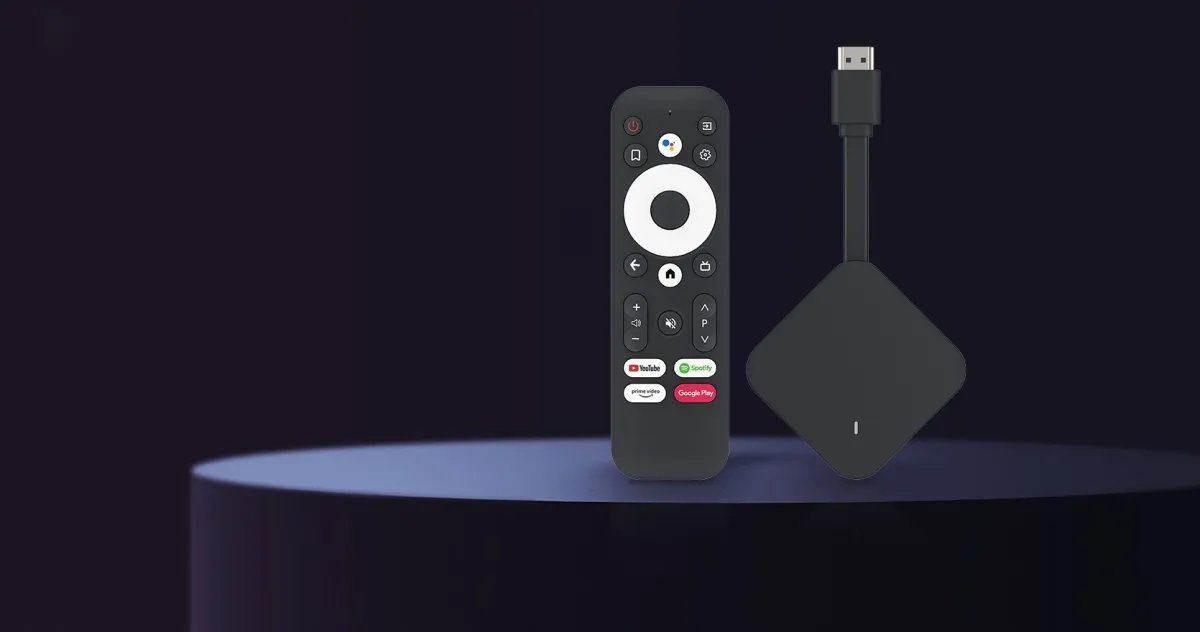
The reach of the XCPE botnet was not confined to a single product line or consumer segment. While the majority of infected units were Android TV set-top boxes, the threat also extended to a diverse array of Internet of Things (IoT) hardware. This included specialized telehealth equipment, karaoke machines, and digital signage displays. The variety of these devices suggests a deliberate effort by Videostrong to exploit the inherent security limitations of low-power, “always-on” hardware that is rarely updated by the end user.
Because these devices are often left connected to home or office networks indefinitely, they provide an ideal environment for botnets to thrive. Many of these IoT devices lack robust endpoint protection or modern security dashboards, making it impossible for the average consumer to identify abnormal network traffic. By compromising devices that act as gateways for media streaming or essential services, the attackers ensured long-term persistence in environments that were largely invisible to network administrators and security researchers.
Mitigation Strategies and Global Impact
In response to the threat, Google has taken definitive steps to neutralize the XCPE infrastructure. By cutting ties with Videostrong Technology Co., the company has barred the manufacturer from producing, selling, or supplying software for certified Android hardware. This action serves as a strong signal to the manufacturing ecosystem regarding the repercussions of supply chain integrity failures. Furthermore, Google successfully disrupted the primary command and control domains associated with the botnet.
The disruption efforts yielded broader results than anticipated. Because the criminal affiliates utilizing the XCPE infrastructure also relied on the same C2 domains to manage other hijacked devices, the takedown effectively severed access to an additional 10 million compromised units globally. This demonstrates the interconnected nature of modern cybercriminal operations, where a single point of failure in the infrastructure can lead to the collapse of much larger, disparate botnet networks.
Strengthening Android Manufacturing Protocols
This incident has necessitated a comprehensive revision of the vetting processes for Android device manufacturers. Ensuring that hardware remains secure from the factory floor to the end user requires more than just testing the final consumer software; it requires rigorous oversight of the firmware development lifecycle. Google has now implemented stricter review mechanisms to identify obfuscated code and unauthorized backdoors at the source code level before a device is granted certification.
For users of Android-based IoT and streaming devices, this situation highlights the importance of hardware sourcing. While consumers are often limited in their ability to inspect the underlying software of an IoT device, the current shift toward stricter manufacturing accountability is a necessary step. Moving forward, the industry is moving toward a model of “security by design,” where every component of the software supply chain—from the system-on-a-chip drivers to the bootloader—is subject to independent verification. This event marks a turning point in how global platforms monitor their manufacturing partners, emphasizing that supply chain transparency is no longer secondary to hardware functionality.
Disclaimer: This content is auto-generated for informational purposes only.
Source: Read Original News