







Business owners in Chicago’s Rogers Park neighborhood were greeted with a grim scene Wednesday morning as at least six local establishments discovered they had been targeted in a coordinated overnight burglary spree. Along a stretch of Clark Street near Touhy Avenue, shattered glass and damaged property served as evidence of a crime wave that has left the community shaken.
While the physical impact on the storefronts is immediate and costly, the incident highlights the ongoing challenges small businesses face in the digital age, where traditional brick-and-mortar security is increasingly being augmented—and sometimes bypassed—by modern technology.
## The Technological Arms Race in Retail Security
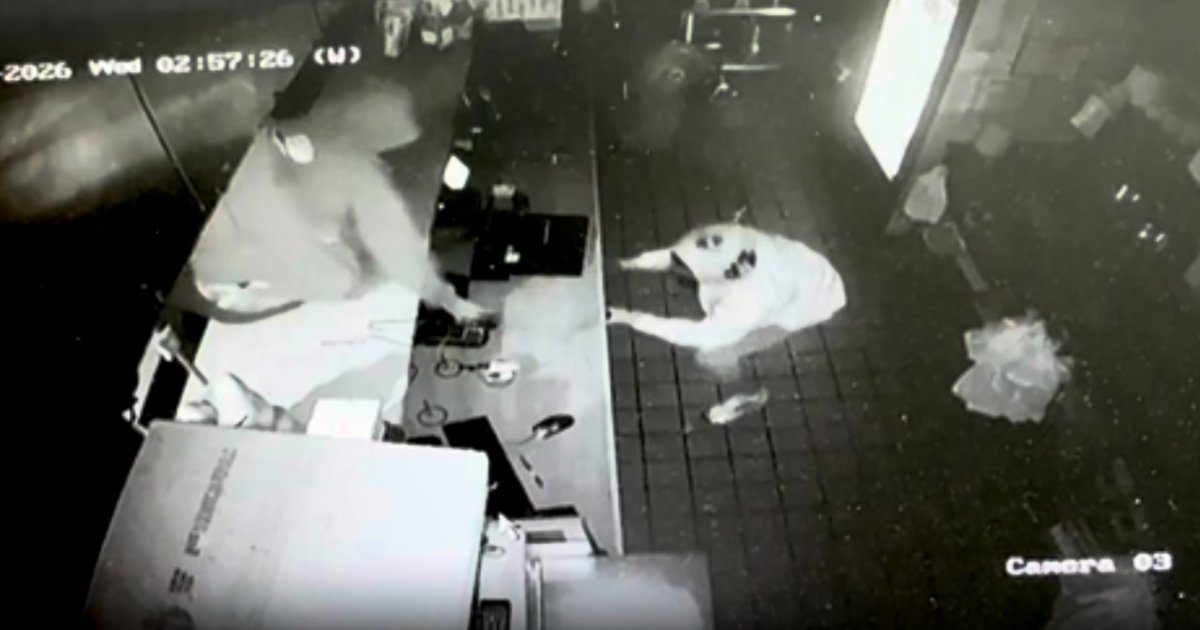
For many of the affected businesses, including China Gourmet and China Spring, internal surveillance systems provided the only insight into how the break-ins occurred. Surveillance footage recovered from China Gourmet captured two suspects inside the restaurant, showcasing the vital role that digital monitoring plays in modern law enforcement.
However, these incidents also underscore a growing divide in the retail tech space. While cloud-integrated security systems allow owners to monitor their shops from smartphones anywhere in the world, the sophisticated nature of these break-ins suggests that bad actors are becoming equally adept at navigating—or simply disregarding—the visible presence of cameras. As AI-powered security cameras become more accessible to small businesses, the focus is shifting from simple video recording to predictive AI analytics that can trigger real-time alerts or automated emergency response, though such systems remain out of reach for many localized shops.
## Leveraging Data to Combat Crime
In the wake of this spree, the role of digital evidence in the Chicago Police Department’s investigation will be paramount. Beyond simple surveillance video, investigators often look to data aggregators and integrated city-wide security networks to track movement patterns. Google’s suite of local services, particularly Google Maps and “Google Business Profile” data, has become an unexpected utility in these investigations. By analyzing timestamped review data and business hours alongside digital footprints, law enforcement and insurance investigators can piece together a more accurate timeline of events.
Furthermore, neighborhood networks and digital community-watch groups are increasingly using localized AI-driven platforms to crowdsource incident reporting. By synthesizing real-time data from social media and local business forums, these platforms can provide an early warning system that traditional, siloed security systems lack.
## The Need for Unified Digital Defense
The Rogers Park incidents serve as a stark reminder that physical security is only one layer of a complex defense strategy. For businesses on Clark Street, the recovery process now involves not just physical repairs, but the digital administrative work of filing insurance claims and updating security protocols.
Industry analysts suggest that the next phase of retail security will involve a more integrated ecosystem. This includes seamless cloud storage for video evidence, decentralized identity verification for entry points, and automated reporting systems that sync directly with emergency services. Google and other major tech firms have been pushing toward “Smart City” integration, where high-resolution camera feeds and incident data could theoretically be processed instantly to identify patterns across multiple locations.
As the Chicago Police Department continues to investigate, the affected business owners are left to assess the damage. While physical repairs are already underway, the industry trend is clear: in an era of organized, opportunistic crime, the reliance on advanced, connected security technology is no longer a luxury for small businesses—it is a baseline requirement for survival. Whether through enhanced video analytics or better community-wide digital reporting, the goal remains to turn the tide against those who view local storefronts as easy targets.
Disclaimer: This content is auto-generated for informational purposes only.
Source: Read Original News