








CVS Health, the retail and insurance colossus, announced on Wednesday that it intends to split into two independent, publicly traded companies by the first half of 2028. This monumental shift marks a formal reversal of the company’s 2018 acquisition of Aetna, effectively dismantling the vertically integrated healthcare giant that spent two decades attempting to become a singular, comprehensive destination for all patient needs.
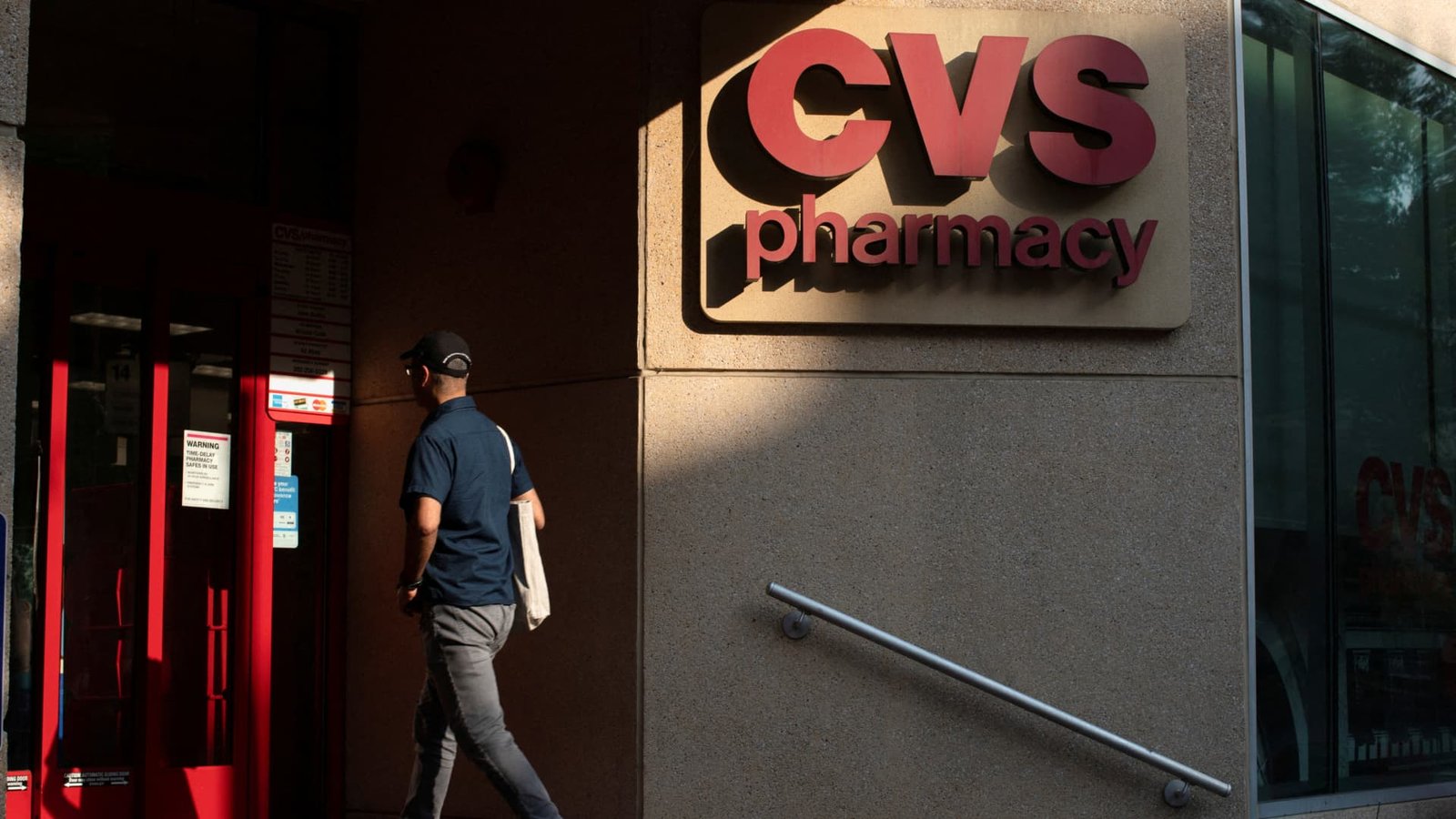
Under the new plan, the retail pharmacy business—comprised of roughly 9,000 locations—will operate as an independent entity under the name CVS Pharmacy, led by current group president Prem Shah. The remaining organization, which will retain the CVS Health brand, will house the Aetna insurance arm, the Caremark pharmacy benefit manager (PBM), and specialized service providers such as Oak Street Health and Signify Health. CEO David Joyner will continue to lead this insurance-focused entity.
## A Strategic Pivot Amid Market Volatility
The decision to break apart follows an intensive strategic review initiated by the board of directors. While CVS shares have climbed approximately 70% since Joyner assumed the CEO role in October 2024, the company has faced persistent headwinds, including fluctuating Medicare Advantage costs and intense competitive pressure.
Analysts view the move as a significant surprise, though many suggest the split could unlock value by allowing each business to pursue more agile, specialized agendas. For the retail arm, the move is an opportunity to lean into its core strength: providing accessible local healthcare services, which have seen stabilizing margins under new reimbursement models. For the insurance and PBM side, the separation allows for a more focused approach to navigating an increasingly complex regulatory landscape.
## Regulatory Pressure and the PBM Factor
Industry experts, including Leerink Partners analyst Michael Cherny, noted that the move may be a calculated effort to distance the company from the intense bipartisan scrutiny surrounding pharmacy benefit managers (PBMs). In Washington and across various state legislatures, PBMs have faced criticism regarding their opaque pricing structures and potential conflicts of interest. By separating the insurance and drug-management business from the retail storefronts, CVS may be looking to alleviate pressure regarding its vertical integration, which has become a primary target for state-level legislative reform.
## Embracing Technology and Digital Transformation
As the two companies decouple, both are expected to prioritize distinct technological roadmaps. The modern healthcare sector is currently undergoing a massive digital overhaul, with both entities likely to leverage AI and data analytics to maintain a competitive edge.
For the new CVS Pharmacy, this may involve doubling down on digital consumer engagement and pharmacy automation. Meanwhile, the insurance-led CVS Health is expected to invest heavily in machine learning tools for care coordination and predictive health modeling, aiming to drive down costs while improving clinical outcomes.
The integration of advanced technology remains a core pillar of the industry’s future. With the rise of AI-driven drug discovery and automated telehealth platforms, the split provides both companies with the flexibility to adopt emerging technologies without the bureaucratic overhead of managing a disparate, multi-industry conglomerate. By focusing on specialized digital transformation, both CVS Pharmacy and the reconstituted CVS Health aim to optimize efficiency and improve the patient experience in an increasingly digitized marketplace.
The planned separation will result in shareholders holding stakes in both companies, effectively reshuffling one of the largest corporate portfolios in the U.S. as the industry moves toward a future defined by leaner, more targeted operational strategies.
Disclaimer: This content is auto-generated for informational purposes only.
Source: Read Original News