








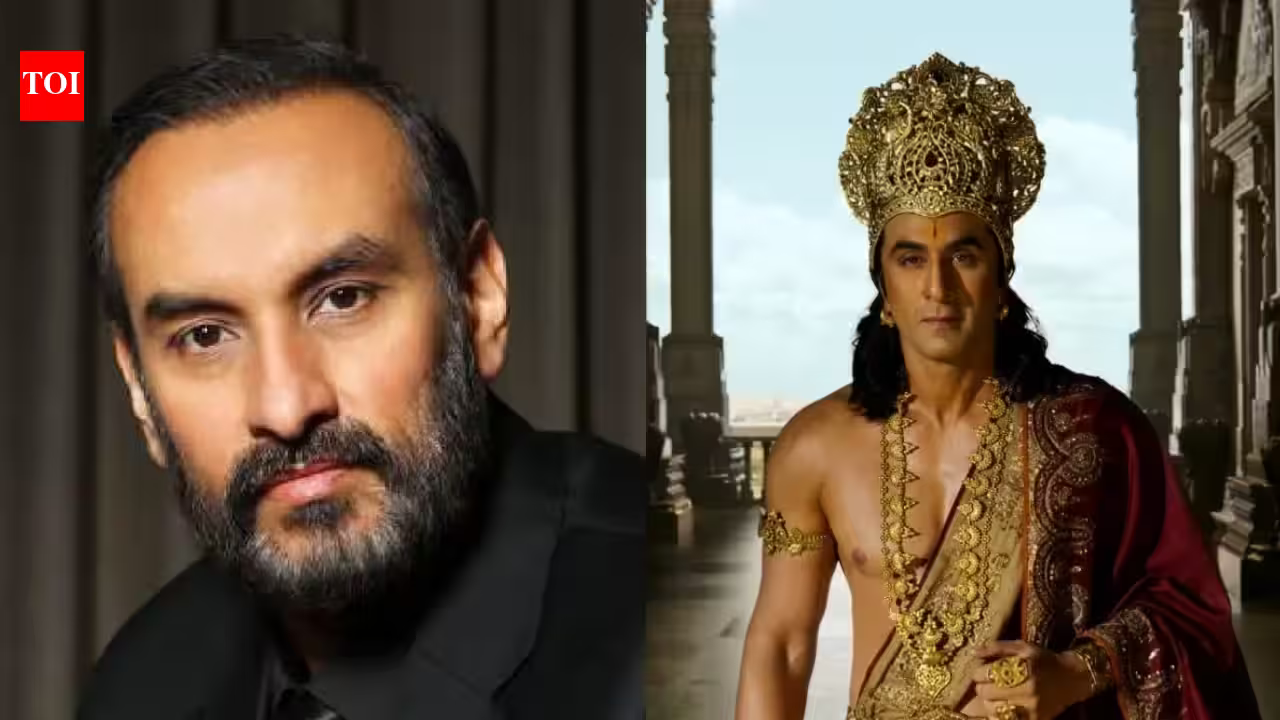
The Epic Evolution: Why ‘Ramayana’ is Becoming the Most Ambitious Gamble in Indian Cinema
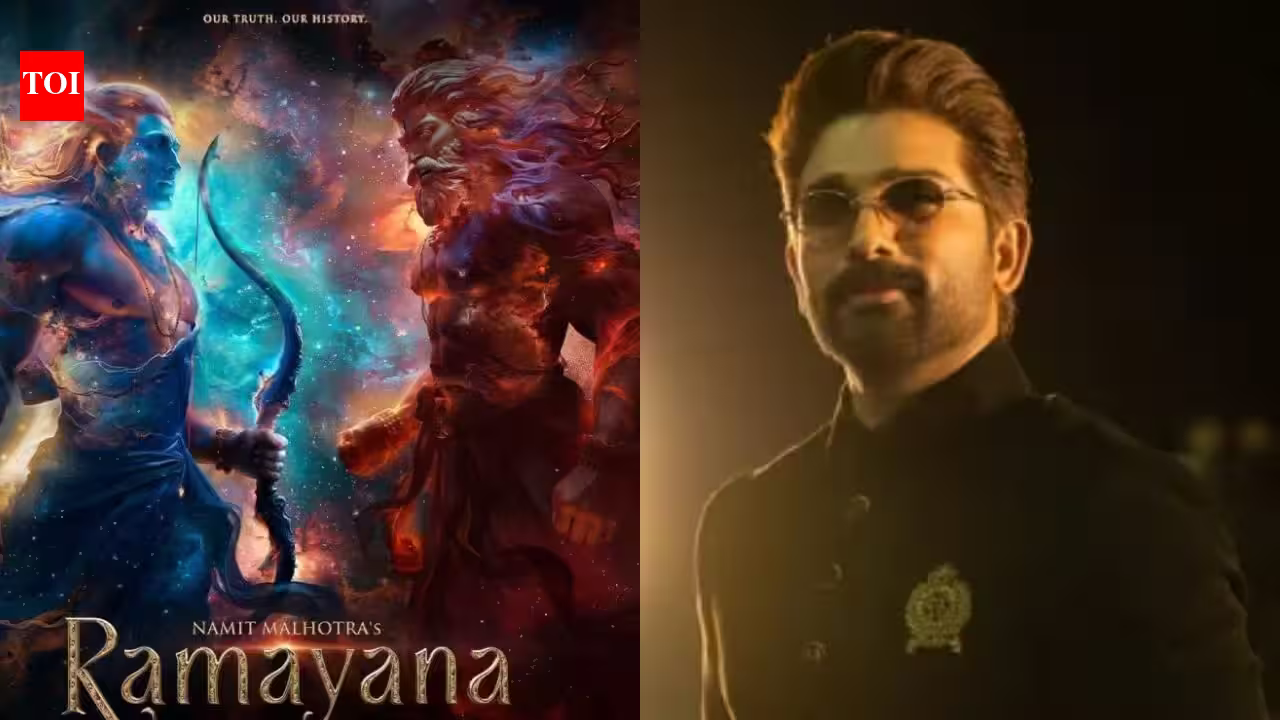
The sands of time are shifting for Nitesh Tiwari’s Ramayana. In an industry where release dates are usually written in stone, producer Namit Malhotra has signaled a dramatic pivot that could redefine the scale of Indian mythological storytelling. With Ramayana: Part 1 inching toward its November 5th release, the production house has officially announced a timeline shift: the highly anticipated sequel, previously slated for 2027, has been pushed to 2028. But behind the cold logistics of scheduling lies a much more compelling narrative—one of a creative vision that is expanding faster than the frames themselves.
For years, the chatter surrounding this project has been intense. With Ranbir Kapoor stepping into the hallowed role of Lord Rama and the powerhouse Yash commanding the screen as Ravana, the film carries the weight of a cultural institution. Malhotra’s recent comments suggest that the team is no longer just making a movie; they are crafting a legacy that requires an unprecedented amount of breathing room.
A Strategic Delay: Prioritizing Grandeur Over Haste
The decision to move the second chapter to 2028 was not made in a boardroom vacuum. It is a calculated move to ensure that the “grand finale” meets the astronomical expectations set by the first installment. Malhotra’s reasoning is simple yet sobering: “That extra year is what I genuinely believe we need to do justice for a film of this size.”
In an era of franchise fatigue, where blockbusters often feel like assembly-line products, this admission serves as a rare acknowledgment of the labor-intensive nature of high-end VFX and world-building. By granting the team an extra year, Malhotra is effectively signaling to both the trade analysts and the audience that they are refusing to compromise on the final product. It is a high-stakes gamble—delaying a sequel can sometimes dissipate momentum—but for a project aiming to be India’s answer to global fantasy epics like The Lord of the Rings, quality is the only currency that matters.
The Trilogy Question: Returning to the Drawing Board
Perhaps the most intriguing revelation from Malhotra is the lingering possibility that the Ramayana could expand from a two-part epic into a full-blown trilogy. While the initial blueprint pivoted toward a two-film structure, the creative team has left the door wide open.
“I feel like we may sit back on the drawing board and see if there’s anything else that we want to add or subtract, depending on how the world has received it,” Malhotra noted. This indicates a fluid, organic approach to filmmaking that is rarely seen in mainstream Indian cinema. Instead of locking the script in a vault, the makers are treating the release of Part 1 as a global focus group. This agility suggests that Nitesh Tiwari and his team are deeply invested in the narrative’s heartbeat, rather than just the business model. Whether the final product concludes in 2028 or extends further remains the million-dollar question, but for fans of the source material, a trilogy would allow for a much deeper exploration of the epic’s complex moral landscape.
Two Worlds, One Epic: Tailoring for a Global Stage
One of the most fascinating aspects of the Ramayana production is the dual-version strategy. During the film’s early stages, the team developed two distinct master versions—one tailored for domestic sensibilities and another specifically rewritten for an international audience. This is not just a case of subtitles or dubbing; it involves a reimagining of the script to ensure the cultural nuances of the Indian epic are translatable to a global viewership.
Malhotra expressed a personal preference: “I’d love to not have to make two different versions. I’m sure Nitesh would also like to stick to one version.” This aspiration toward a single, universally resonant cut speaks to the director’s desire for artistic cohesion. The goal is clear—to transcend the “Bollywood” label and create a cinematic experience that holds its own in Los Angeles or London just as comfortably as it does in Mumbai.
Mixed Reviews and the Challenge of Emotional Depth
The world premiere in Los Angeles on October 17th served as a baptism by fire. The reception was a complex cocktail of praise and critique. While the technical wizardry—particularly the visceral, high-octane battle sequences involving the Pushpak Vimaan—drew comparisons to the gold standards of high fantasy, there were valid notes regarding the film’s emotional gravity.
Some critics argued that in the race to achieve unparalleled visual spectacle, the soul of the story—the intense, intimate character arcs—risked being overshadowed. This feedback is likely a driving force behind the decision to take extra time for Part 2. A film of this magnitude cannot rely on pixels alone; it needs the weight of the human heart to resonate. Nitesh Tiwari, a director known for the emotional grounding in films like Dangal and Chhichhore, is surely cognizant of this. The time taken for the second act may well be spent honing that essential balance between the scale of the gods and the feelings of the men and women who embody them.
The Cast: A Pantheon of Stars
As the release of the first part approaches, the focus remains firmly on the stellar ensemble. Ranbir Kapoor’s portrayal of Rama has been the subject of relentless speculation, and Sai Pallavi’s turn as Sita is expected to bring a grounded grace to the screen. With Yash providing the terrifying, charismatic weight of Ravana, and a supporting cast that includes the likes of Sunny Deol as Hanuman and Lara Dutta as Queen Kaikeyi, the film possesses a pedigree that is difficult to ignore.
As we head into November, all eyes are on that opening weekend. Whether the Ramayana eventually settles into two parts or blossoms into three, one thing is certain: the conversation surrounding Indian cinema is changing. With the massive investment, the global ambition, and the sheer audacity of this retelling, Namit Malhotra and Nitesh Tiwari are not just putting a story on screen—they are stress-testing the limits of what Indian film can accomplish. The delay to 2028 is not a stumble; it is a declaration that the epic is still being written.
Disclaimer: This content is auto-generated for informational purposes only.
Source: Read Original News