






From its modest roots as a small plant shop in Page, Arizona, to becoming a pillar of the Flagstaff business community, Warner’s Nursery and Landscape Co. has demonstrated remarkable staying power. Now spanning four generations, the family-owned enterprise offers a masterclass in business resilience—an evolution that, in the modern era, increasingly relies on the intersection of community connection and digital adaptability.
## Adapting to a Shifting Economic Landscape
The journey began in 1970 when Bill and Dot Warner pivoted from a hardware venture following the completion of the Glen Canyon Dam to open a plant shop. As the region grew, so did the business, expanding into full-scale landscaping and eventually establishing a permanent home in Flagstaff by the mid-1990s.
Today, the company faces a different set of hurdles than its founders did. Modern challenges include rising operational costs, shifting housing demographics—where new, smaller developments often lack traditional yard space—and the constant pressure of labor shortages. Much like major tech companies currently leveraging AI to optimize supply chains and inventory, local businesses are forced to modernize their strategies to maintain profitability. Whether it is refining their digital footprint to reach new customers or using data-driven insights to adjust retail footprints, Warner’s is finding that the “bricks-and-mortar” experience must now be augmented by an intuitive, community-centered digital presence.
## The Power of Diversification and Community
A key factor in Warner’s long-term survival is its balanced business model. By operating three distinct but complementary divisions—landscape construction, grounds maintenance, and retail—the family has built an internal ecosystem that protects against seasonal volatility. When one sector dips, the others absorb the impact.
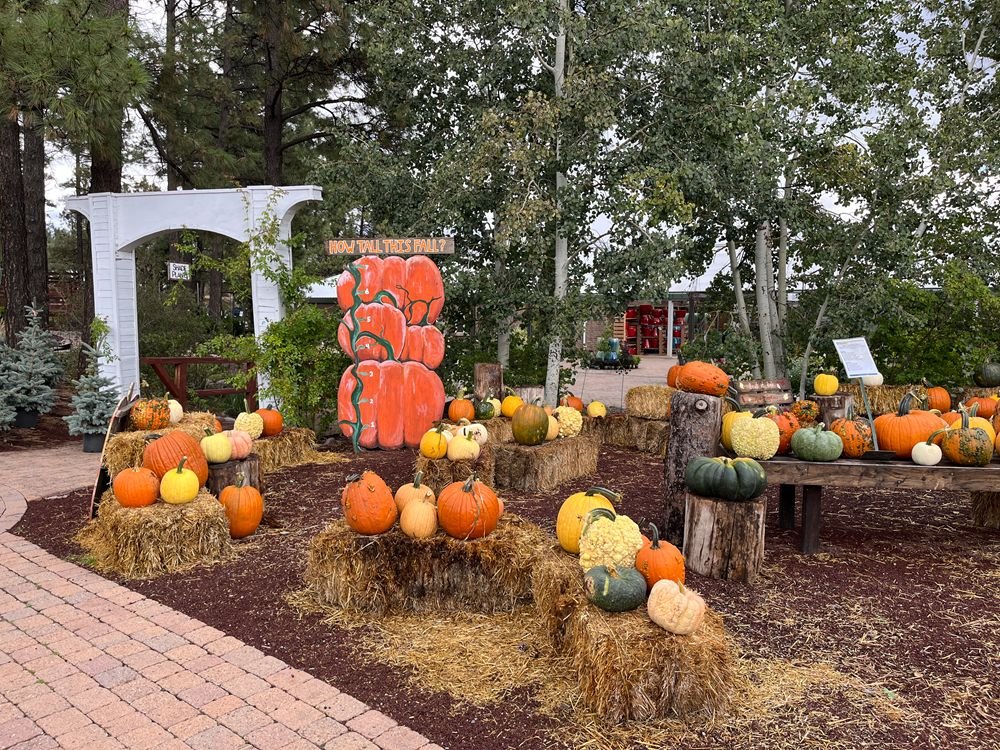
This multi-faceted approach serves as a local, tactile version of the diversification strategies seen in major conglomerates. Misti Warner-Andersen, granddaughter of the founders, emphasizes that the company’s “extended family”—its staff—remains the heartbeat of the operation. By creating a physical “destination” that includes Dottie’s Garden Coffee Shoppe, they have successfully integrated themselves into the daily lives of local residents, transforming a simple retail transaction into a community ritual.
## Future-Proofing: Tech and Tradition
Looking ahead, Warner’s is leaning into a lean-operations strategy. Warner-Andersen noted that the company is exploring ways to refine its retail footprint and potentially adjust operating hours to align with current traffic patterns. This intentional pivot is reflective of a broader retail trend, where businesses are using analytics to prioritize high-traffic events over static, costly store hours.
For many small businesses today, the path forward involves integrating digital tools to handle marketing and customer engagement. As the company looks to attract new demographics during slower seasons, they are evaluating how to better utilize social media and digital platforms to maintain the “gathering place” atmosphere they established on Butler Avenue.
By grounding their operations in core values—integrity, hard work, and doing the right thing—while simultaneously auditing their business model against the modern realities of the construction and housing market, the Warner family has secured their legacy. Their story serves as a reminder that while the tools of business may change—from the analog accounting of 1970 to the software-driven efficiencies of 2026—the success of a company remains tethered to its ability to anticipate change and deliver consistent value. As the business enters its next chapter, the focus remains on sustaining a culture that values people as much as the landscapes they cultivate.
Disclaimer: This content is auto-generated for informational purposes only.
Source: Read Original News