






The Democratic Sweep in the US: A Complex Calculus for New Delhi
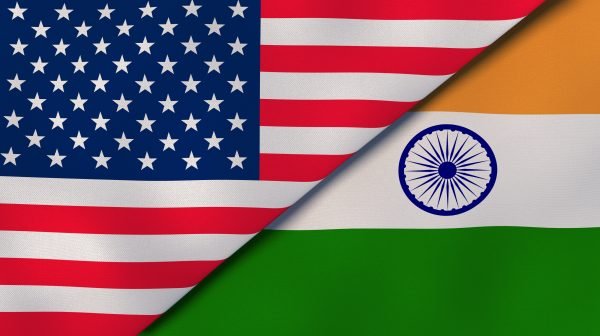
The recent mid-term elections in the United States, which resulted in a resounding victory for the Democratic Party in both the House and the Senate, have prompted intense scrutiny in New Delhi. While the shift in power has triggered a sense of relief regarding the restoration of institutional checks and balances, the implications for the India-U.S. strategic partnership remain nuanced, blending potential economic benefits with significant diplomatic volatility.
Navigating Immigration and Legislative Realities
For the Indian diaspora and the domestic technology sector, the Democratic win is being greeted with optimism. The Trump administration’s stringent immigration stance—most notably the suspension of Program Electronic Review Management (PERM) applications—had severely hampered H-1B visa holders and major IT firms like Infosys and TCS. A pivot toward more traditional, pro-legal immigration policies is expected to alleviate these pressures.
Furthermore, the surge in the number of Indian-American legislators, often referred to as the “Samosa Caucus,” is seen as a conduit for greater influence. With six Indian-American members now poised to leverage their positions, there is hope for more structured policy advocacy. However, experts warn that the influence of these lawmakers is not monolithic. Many, such as Representative Pramila Jayapal, have been vocal critics of the current Indian government’s democratic record, raising concerns over voter rights and human rights issues—a sharp departure from the transactional approach taken by President Donald Trump.
The Veto Threat and Structural Limits
While many in Delhi hope for a more predictable policy environment, the structural reality of the U.S. government remains daunting. President Trump has signaled his intent to act as “Mr. Veto,” threatening to leverage his executive powers to bypass a hostile legislature. Because the Democrats lack the supermajority required to override a presidential veto, their ability to force substantive policy shifts—particularly on tariffs and trade deals—is severely constrained.
New Delhi, therefore, faces a precarious road ahead. While a Democratic-led Congress may push for more rigorous oversight of foreign policy, the President maintains significant leeway in matters of national security and international agreements.
Strategic Risks and Global Pressures
The primary anxiety for India lies in the escalating tensions between the U.S. and Russia. If a new, more assertive Congress successfully pushes through aggressive anti-Moscow legislation, India’s strategic autonomy could be tested. Specifically, if the U.S. moves to further isolate Russia, India’s ability to procure discounted Russian oil could become politically toxic, potentially inviting renewed pressure for India to publicly distance itself from Moscow.
Simultaneously, the threat of an expanded conflict with Iran looms large. With the U.S. executive branch likely to lean into foreign policy to circumvent domestic legislative gridlock, the prospect of military escalation in the Middle East poses a grave risk to India’s energy stability and regional security.
A Cautious Path Forward
Ultimately, assuming that a change in the U.S. legislature guarantees an uptick in bilateral fortunes is a dangerous oversimplification. New Delhi’s historical strength has been its bipartisan outreach, maintaining robust ties that transcend individual administrations. As the U.S. enters a period of intense domestic friction, India’s most prudent course is a patient “wait-and-watch” approach. By engaging directly with influential lawmakers—such as potential committee chairs—and shelving sensitive trade negotiations until the political dust settles, India is opting to prioritize stability over reactive policy shifts in an increasingly unpredictable geopolitical landscape.
Disclaimer: This content is auto-generated for informational purposes only.
Source: Read Original News