






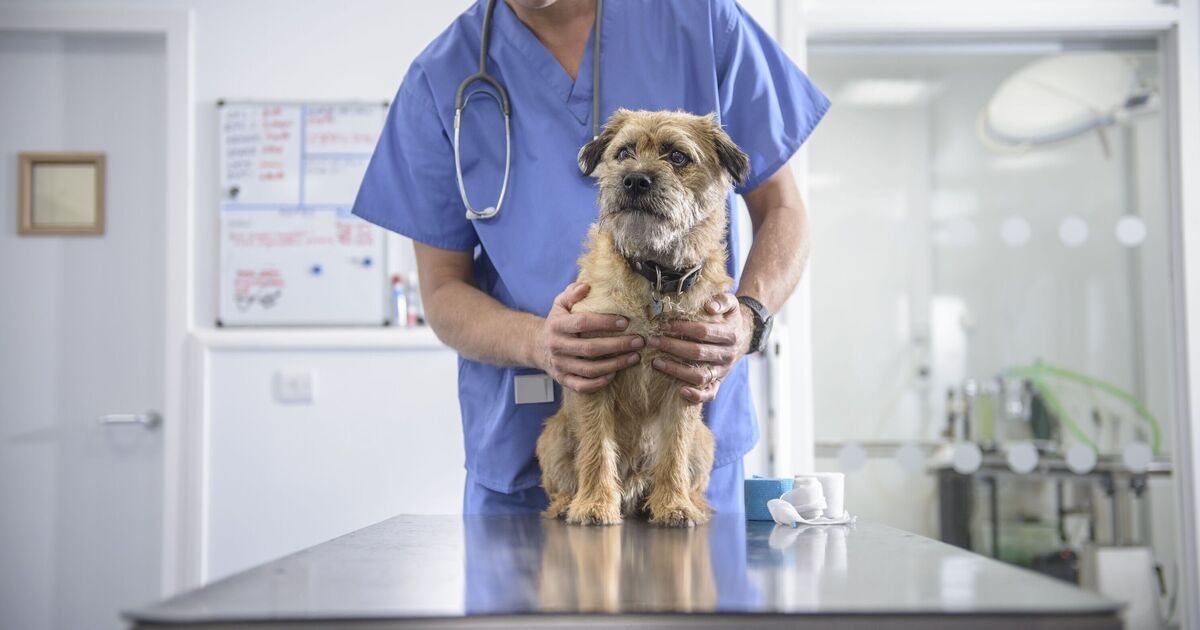
Understanding the Recent Veterinary Alert
It is natural for any pet owner to feel a sense of concern when news of a health issue makes headlines. Recently, veterinarians have brought attention to the emergence of a condition in the UK known as Canine Transmissible Venereal Tumour (CTVT). While the term may sound intimidating, understanding what it is and how to stay ahead of it is the best way to keep your furry companion safe.
CTVT is a rare, contagious form of cancer that spreads through the direct transfer of cells between dogs. It was effectively wiped out in the UK over fifty years ago through careful population management and health standards. Its recent return is linked to the growing number of rescue dogs being brought into the country from abroad, where the condition remains present in stray populations. Because it can be passed through physical contact, such as sniffing or licking, staying informed is the most practical step you can take for your pet’s wellbeing.
Recognizing the Early Warning Signs
The most important takeaway for dog owners is that while this condition is serious, it is also highly treatable when caught early. Knowing what to look for allows you to act quickly if something seems out of the ordinary.
The symptoms often appear as red, fleshy, or cauliflower-like lumps. While these are frequently found around the genital area, they can also appear on the nose, mouth, or face if a dog has been sniffing or licking an infected area. Other signs include unusual bleeding, discharge, difficulty urinating, or persistent swelling. Because some of these symptoms—like bad breath, frequent sneezing, or skin ulcers—can mirror more common, less severe ailments, it is always a smart move to have your veterinarian assess any changes you notice in your dog’s behavior or physical health.
Taking Proactive Steps for Safety
Keeping your pet healthy does not have to be a source of constant worry. You can take simple, daily measures to minimize any risk. Keeping your dog on a lead during walks helps you stay in control and prevents unsupervised interactions with unknown dogs.
Additionally, routine veterinary check-ups serve as the best line of defense. If you have recently adopted a dog from overseas, do not hesitate to share that history with your vet. A simple mention of their background allows your veterinarian to perform more targeted examinations. Furthermore, if you are considering breeding, requesting a thorough genital exam beforehand is a responsible practice that supports the health of your dog and others. Neutering and spaying are also recommended, as these procedures reduce the natural urges that lead to the primary mode of transmission.
Why Early Detection Matters
The good news is that the veterinary community is well-prepared to handle this. Because CTVT rarely spreads to internal organs, the prognosis for a full recovery is excellent with standard treatments. The University of Cambridge has even launched a national pilot study that provides free, specialized diagnostic testing for vets across the UK. This initiative makes it faster and easier for your local clinic to confirm a diagnosis and begin the necessary treatment, which typically involves a standard chemotherapy drug.
Ultimately, your role as a pet owner is to be observant and calm. You do not need to change your entire routine or isolate your dog from the world. Simply remain attentive to your pet’s daily habits and physical appearance. If you notice a new lump or a strange change in their behavior, treat it as a reason to schedule an appointment rather than a reason for alarm. By keeping these tips in mind and maintaining a good relationship with your vet, you ensure that you are giving your dog the best possible care for a long, happy, and healthy life.
Disclaimer: This content is auto-generated for informational purposes only.
Source: Read Original News