








Restoring Digital History Through Technical Precision
In an era where digital distribution platforms often prioritize new releases over historical preservation, a recent initiative by Electronic Arts (EA) offers a rare glimpse into the complex logistics of software restoration. By revisiting classic titles from the 1990s, the company has demonstrated that technical salvage operations are not merely academic exercises but viable pathways to delivering improved experiences for modern hardware. The project focuses on bringing aging software into the contemporary ecosystem, utilizing modern display standards and updated input configurations to ensure these titles remain functional on current operating systems.
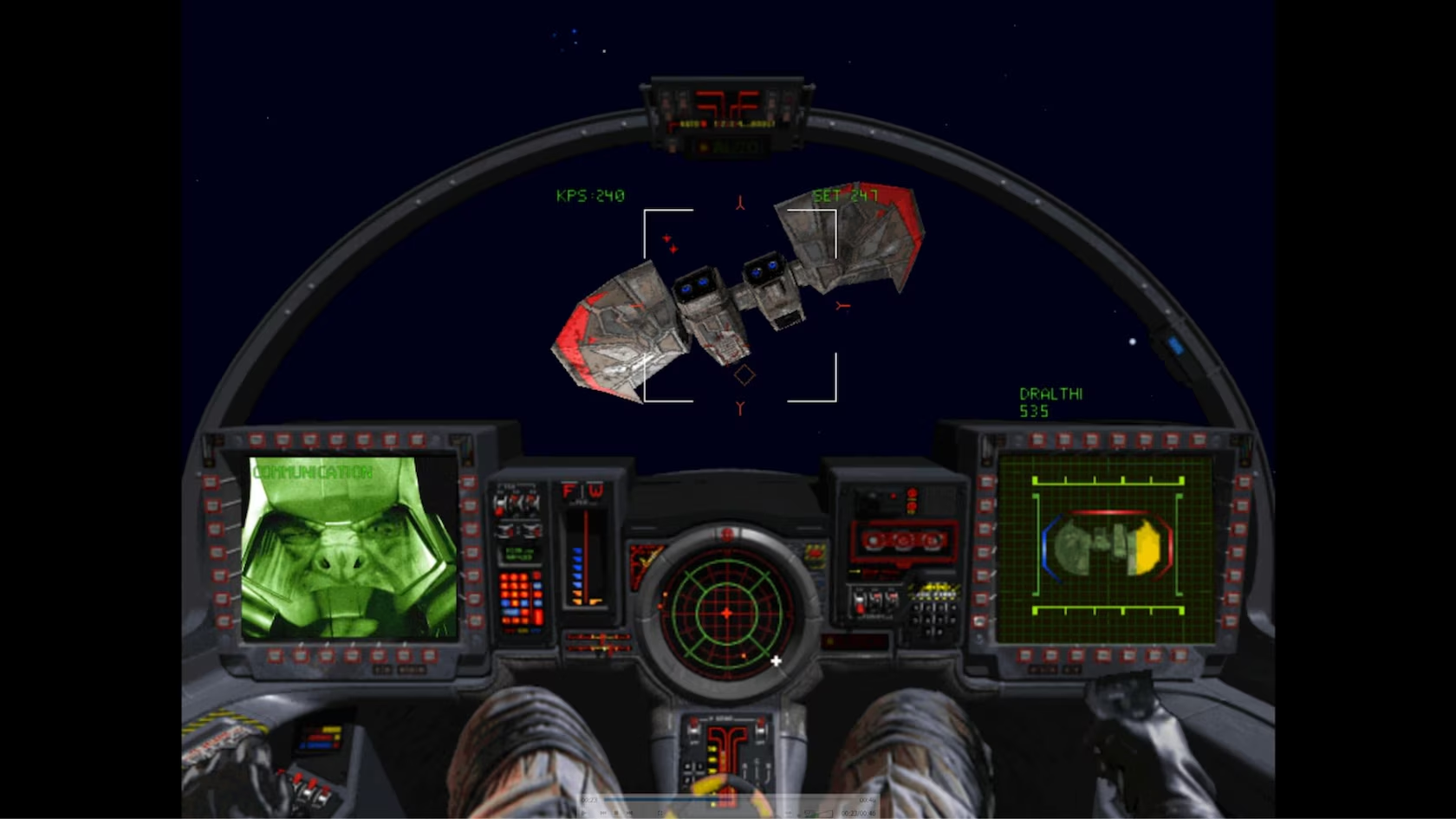
The core of this release involves a significant visual overhaul, specifically targeting Full-Motion Video (FMV) sequences. In the late 90s, these cutscenes were frequently compressed to fit the storage limitations of CD-ROM media, resulting in heavy artifacting and low-resolution playback. The restoration process for titles such as Privateer 2 involved locating original source tapes stored in private collections. By sourcing these high-fidelity materials, engineers were able to perform high-quality upscaling and color-grading, bringing the cinematic narrative elements in line with modern display fidelity.
Modernizing Gameplay Performance
Beyond the visual enhancements of the cinematics, the underlying game engines have received necessary adjustments to support current PC standards. A primary feature of these remasters is the implementation of 60 frames-per-second (FPS) gameplay. Historically, many of these titles were hard-coded to operate at lower refresh rates, tied directly to the CPU clock cycles of 90s-era hardware. Breaking these shackles requires deep-level code modification to ensure that game logic, physics, and input responsiveness remain consistent at higher frame rates.
Furthermore, the integration of full controller support addresses a significant hurdle for modern players accustomed to standardized input devices. While the transition from keyboard-and-mouse schemas to gamepad interfaces is essential for accessibility, early reports suggest that the implementation has encountered some inconsistencies. Users interacting with these updated titles on platforms like Steam have noted that controller recognition is not yet universal, suggesting that further patches may be required to stabilize the mapping across different hardware configurations.
Preservation Through .INI and Asset Management
For power users and enthusiasts, the inclusion of extensive .INI configuration files represents a welcome nod to technical transparency. These text-based configuration files allow players to adjust settings that were previously buried deep within the application’s binary code. By exposing these parameters, developers have granted the community a degree of agency to troubleshoot performance issues or customize the experience to match their specific monitor setups.
The scope of this project extends beyond mere code optimization. In the case of Road Rash, the team undertook the significant legal and technical challenge of re-licensing the original soundtrack. Music rights in gaming are notoriously difficult to navigate, as many older agreements did not anticipate the modern landscape of digital storefronts. Successfully clearing these rights allows the remastered version to retain the atmospheric integrity of the original release, providing an authentic experience for returning players while maintaining the historical context of the title.
The Human Element of Digital Restoration
The success of these remasters highlights a unique aspect of game preservation: the reliance on individual effort. In the case of Privateer 2, the restoration was bolstered by the participation of the original cinematics director, Steve Hilliker, who maintained the physical master tapes. This underscores a recurring theme in software history where the survival of a title is often dependent on individuals taking the initiative to store and maintain source materials long after commercial support has ceased.
While the project received corporate backing as it progressed, much of the foundational work originated from passionate efforts that spanned beyond standard institutional workflows. This hybrid approach—combining corporate resources with specialized knowledge from original creators—serves as a template for how larger publishers might approach their back catalogs. It transforms the process from a passive archival project into an active, community-integrated development cycle.
Impact on the Future of Game Archiving
With the games now available on major digital storefronts for a minimal cost, the initiative serves as a practical demonstration of accessibility. By providing these remasters at a low price point and offering them for free to existing owners of the original releases, EA has positioned the project as a service to the gaming community rather than a simple revenue-generating exercise.
The broader impact of this work is the solidification of these titles within the modern library. As hardware continues to evolve, the fragility of software becomes more apparent. Without dedicated efforts to recompile, port, and update engines for current OS environments, these digital artifacts risk becoming unplayable. While this specific project is not an exhaustive fix for every issue encountered by users, it establishes a precedent for high-quality restoration. It proves that with the right combination of original source material, technical expertise, and a willingness to engage with the legacy of a product, developers can ensure that digital history remains accessible for years to come.
Disclaimer: This content is auto-generated for informational purposes only.
Source: Read Original News