






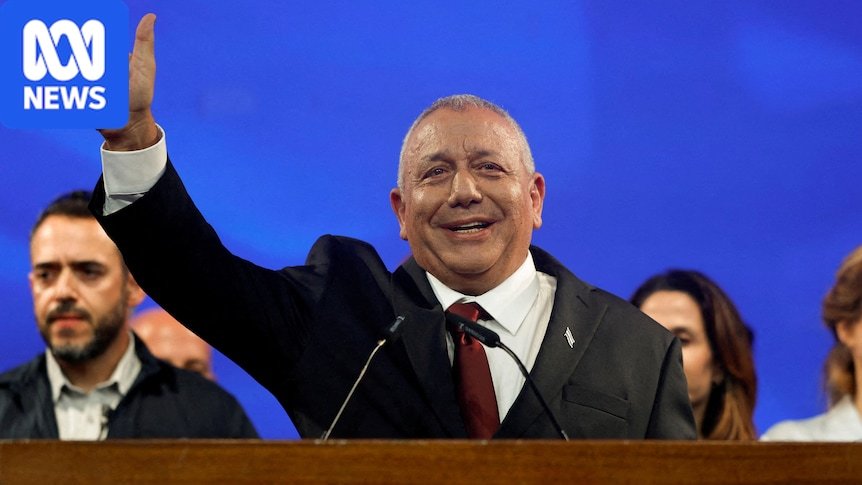
JERUSALEM — In a seismic shift for Israeli politics, President Isaac Herzog has officially bypassed Benjamin Netanyahu, announcing that he will grant the mandate to form a new government to Gadi Eisenkot, the leader of the centre-right Yashar party and Netanyahu’s primary rival.
The decision, confirmed on Friday, follows a week of intensive consultations at the President’s residence. Mr. Herzog met with representatives from every party that secured seats in the newly elected Knesset, tasking them with recommending a candidate capable of breaking the nation’s long-standing political deadlock. While the president initially took the weekend to deliberate—citing deep-seated animosity between competing factions—the final consensus among a majority of the political blocs was to hand the historic opportunity to Eisenkot.
The move marks a potential end to the dominance of Benjamin Netanyahu, who has long served as the face of Israel’s right-wing political establishment. Mr. Herzog is scheduled to formally invite Eisenkot to his residence at 5:00 p.m. local time on Sunday (2:00 a.m. AEDT Monday) to hand over the mandate. Once tasked, the Yashar leader will have 28 days to build a coalition that can command a majority in the 120-seat parliament.
However, the path ahead for Eisenkot is fraught with peril. The central hurdle remains the role of the Arab-Israeli parties, which secured a record 19 seats in this election—a surge that has drawn aggressive rhetoric from the political right. Netanyahu’s Likud party has reacted with fury, baselessly accusing these parties of election theft and calling for investigations into alleged foreign interference.
By signaling an openness to engagement with Arab-Israeli factions, Eisenkot has set himself on a collision course with the conservative establishment. If he chooses to exclude them to appease centrist or right-wing sensibilities, he will be forced to attempt the nearly impossible task of peeling away the ultra-Orthodox parties that have historically served as the bedrock of Netanyahu’s coalitions.
The political stakes are monumental. Eisenkot, a former military chief who has been branded by supporters as “everything Netanyahu is not,” now faces the daunting challenge of navigating a fractured Knesset defined by bitter ideological divides.
The task of forming a government is further complicated by the fact that many parties remain vehemently opposed to working alongside their rivals, creating a parliamentary landscape that is as volatile as it is divided. With the 28-day clock set to begin on Sunday, Israel now enters a period of intense backroom negotiations that will determine whether a new government can rise from the ashes of a deeply polarized election, or if the country is headed toward yet another round of uncertainty.
Disclaimer: This content is auto-generated for informational purposes only.
Source: Read Original News