





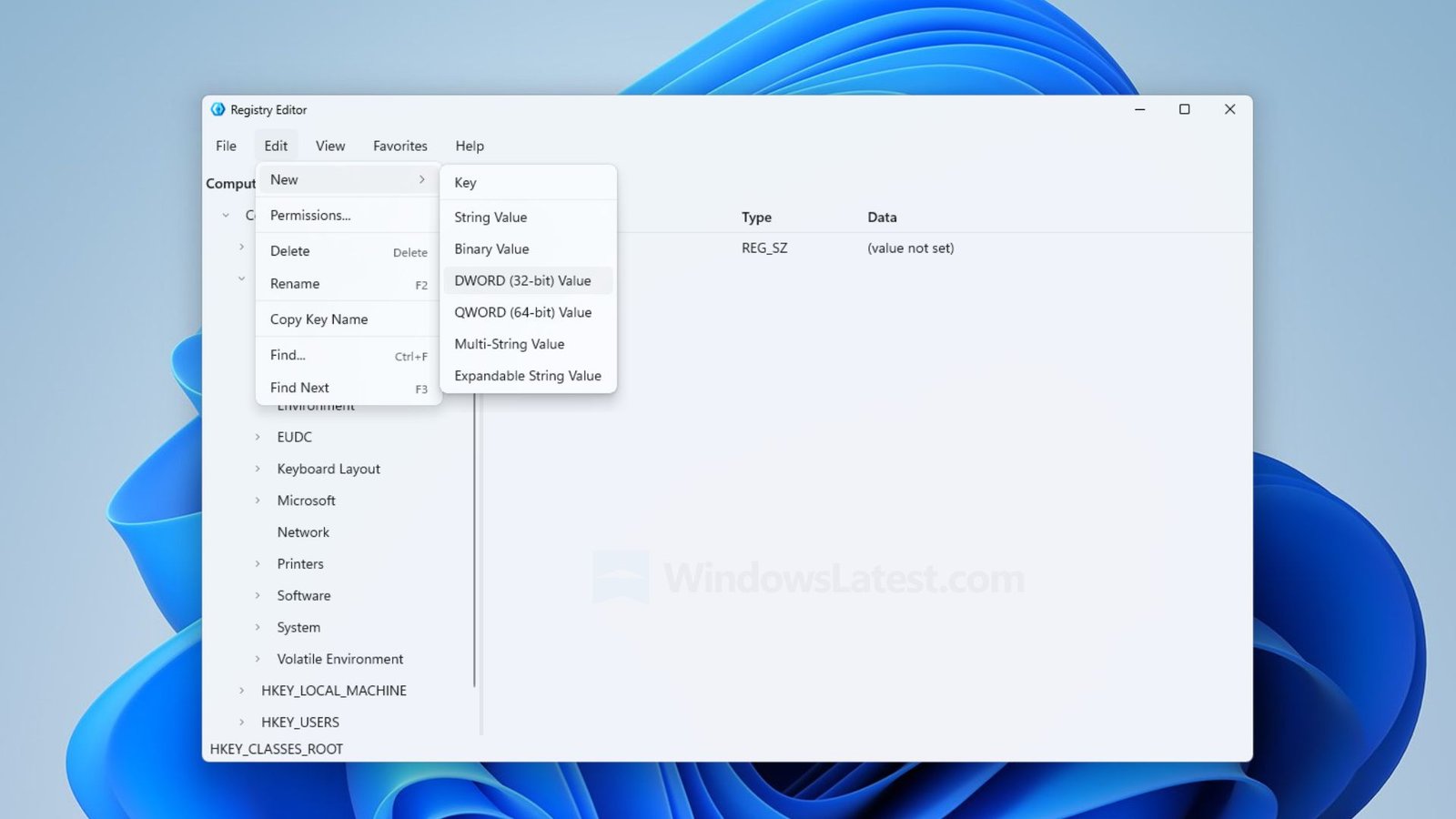
The landscape of Windows system administration has been fueled by recent rumors regarding a successor to the venerable Registry Editor (Regedit). Speculation intensified following the discovery of a modern-looking interface that appeared to replace the decades-old utility with a sleek, Windows 11-compliant design. However, Microsoft has officially clarified that this iteration is not a functional replacement for the current tool but rather a demonstration of technical capabilities.
Understanding the Nature of the Sample App
The confusion surrounding the interface began when reports surfaced showcasing a modern Registry Editor built using Microsoft.UI.Reactor. This framework allows developers to create user interfaces using a functional programming paradigm within the Windows ecosystem. Because the interface exhibited a high degree of polish and alignment with the Mica material design language, many observers interpreted it as a definitive sign that the legacy Regedit was finally being retired.
Microsoft executives, including VP Scott Hanselman and Windows Insider lead Marcus Ash, quickly utilized social media to correct this narrative. They explicitly stated that the application is merely a sample, intended to exhibit the potential of Microsoft.UI.Reactor for third-party developers and internal engineering teams. It was never designed to be integrated into the Windows 11 codebase or to serve as a successor to the existing utility that has been a staple of the operating system since the mid-1990s.
Technical Implications of Microsoft.UI.Reactor
The utility in question serves as a proof-of-concept for the capabilities of modern UI frameworks on Windows. By leveraging Microsoft.UI.Reactor, developers can define application logic and appearance in a more concise, reactive style compared to traditional XAML-based development. This architectural shift is significant for those building complex system utilities.
By demonstrating this technology through a high-profile target like the Registry Editor, Microsoft aimed to show developers that legacy-style system tools can be reimagined with modern aesthetics, dark mode support, and fluid animations without sacrificing performance. However, the focus remains on educational utility rather than production-ready software. The criticism directed at the app—largely regarding its unfinished feature set and lack of parity with the current Regedit—stems from the misconception that it was intended to be a replacement.
The Status of Windows Modernization
While the sample app is not destined for a public release, it underscores a broader, ongoing initiative within Microsoft to modernize core system components. This effort is part of a larger, internal project often referred to as Windows K2. The objective of this initiative is to harmonize the user experience across the entire OS, bringing legacy tools into alignment with the design language used in modern applications like Settings, File Explorer, and the Microsoft Store.
Despite the intent to update these legacy tools, the Registry Editor is not currently at the top of the development priority list. System-level utilities require immense caution during modernization; they must maintain absolute compatibility with existing registry structures, permission models, and power-user workflows. Because the registry is central to the stability of the entire operating system, any fundamental change requires extensive verification and architectural planning that goes beyond simple interface updates.
Addressing User Expectations
The negative feedback loop that occurred following the initial reports highlights the sensitivity of the Windows user base regarding core utilities. For many system administrators, developers, and power users, the Registry Editor is a critical piece of infrastructure. When an image of a “new” version appears, users often project their hopes for improved search, better navigation, and enhanced history tracking onto it.
Microsoft has acknowledged that a modernized version of the Registry Editor remains on their long-term roadmap. Importantly, the company confirmed that any future official update will not resemble the sample app currently circulating. The actual modernization process will involve much more than a visual overhaul; it will likely focus on improving the way users interact with complex hive structures while maintaining the technical depth required for advanced troubleshooting.
The Future of System Administration Tools
The incident involving the sample Registry Editor serves as a reminder of the tension between legacy stability and modern usability. Windows 11 represents a significant visual departure from its predecessors, yet it remains tethered to architectural foundations that span thirty years of development.
Moving forward, the Windows team continues to balance the introduction of new, user-friendly layers with the necessity of maintaining the power-user tools that keep the platform viable for professionals. While users should not expect an immediate release of a new Registry Editor, the existence of the sample demonstrates that the company is actively exploring the frameworks needed to make these changes possible. When a genuine update arrives, it will likely be a product of extensive internal refinement rather than a demonstration of experimental UI technology.
Disclaimer: This content is auto-generated for informational purposes only.
Source: Read Original News


