







India’s Festive Retail Surge: A Shift Toward Value and Speed
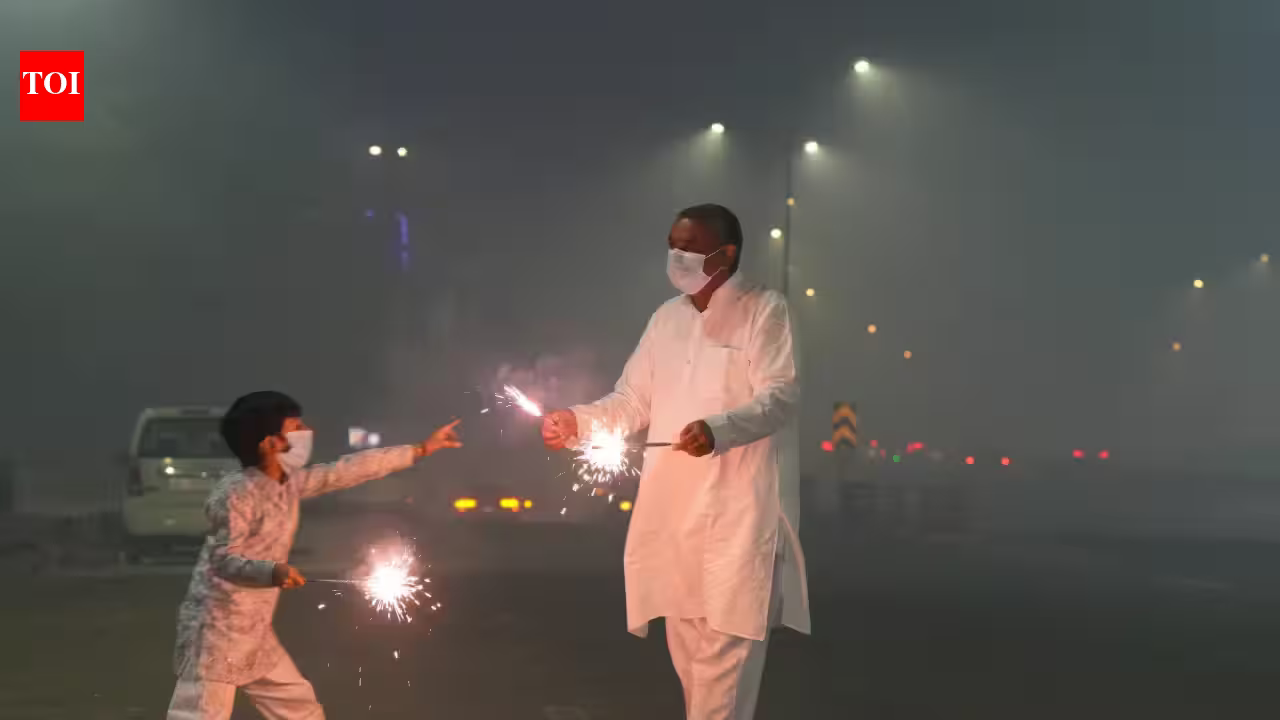
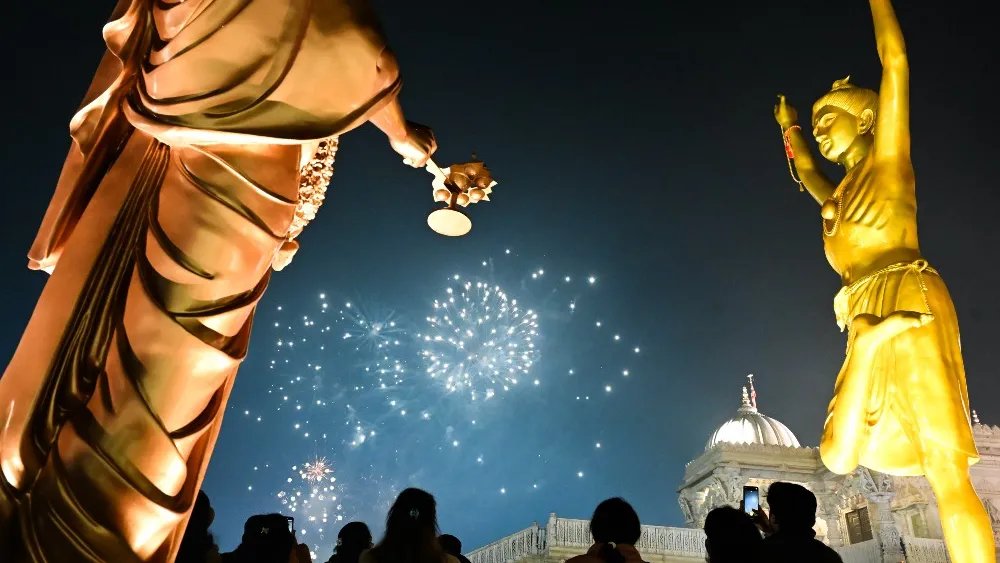
India’s retail landscape experienced a remarkable transformation this festive season, defying earlier economic pessimism to record a massive surge in consumer activity. As Diwali celebrations illuminated the country, both digital and physical markets reported robust growth, with e-commerce platforms seeing a 25 percent increase in sales compared to the previous year.
The October festive period proved to be a powerhouse for the economy, with industry data indicating that sales surpassed 1.5 trillion rupees ($15.94 billion). While online marketplaces grabbed the headlines, brick-and-mortar stores also enjoyed a resurgence, posting double-digit growth that signals a structural shift in how Indian consumers interact with brands.
The Dominance of “Value” Shopping
According to market analysts, the defining theme of this year’s shopping spree was “value.” Despite challenges such as higher borrowing costs and inflationary pressure on household budgets, consumers flocked to grab deals. This sentiment was bolstered by a record-breaking 46 percent average discount rate across platforms, a significant jump from 2025 levels.
Ravi Kapoor, partner and leader of the Retail and Consumer Sector at PwC India, noted that the season was characterized by nuanced consumption. While categories like apparel and accessories remained buoyant, the market stayed sporadic, with consumers being highly selective about where they allocated their spending.
E-commerce and the Geography of Growth
E-commerce giants maintained their dominance, with Flipkart and Myntra commanding a combined market share of nearly 77 percent. Amazon’s Great Indian Festival also reported impressive gains, with overall shopping volumes rising by more than 50 percent.
A significant demographic shift occurred as well: over 72 percent of traffic originated from Tier 2 and Tier 3 cities. Furthermore, the number of first-time online shoppers nearly doubled, indicating that the convenience of digital retail is penetrating deeper into the heart of the country. Notably, Eastern India—a region that has historically trailed in growth—emerged as a major hotspot, with platforms like Myntra reporting a seven-fold increase in regional demand.
Quick Commerce and Omnichannel Fluidity
The rise of “quick commerce” has introduced a new dimension to consumer expectations. With delivery times for some items dropping to under five minutes, the demand for immediacy reached an all-time high. Myntra’s “M-Now” service saw a 2.6x jump in orders, proving that customers are willing to leverage rapid delivery for everything from casual wear to luxury items.
The boundaries between online and offline shopping have become increasingly porous. Brands are now adopting an omnichannel strategy to capture consumers at every touchpoint. Retailers like Nykaa have aggressively expanded their physical footprints, operating hundreds of stores across various cities to complement their digital presence.
Looking Beyond Diwali
As the festival of lights fades, the retail sector is already recalibrating for the upcoming wedding season. While the current success is undeniable, industry experts maintain a cautious optimism. The primary challenge for retailers now lies in sustaining engagement once the deep festive discounts are withdrawn.
As noted in PwC India’s The Retail Reinvention Paradigm, the modern Indian consumer is faster, smarter, and more discerning. For brands to maintain this momentum, they must continue to innovate, ensuring that the integration of digital speed and physical experience remains seamless. As one Mumbai-based retailer observed, the narrative of 2026 is not just about a higher volume of purchases—it is about a fundamental transformation in how India shops.
Disclaimer: This content is auto-generated for informational purposes only.
Source: Read Original News