








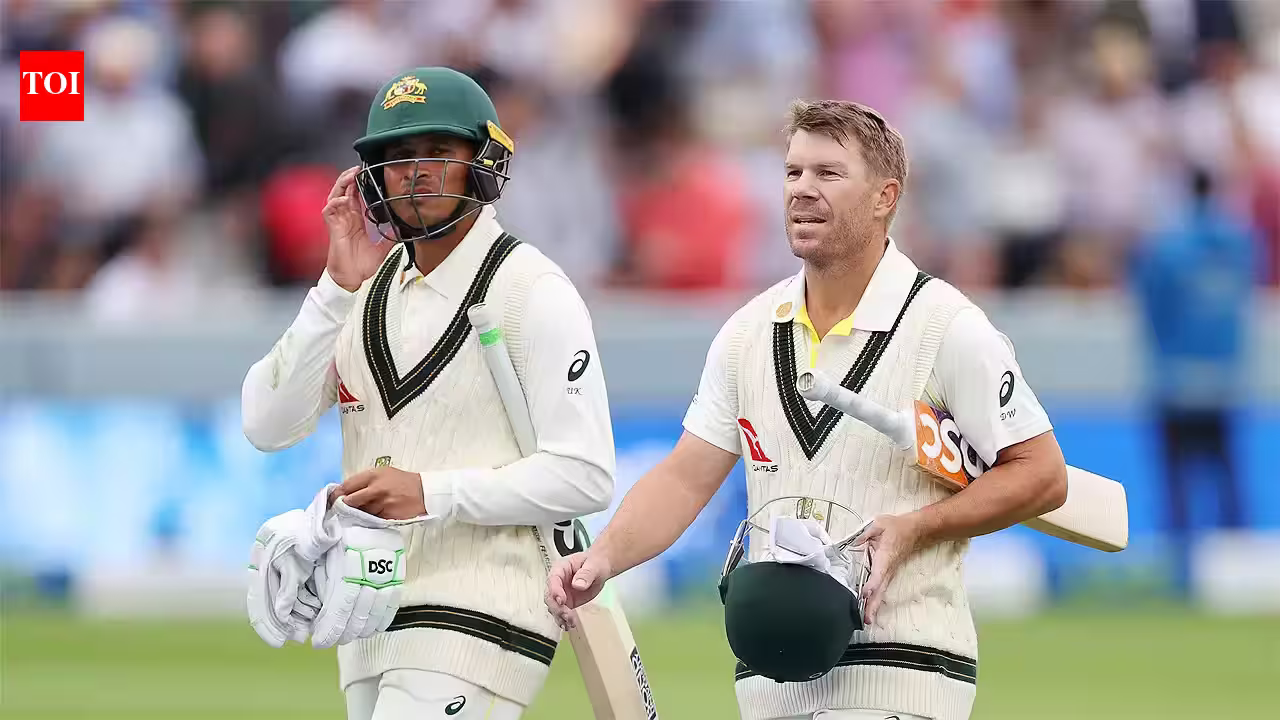
Tensions surrounding the dark chapter of Australian cricket have reignited with a vengeance, as the 2018 “Sandpapergate” scandal roared back into the headlines this week. What was meant to be a reflective account in Usman Khawaja’s new memoir, Sabr, has instead detonated a high-stakes war of words, drawing former batting coach Graeme Hick and star opener David Warner into a bitter public confrontation over the culture of the national team during that fateful tour of South Africa.
The catalyst for this renewed firestorm is Khawaja’s assertion that the knowledge of the ball-tampering plot was not restricted to the infamous trio of Cameron Bancroft, Steve Smith, and David Warner, but was effectively common knowledge within the Australian dressing room. It is a claim that cuts to the heart of the narrative that has been maintained for over half a decade, and it has prompted a swift, stinging rebuttal from those who were in the room at the time.
Hick Breaks Silence with Categorical Denial
Graeme Hick, who served as Australia’s batting coach during the 2018 tour, has moved quickly to distance himself and the broader coaching staff from the culture that permitted such a lapse in integrity. In a robust defense of his tenure, Hick labeled Khawaja’s claims as “absolutely false.”
The former batting great maintained a stance of total ignorance regarding the illicit activity that took place on the field at Newlands. According to Hick, there was no chatter in the inner sanctum, no planning, and no clandestine meetings regarding the alteration of the ball. He insists that his first inkling that something was amiss—and indeed, his first realization that a massive scandal was unfolding—occurred only when the damning footage began looping on the stadium’s big screen.
Hick’s rejection of the claims serves as a direct challenge to the notion that the scandal was a systemic team issue rather than an isolated, rogue operation by the leadership group. By positioning himself as unaware, Hick effectively reinforces the official history that Cricket Australia sought to establish following the fallout: that the responsibility lay solely with the players involved in the act.
Warner Retaliates with Explosive Accusations
David Warner, rarely one to shy away from a conflict, was not content to let Hick’s denial stand without a retort. However, rather than strictly sticking to the facts of the Cape Town incident, Warner shifted the battlefield to the internal politics of Cricket Australia, aiming a stinging rebuke at Hick’s professional standing and the circumstances of his hiring.
In a sharp-tongued response on social media, Warner dismantled the credibility of the former coach by highlighting the personnel decisions that preceded the crisis. Warner suggested that Hick’s tenure as batting coach was essentially a consolation prize for Cricket Australia, which was reportedly unwilling to meet the salary expectations of the highly regarded Michael Di Venuto.
“Let’s get the facts straight,” Warner wrote, framing the narrative as a clash between internal loyalties and administrative penny-pinching. Warner revealed that the Australian players held Di Venuto in such high regard that they were willing to reach into their own pockets to subsidize his salary to ensure he remained with the team—a move that underscores the high level of trust the squad had in their previous setup, contrasted against the apparent disconnect during the Hick era.
By bringing Di Venuto into the debate, Warner is attempting to cast doubt on the integrity and authority of those who replaced the staff the players trusted. It is a classic diversionary tactic that redirects the focus from the act of tampering toward the administrative incompetence that Warner claims plagued the board at the time.
The Lingering Shadow of Cape Town
The eruption of this feud serves as a sobering reminder that the scars of the 2018 South Africa tour remain unhealed. What occurred during that third Test—Cameron Bancroft’s use of sandpaper to manipulate the ball—remains the single most damaging episode in modern Australian sporting history. The subsequent bans handed down to Smith, Warner, and Bancroft changed the face of the team, forced a cultural audit, and led to the departure of various coaching staff and administrators.
Khawaja’s memoir has effectively reopened these wounds, forcing the cricketing public to once again grapple with the question of complicity. Was it a “few bad apples,” as the initial investigations suggested, or was the team culture so distorted that an entire dressing room could turn a blind eye to the blatant violation of the laws of the game?
As the cricket world digests these fresh allegations and the subsequent vitriol, one thing is clear: the history of the 2018 tour is still being written. With players, former coaches, and stakeholders still debating the “truth,” the narrative of Sandpapergate remains as fractured and contested as ever. For fans, it is a frustrating return to a chapter most would prefer to have closed, but for the participants, the battle to define their legacy continues to rage on, with no sign of a truce in sight.
Disclaimer: This content is auto-generated for informational purposes only.
Source: Read Original News