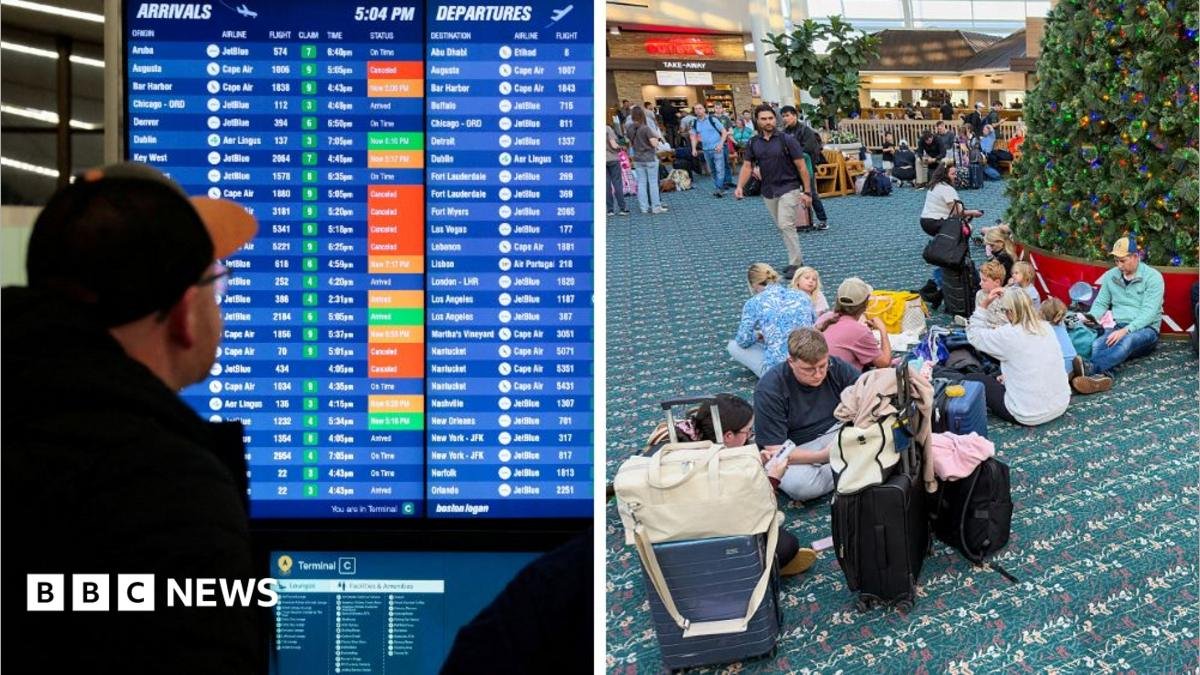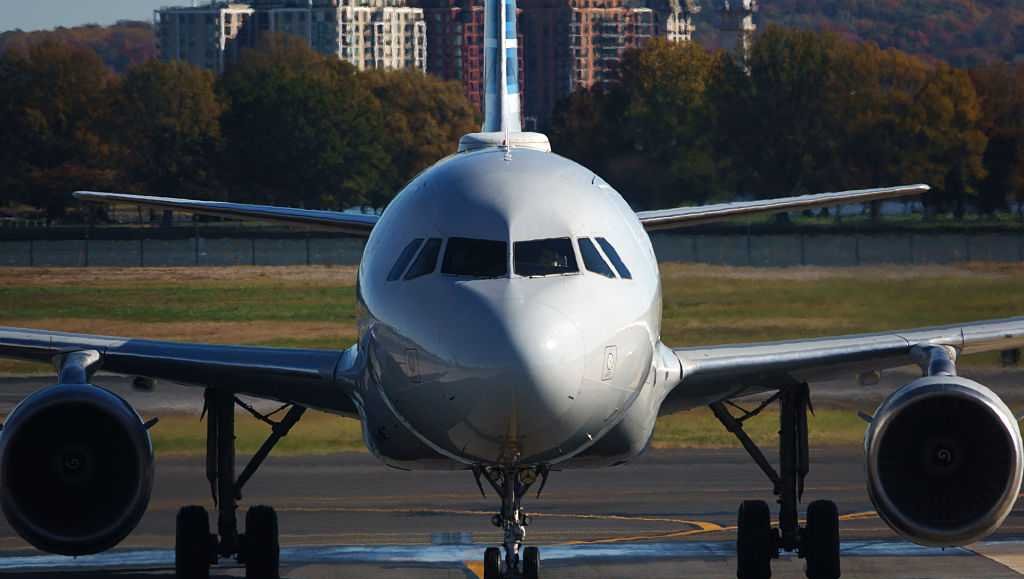








WASHINGTON — The Federal Aviation Administration (FAA) issued a nationwide ground stop on all flights Friday afternoon, citing critical communications failures across its regional air traffic control network. The sweeping order, which effectively paralyzed domestic air travel, was enacted due to what officials described as “extraordinary circumstances” necessary to ensure passenger safety.
Transportation Secretary Sean Duffy confirmed that the outage is affecting all 22 regional air traffic control centers, which serve as the primary hubs for directing aircraft currently in transit across the country. FAA technicians are currently working to isolate the root cause of the failure, but as of Friday evening, there was no set timeline for when flights would resume.
This marks the first nationwide ground stop for the agency since January 2023, when a significant computer system malfunction forced a similar shutdown. Historically, such widespread interruptions are extremely rare, with the only prior precedent occurring in the immediate aftermath of the September 11, 2001, terrorist attacks.
Secretary of Homeland Security Markwayne Mullin moved quickly to reassure the public that there is currently no evidence of foul play. “There is no indication that this was a nefarious attack against us,” Mullin stated. “It is just a telecommunications outage. Everybody is safe; there is no reason to be concerned about your loved ones if they are flying.”
While investigators are examining potential factors, Mullin noted that they are reviewing whether the outage is connected to the FAA’s recent rollout of a new artificial intelligence system designed to reroute planes and identify logistical bottlenecks. However, officials noted that the AI system operates independently out of a facility near Washington, D.C., and functions largely in an advisory capacity to the regional centers.
The outage has reignited a heated debate regarding the aging infrastructure of the U.S. aviation system. Last year, Congress approved $12.5 billion for an overhaul aimed at replacing outdated technology, including the modernization of aging radio systems and the replacement of antiquated copper wiring with high-speed fiber optic lines. Despite these efforts, aviation experts emphasize that the system remains vulnerable.
Steve Arroyo, a former United Airlines pilot and aviation safety expert, observed that Friday’s crisis mirrors a September communication outage that disrupted flights across the Northeast, though the scale of this event is significantly more severe.
“If you don’t have the ability to communicate—whether it’s because the old wires are run down or for any other reason—you have to stop airplanes on the ground,” Arroyo said. “You cannot put them in the air when you risk losing contact with them.”
Arroyo noted that while the situation is serious, it differs from the post-9/11 grounding, as current pilots maintain the ability to communicate with local ground controllers at their respective airports. With the White House currently lobbying Congress for an additional $30 billion to complete the multi-year infrastructure project, the event serves as a stark reminder of the challenges facing the nation’s air traffic system.
Disclaimer: This content is auto-generated for informational purposes only.
Source: Read Original News