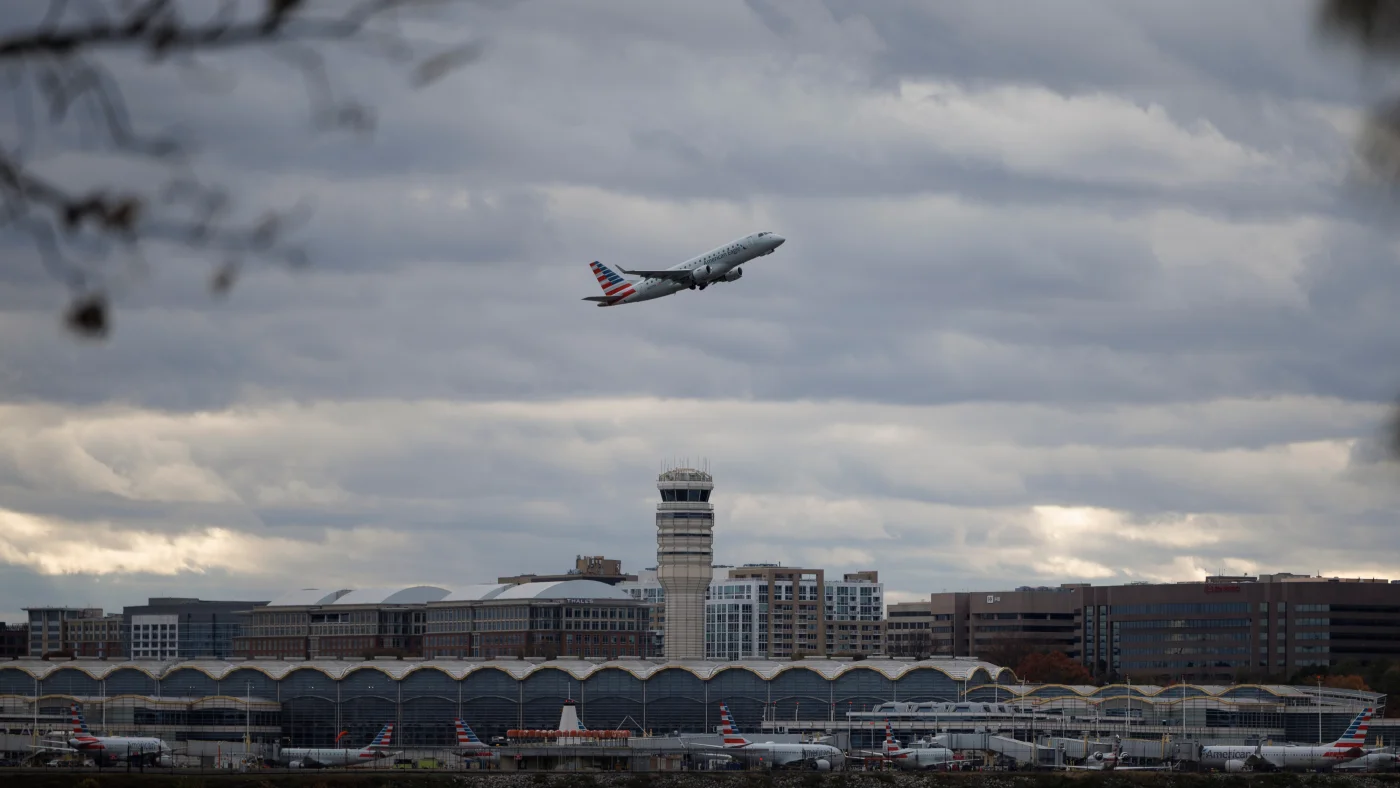







A sweeping ground stop issued by the U.S. Federal Aviation Administration (FAA) has paralyzed air travel across North America, forcing major disruptions for passengers flying between Canada and the United States.
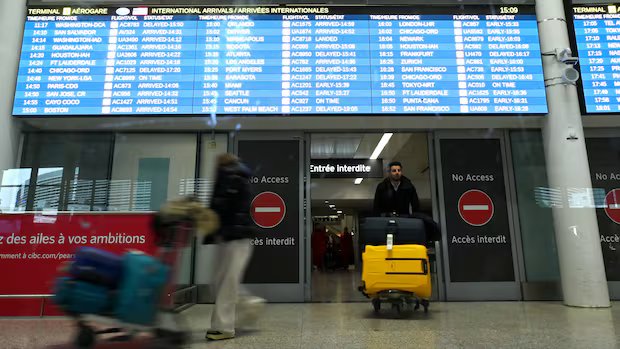
Toronto Pearson Airport confirmed the severity of the situation Friday, stating that there are “no scheduled U.S.-bound departures or arrivals at this time.” Passengers are being urged to avoid heading to terminals without first verifying their flight status directly with their respective airlines. Billy Bishop Toronto City Airport has issued similar guidance, warning travellers to expect potential delays and cancellations as the situation unfolds.
The disruption stems from critical communication issues within the U.S. air traffic control system. NAV Canada, the organization responsible for managing Canada’s civil air navigation services, confirmed it has implemented traffic management measures at major hubs, including Montréal Trudeau, Calgary, and Vancouver. While NAV Canada emphasized that domestic systems remain operational, they are closely monitoring the situation to assist with any diverted aircraft entering Canadian airspace.
Federal Transport Minister Steven McKinnon took to social media to reassure the public that the Canadian government is in constant contact with aviation authorities. “While Canadian systems are operating normally, travel to the United States may be disrupted as a result of the ground stops,” McKinnon stated, adding that officials are monitoring developments as they evolve.
Aviation experts are describing the event as a significant logistical crisis. John Gradek, an operations and integrated aviation management professor at McGill University, noted that the lack of communication between air traffic controllers and pilots presents a severe safety risk.
“If there is no communication between the air traffic controllers and the airlines, we have accidents that could possibly happen,” Gradek told CBC’s Here and Now. He compared the scope of the incident to the shutdown following the September 11, 2001, terrorist attacks, noting that while the circumstances differ, the operational impact is historic. “This is interrupting the whole of North American airspace,” he added.
Duncan Dee, former chief operating officer for Air Canada, warned that the “ripple effect” will be felt by travellers for days. Beyond the immediate flight cancellations, airlines are now faced with the monumental task of reassembling complex schedules while aircraft sit grounded at airports across the continent.
“Airlines are going to have to reassemble their schedules not knowing what’s going to happen over the next few hours,” Dee said.
While some regional facilities, such as the John C. Munro Hamilton International Airport, reported that their operations remain unaffected, the vast majority of cross-border travel remains in a state of flux. Authorities have advised all passengers to remain patient and exercise caution, as the timeline for the restoration of normal flight operations remains unclear.
Disclaimer: This content is auto-generated for informational purposes only.
Source: Read Original News