







The Hidden Winter Garden Challenge
As the temperatures drop and we settle into the cozy rhythm of November, many of us turn our attention indoors. We start pulling out the chunky knit sweaters, brewing extra pots of tea, and preparing our living spaces for the darker days ahead. It is easy to assume that our gardens are also winding down for a well-deserved nap, but the reality is quite different. While the frost might be nipping at our fingertips, your garden is still very much active—and so are the uninvited guests who want to make a meal out of your greenery.
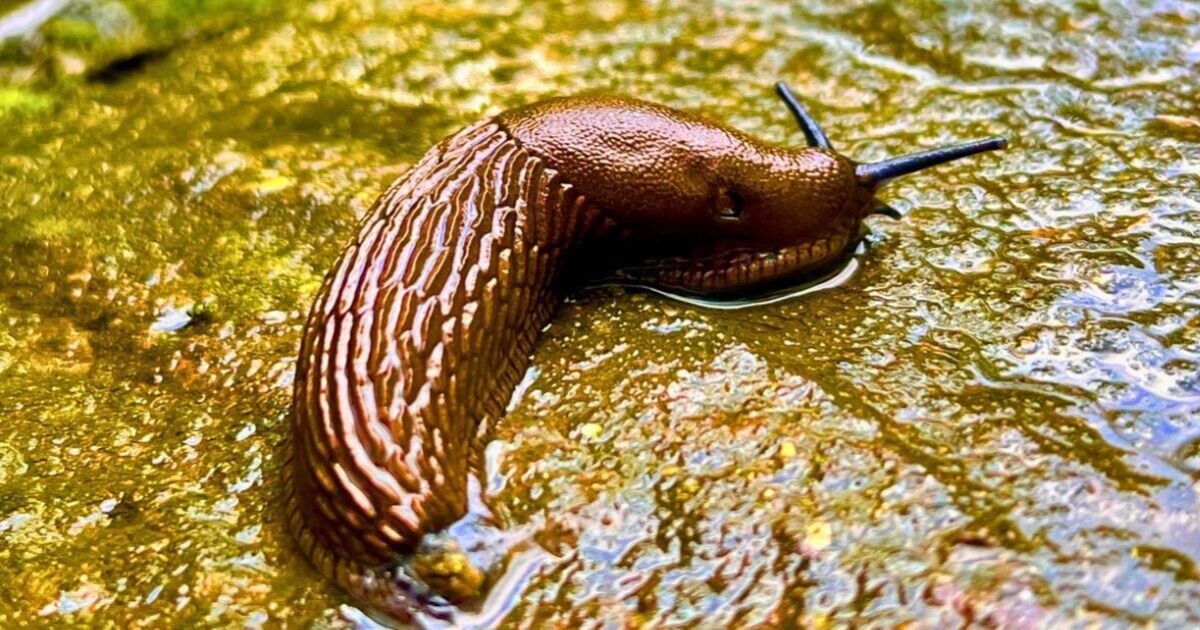
Slugs are the quiet agitators of the garden world. They do not seem to mind the cold, damp November air at all. In fact, they view your lingering foliage as an open invitation for an evening buffet. When plants lose their leaves during this season, they become exceptionally fragile, making them susceptible to frost damage and disease. If a slug decides to take a bite, it sets your plants back significantly, meaning they will have a harder time bouncing back when the spring sunshine finally returns. Protecting your hard work does not have to be a complicated or expensive ordeal, though. In fact, the answer might be sitting in your fruit bowl right now.
The Citrus Solution
If you have been looking for a way to manage garden pests without resorting to harsh, store-bought chemicals, you are in luck. Mike McGroarty, a seasoned plant propagator, suggests a method that is as thrifty as it is clever. The secret? Orange peels. It sounds counterintuitive to place something that slugs love right into your garden, but the logic is sound. By placing these citrus rinds near your most vulnerable plants, you are effectively creating a diversion.
Slugs have a natural affinity for citrus. They are drawn to the moisture trapped within the peel and the sweet, fermented scent that develops as the fruit begins to decay. Think of it as a neighborhood tavern for slugs; they will congregate there in large numbers, leaving your precious flowers and shrubs alone. This method turns your garden cleanup into a quick morning routine, allowing you to deal with the pests in a concentrated area rather than hunting for them under every leaf in the yard.
Setting Up Your Citrus Trap
Getting started is straightforward. Next time you enjoy an orange for a healthy afternoon snack, save the peels instead of tossing them in the bin. If you want to cover more ground, you can cut the rinds into smaller, manageable pieces.
Timing is everything when it comes to garden defense. Slugs are nocturnal creatures, so the best strategy is to place your orange peel traps out in the evening, just as the sun sets and the air turns crisp. Position them near the plants you are concerned about, but keep a slight distance between the peel and the plant stem. If the peel touches the stem, you risk accidentally leading the slugs right to the food source you are trying to protect. By placing them on the soil a few inches away, you create a dedicated landing strip for the pests.
A Simple Morning Routine
Part of the charm of this method is how easily it fits into a daily cycle. Each morning, head out to your garden with your gloves on. You will likely find the peels occupied by the very slugs you were hoping to avoid. This is the moment to collect them. You can dispose of them as you see fit, though many gardeners find that dropping them into a bucket of soapy water is the most efficient and humane way to handle the situation.
Because the weather in November is often unpredictable, keep an eye on your orange rinds. If you get a heavy rain shower, the peels may lose their potency or wash away, so it is a good idea to refresh them as needed. This simple, cost-free habit not only helps your plants survive the winter but also keeps your garden soil free from unnecessary synthetic treatments.
Cultivating a Resilient Garden
Embracing small, natural practices in your gardening life feels rewarding. It shifts your perspective from fighting against nature to working alongside it. When you manage your garden with thoughtful, everyday items like citrus, you are taking a proactive step toward a healthier, more resilient landscape.
As you spend your November days focusing on your own comforts—wearing your favorite cashmere wrap, enjoying a warm meal, and organizing your home—it is comforting to know your garden is also being looked after. By utilizing the things you already have, you ensure that come spring, your plants are strong, healthy, and ready to bloom. It is a small act of care that pays off in the long run, proving that even in the middle of a chilly November, your garden can still thrive with just a little bit of attention.
Disclaimer: This content is auto-generated for informational purposes only.
Source: Read Original News