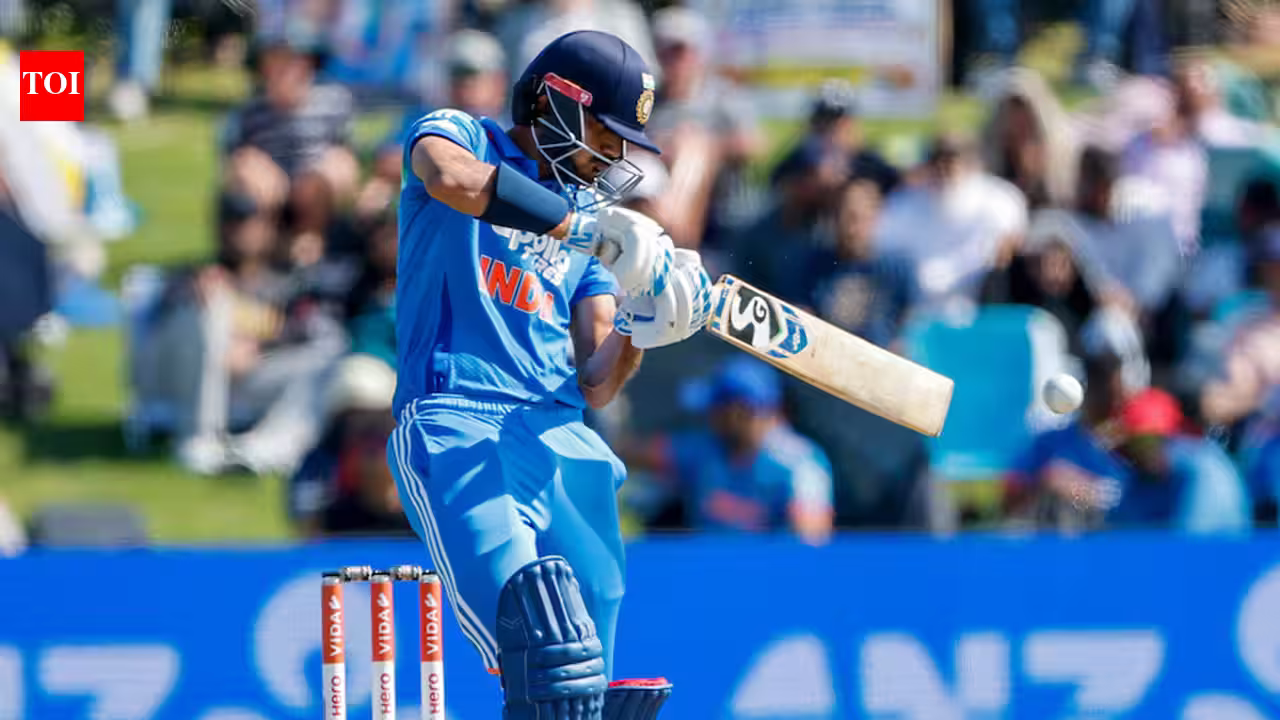









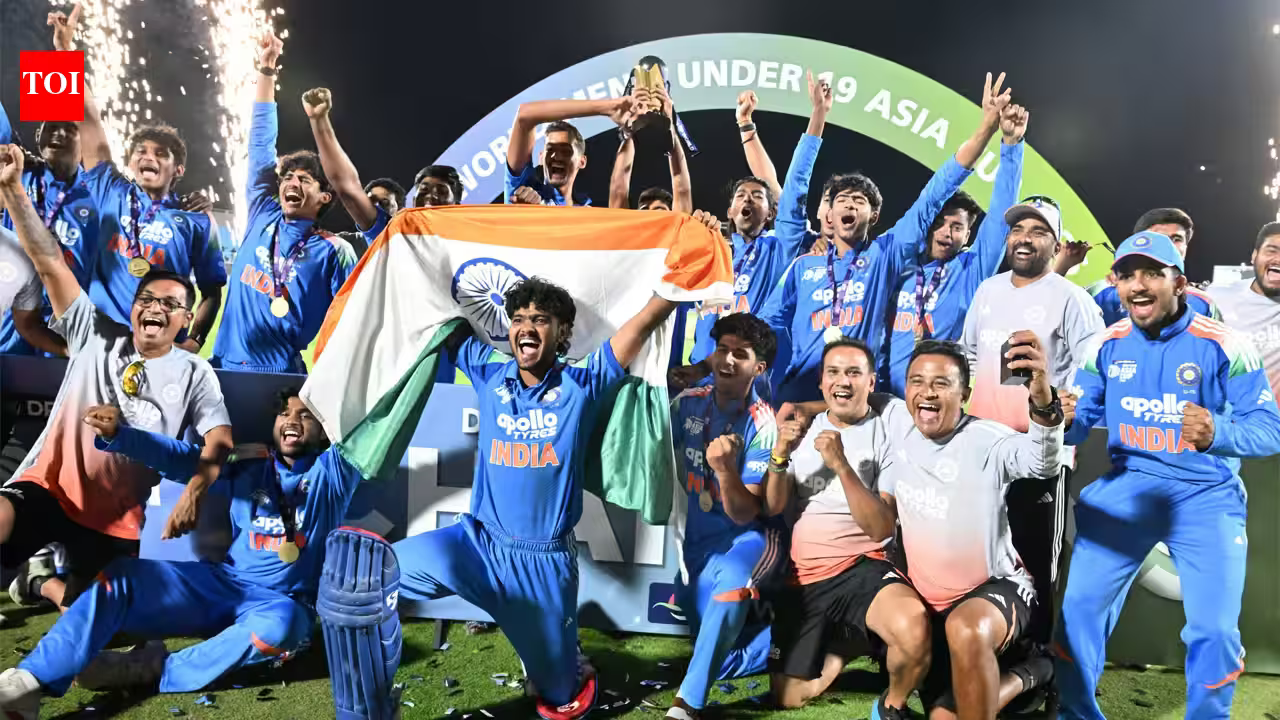
NEW DELHI: The echoes of victory are still resonating across the cricketing landscape as India’s Under-19 squad returns home following a breathtaking triumph at the Asia Cup in Al Amerat, Oman. While the team’s collective resilience ultimately secured the trophy, the tournament served as a definitive coming-out party for Aaryavir Sehwag, whose explosive brand of cricket has left observers and teammates alike in awe.
For Indian captain Lakshya Raichandani, the campaign was more than just a trophy win; it was a masterclass in man-management and tactical discipline. Central to this success was the aggressive batting display of Sehwag, whose dominance at the top of the order allowed the rest of the lineup to breathe.
## The Sehwag Effect: Pressure Transferred
Aaryavir Sehwag finished the tournament as the leading run-scorer, accumulating a staggering 361 runs across just five innings. Beyond the sheer volume of runs, it was his strike rate and intent that caught the eye. Raichandani, reflecting on his opening partner’s impact, noted that the psychological advantage Sehwag provides is perhaps his greatest asset.
“He’s a really good batter and a wonderful human being,” Raichandani said. “When he bats, it takes some pressure off the batter at the other end because of the way he plays. It also makes batting easier on the track, as he puts the opposition bowlers under pressure and forces them to release that pressure by offering loose deliveries to the other batter.”
This “trickle-down” effect of aggressive batting has long been a hallmark of the Sehwag lineage, and it appears the young opener has mastered the art of forcing bowlers into uncomfortable positions early in the innings. By punishing anything stray, Sehwag effectively creates a shield for his teammates, allowing them to settle in without the looming anxiety of a rising required run rate.
## ‘We Never Stopped Believing’: The Pakistan Narrative
The road to the title was far from smooth. India’s journey was defined by a rollercoaster encounter with arch-rivals Pakistan. After suffering a disappointing defeat in the group stage, many questioned whether the young Indian side had the mental fortitude to bounce back on the biggest stage of the tournament.
The final in Al Amerat provided the answer. In a tension-filled, nail-biting conclusion, India edged out Pakistan by a single wicket. According to Raichandani, that initial group-stage loss served as a critical catalyst rather than a deterrent.
“In the first match, our plan was quite simple. After losing, we realised the areas where we could improve and where we could have done better,” the captain explained. “That was one important takeaway. Overall, though, our plan remained the same, and we believed in our approach. We never stopped believing. We were quite optimistic, and we continued to believe in the team till the very end.”
This unwavering optimism proved to be the team’s North Star. In the high-stakes environment of an international final, keeping the faith after an early-tournament stumble is the hallmark of a champion-caliber squad.
## The Blueprint for Success
When asked about the tactical framework that enabled their consistency, Raichandani kept it refreshingly simple. The Indian coaching staff and the players arrived at a clear, actionable strategy: win the powerplay and ensure at least one “set” batter remains at the crease until the final overs.
“My approach was simple. If one batter gets set at one end and takes the innings deep, it makes the chase much easier,” said Raichandani. “Our approach was straightforward, and getting a good start in the powerplay was important. Hopefully, we managed to provide that start, and the plan after that was for one of the set batters to stay till the end.”
This clinical adherence to a game plan was evident in the final, where the team managed the scoreboard pressure with maturity beyond their years. As captain, Raichandani praised the rapport within the dressing room, describing the leadership experience as a “privilege.”
## Looking Toward the Future
The tournament has not only added another trophy to India’s illustrious youth cabinet but has also showcased a new generation of talent ready to transition to the professional level. With Sehwag’s breakout performance and Raichandani’s steady hand at the helm, the future of the Indian batting order appears to be in safe, albeit aggressive, hands.
As the squad disperses to join their respective state academies and training camps, the lessons learned in the heat of the Oman summer will likely remain with them for years to come. They have proven that talent alone is insufficient; it is the combination of tactical clarity, mutual belief, and the courage to apply pressure that separates the contenders from the champions.
For Aaryavir Sehwag, the player-of-the-tournament accolade is just the beginning. For Lakshya Raichandani and his resilient team, the Asia Cup triumph is a testament to the fact that when a team hits their stride in unison, no pressure is too great to overcome.
Disclaimer: This content is auto-generated for informational purposes only.
Source: Read Original News