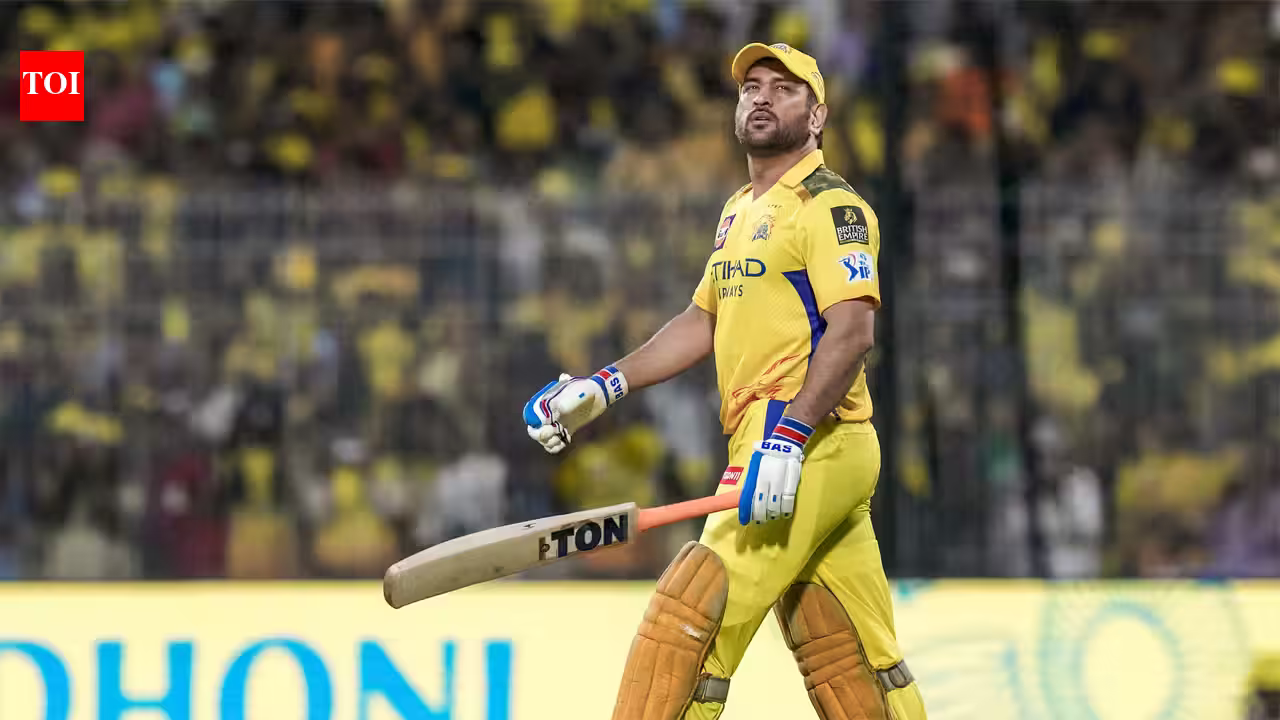










CRICKET FANS across the globe are bracing for a seismic shift in the international landscape as the latest developments in the sport signal a new era of tactical innovation and physical endurance. The image of professional cricket has undergone a radical transformation over the past decade, and the current state of play suggests that the ceiling for performance is being shattered at an unprecedented rate. As leagues expand and the international schedule becomes increasingly congested, the discourse has shifted from mere survival to the pursuit of absolute dominance through advanced data analytics and hyper-specialized training regimens.
The Data-Driven Revolution
Modern cricket is no longer played solely on the pitch; it is played in the boardrooms and analytical hubs where margins are calculated to the second decimal point. Teams are increasingly reliant on “match-up” data, identifying the microscopic weaknesses in a batter’s stance or the specific release point that yields the highest probability of a wicket. This systematic approach has effectively neutralized the “gut feeling” coaching of the past, replacing it with a cold, calculated strategy that prioritizes efficiency above all else.
The impact is palpable. Bowlers are now incentivized to bowl “negative” lines if the data suggests that a batter’s strike rate drops significantly in that corridor, while batters are encouraged to manufacture shots that were previously deemed high-risk. This shift has turned the middle overs of a white-ball game into a high-stakes chess match where the king is often forced to move before the checkmate is even threatened. Players have adapted, evolving into hybrids—batters who can bowl effectively and bowlers who can hold their own under pressure in the final over of a chase.
Physicality and the Rise of the Hybrid Athlete
The transformation of the individual cricketer is perhaps the most striking visual change in the sport. Gone are the days when fitness was secondary to technical flair. Today, a professional cricketer’s body is a high-performance machine. The emphasis on explosive power—necessary for clearing the ropes in the death overs—has forced players to adopt intense strength and conditioning programs that rival those of professional footballers and rugby players.
This physical evolution has brought about a rise in field-level athleticism that was unimaginable twenty years ago. Spectacular boundary catches, once rare highlight-reel moments, are now considered the standard expectation for a modern professional. Diving, throwing, and rapid-fire sprint speed have become vital components of the game, creating a culture where one’s contribution to the team is measured as much by their mobility in the outfield as their output with the bat or ball. Clubs are now investing heavily in sports science departments, monitoring everything from sleep patterns to caloric intake to ensure that the heavy workload of a year-round calendar does not lead to the dreaded burnout that plagued previous generations.
The Global League Landscape
As domestic T20 leagues continue to proliferate, the traditional structure of international cricket is facing an existential dilemma. The “franchise-first” model is drawing top-tier talent away from bilateral series, forcing governing bodies to re-evaluate how they compensate their stars and schedule their marquee events. While some traditionalists bemoan the dilution of the five-day Test match, the commercial success of these leagues provides the very financial backbone that supports grassroots development and international operations.
The challenge, therefore, lies in balance. How does the sport maintain the prestige of its historic formats while embracing the rapid-fire entertainment that attracts new audiences? Recent initiatives, such as the introduction of the World Test Championship, suggest a path forward—one where every match carries historical weight and championship significance, preventing the feeling of meaningless competition that often stifles interest in multi-format tours.
Future Horizons and Technological Integration
Looking toward the horizon, the role of artificial intelligence in cricket is expected to grow exponentially. We are moving toward a future where real-time tracking during matches will allow for instantaneous adjustments in field settings and bowling changes based on predictive modeling. Furthermore, the push for more equitable pitches and the refinement of ball-tracking technology continue to spark debates regarding the balance between bat and ball.
However, amidst the algorithms and the high-tech training kits, the soul of the game remains tethered to the individual duel. No matter how much data is fed into a processor, the fundamental contest between the bowler’s precision and the batter’s intuition remains the heartbeat of the sport. The pressure of the final over, the silence of a stadium waiting for a bouncer, and the raw emotion of a Test match victory are elements that transcend technology.
As the sport continues its rapid evolution, the players who will define the next decade are those who can bridge the gap between human instinct and machine precision. They must be athletes in the truest sense—mentally resilient, physically superior, and tactically agile. Cricket is not merely keeping up with the modern world; it is actively rewriting its own rules to ensure that it remains the most captivating spectacle in global sports. For the fans, the message is simple: stay tuned, because the next chapter of this storied game promises to be faster, harder, and more exhilarating than anything we have witnessed before.
Disclaimer: This content is auto-generated for informational purposes only.
Source: Read Original News