






For the second consecutive year, the Afghan Taliban has been excluded from the United Nations Climate Change Conference. Following a solitary appearance as observers at COP29 in Baku in 2024, the group was left off the invitation list for both COP30 in Brazil and the ongoing COP31 in Turkiye. This diplomatic isolation effectively bars Afghanistan from formal participation in global climate negotiations, a precarious position for a nation consistently ranked among the most vulnerable to the escalating climate crisis.
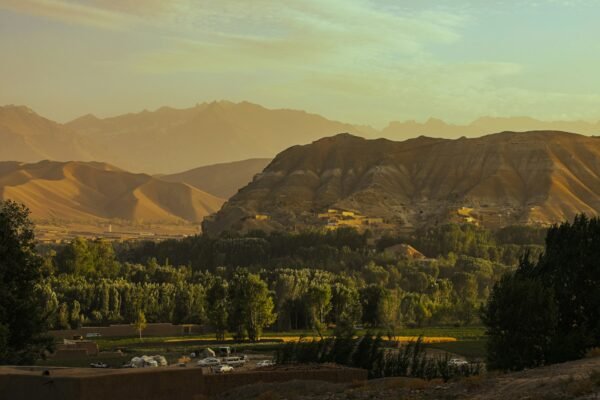
The environmental reality in Afghanistan is increasingly dire. Data from the country’s National Environmental Protection Agency indicates that temperatures rose by 1.8 degrees Celsius between 1950 and 2010—a rate double the global average. This warming has catalyzed a cycle of environmental degradation, including recurrent droughts, unpredictable precipitation, and intensified flooding, which collectively affect approximately 200,000 people annually. With 80 percent of livelihoods tied to agriculture, these climatic shocks are not merely environmental concerns; they are direct threats to the nation’s economic stability and food security.
Beyond geography, Afghanistan’s crisis is one of governance. Since taking power in 2021, the Taliban have failed to establish an inclusive or coherent environmental framework. While the regime has taken symbolic steps—such as banning the timber trade and creating a “Green Unit” to monitor forests—these efforts are often reactive rather than strategic. The recent pledge to plant 200 million trees by 2030 remains a lofty goal that observers argue is hampered by a lack of institutional capacity and sustainable funding.
The absence of a dedicated climate ministry complicates matters further, with policy oversight split between the National Environmental Protection Agency (NEPA) and the Ministry of Agriculture, Irrigation and Livestock. This fragmented approach is mirrored in the country’s deepening resource management crisis. Over 75 percent of the land in northern, western, and southern Afghanistan is currently suffering from desertification. Concurrently, poverty-driven reliance on coal and firewood for heating and cooking continues to drive deforestation and air pollution, as the regime has yet to provide affordable energy alternatives for its citizens.
Furthermore, the Taliban’s pursuit of short-term economic gain through unregulated mining and coal extraction has introduced additional hazards, including the contamination of vital water sources and land degradation. These practices underscore a fundamental disconnect between the regime’s immediate fiscal needs and the long-term imperative of climate resilience. Efforts to manage water scarcity—such as the construction of irrigation networks and dams—remain stunted by international sanctions and the suspension of development assistance, which reportedly blocked $805 million in environmental projects as early as 2022.
Experts argue that the Taliban’s centralized and exclusionary governance style is the greatest barrier to progress. Climate adaptation requires a multi-stakeholder approach involving scientists, civil society, and local communities—groups that have been systematically marginalized or suppressed by current authorities. Without public participation, data-driven policy, and transparency, environmental initiatives are unlikely to move beyond isolated enforcement efforts.
The international community faces a complex moral dilemma: how to engage with a regime it does not recognize while preventing a humanitarian collapse. With an estimated 40 percent of the Afghan population facing acute food insecurity in 2026, the link between environmental degradation and survival is undeniable. However, the onus remains on the Taliban to prioritize climate security as a national necessity rather than a peripheral issue. Until the regime pivots toward science-based governance and genuine cooperation, Afghanistan’s environmental decline will continue to pose an existential threat to its people, leaving a nation already exhausted by conflict to face the mounting pressures of a warming world in isolation.
Disclaimer: This content is auto-generated for informational purposes only.
Source: Read Original News