








We often focus our morning routines on finding the right outfit or perfecting a quick skincare regimen, but the most significant impact on your day actually happens in the kitchen. If you are like most people, you might be falling short of the recommended 30g of daily fibre. With recent data showing that only a tiny fraction of the population hits this target, it is clear that our breakfast bowls need a serious upgrade. Choosing the right cereal can be a simple way to support your gut, regulate your energy, and keep you feeling satisfied until lunch.
Understanding the Power of Roughage
Fibre is essentially the unsung hero of your digestive system. While your body cannot digest it, that is exactly why it works so well. Because it travels through your system mostly intact, it acts as a stabilizing force. It slows down how quickly your body absorbs sugar, preventing those mid-morning crashes that often have us reaching for a second cup of coffee or a sugary snack.
Beyond keeping your energy steady, fibre helps clear out waste products, such as excess cholesterol. It takes up space in your stomach, which naturally keeps you feeling fuller for longer. When you prioritize high-fibre ingredients, you are not just ticking a box for health; you are setting yourself up for a smoother, more productive morning.
Navigating the Cereal Aisle
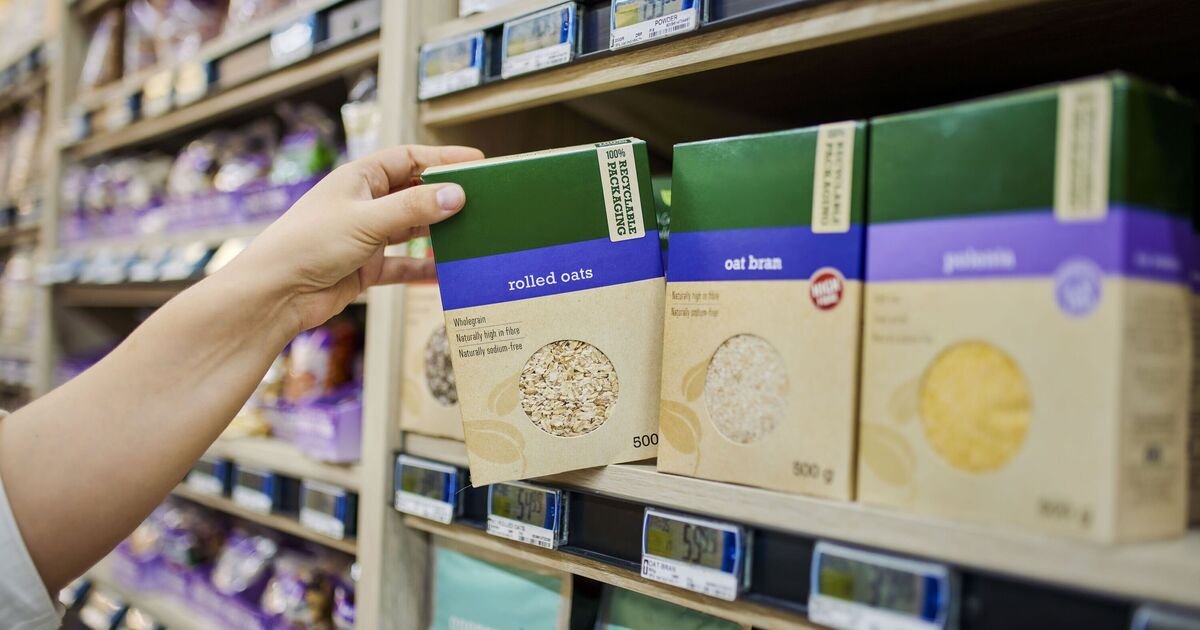
Walking through the supermarket, it is easy to get distracted by colourful boxes and clever marketing. However, if you want to increase your intake, you have to look past the branding and check the label. Not all products marketed as “healthy” are created equal. Some are packed with hidden sugars that dilute the benefits of the grains.
When comparing products, look for brands that keep the bran content high. High-bran cereals often top the charts for density. For example, some dedicated bran cereals reach up to 26g of fibre per 100g, providing a massive head start on your daily goal. By choosing these over processed alternatives, you are getting more nutrients in every bite.
Smart Swaps for Better Breakfasts
If you are a fan of bran flakes, you have plenty of variety. While many people gravitate toward well-known household names, supermarket own-brand versions often match or even exceed them in quality while being kinder to your wallet. For instance, certain store-brand bran flakes manage to keep the sugar count lower than their branded counterparts while maintaining a high fibre count.
The same logic applies to wheat biscuits. Many store-brand versions use the same reliable base as premium goods but provide a slightly higher fibre yield for a fraction of the cost. If you prefer a warmer bowl of oats, reach for jumbo whole rolled oats rather than instant packets. Because jumbo oats are less processed, they retain more of the grain’s natural structure. This creates a heartier, chewier texture and ensures a slow, steady release of energy that lasts through your morning meetings.
Getting Creative with Muesli and Granola
For those who find standard cereal a bit dull, there are plenty of ways to enjoy fibre-dense meals without sacrificing taste. Look for muesli blends that feature high percentages of oats and natural additions like dried fruit, which keep the fibre density high. Avoid products that rely on added syrups or skimmed milk powders, as these often push the sugar content up and reduce the overall health value of the meal.
Granola can also be a hidden gem if you check the ingredients list. Look for varieties that incorporate nuts like almonds or seeds like sunflower. Almonds are naturally rich in dietary fibre, and when they are combined with a solid oat base, they turn a simple breakfast into a nutrient-dense powerhouse. Even those who require a wheat-free diet have great choices available, with some specialty flakes using brown rice and corn bran to achieve a fibre content that dwarfs standard alternatives.
Putting it Together
Increasing your fibre intake does not require a complete overhaul of your lifestyle. It simply requires a bit of awareness during your weekly shop. By making these small adjustments—swapping your usual box for one with a higher bran percentage, opting for jumbo oats, or choosing a nut-heavy granola—you are making a lasting investment in your health. Remember, the goal is consistency. Once you find a high-fibre option that you genuinely enjoy eating, the task of reaching that 30g target becomes a natural part of your morning flow rather than a chore. Your body will definitely thank you for the extra fuel.
Disclaimer: This content is auto-generated for informational purposes only.
Source: Read Original News