








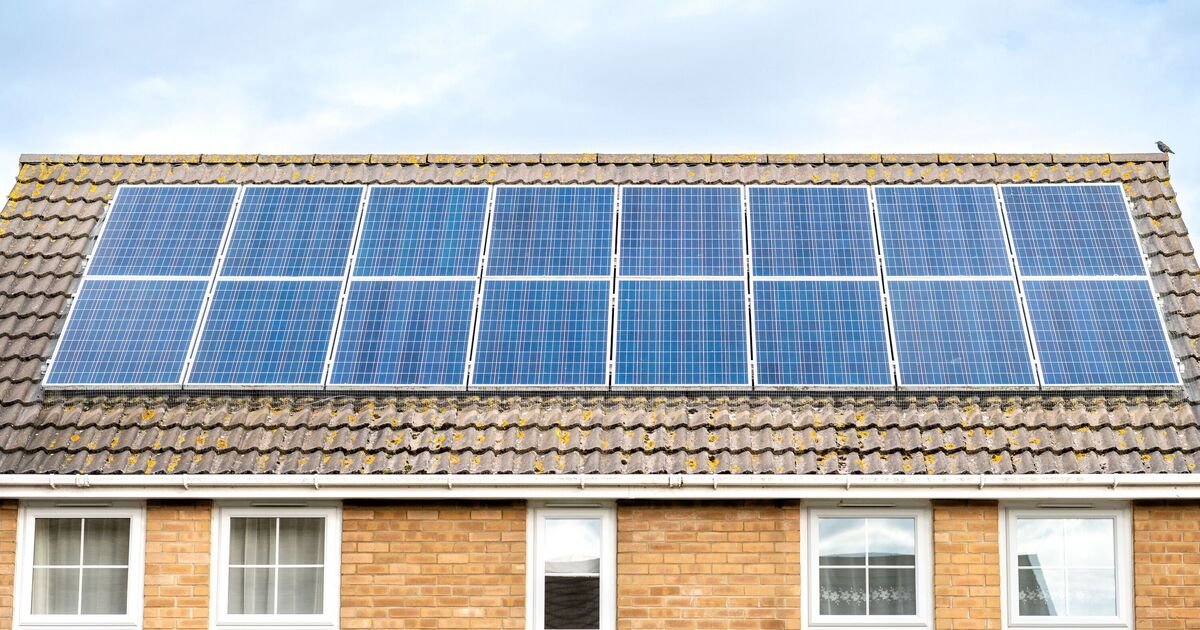
When we think about solar power, the common image is a sprawling roof covered in shiny, dark panels that require a professional construction crew and a massive investment. For many, that mental picture stops them from even considering renewable energy. However, recent data suggests that a large number of us have been operating under a misconception about how green energy actually works in the modern home.
The Myth of the Massive Roof
It is a common belief that to participate in solar energy, one needs a detached house with a roof large enough to rival a small airfield. Research shows that more than four in ten people believe a sprawling roof is a prerequisite for solar technology. This belief is likely what keeps many urban dwellers and apartment residents from looking into energy-saving upgrades.
The reality is far more flexible. The emergence of plug-in solar technology has changed the landscape entirely. These systems are designed for smaller footprints, such as balconies, patios, or even walls. Because these panels can be mounted temporarily and moved between properties, they remove the geographic hurdles that once kept solar power out of reach for those living in flats or smaller townhouses.
Renters Can Finally Join the Party
One of the most persistent barriers to home improvement for many is the status of their property. Many renters assume that unless they hold the deed, they are locked out of the world of sustainable technology. Almost half of all renters surveyed felt that not owning their home made it impossible to consider solar power, with a large majority believing that landlord permission is an insurmountable hurdle.
While it is always wise to keep communication open with a property owner, the portability of modern plug-in systems means that you are no longer making a permanent alteration to the structure of the building. Being able to take your setup with you when you move is a game changer for anyone who values mobility but still wants to take a proactive approach to their electricity consumption.
Focusing on the Bottom Line
If you look at the primary motivation for adopting solar technology today, it is rarely about keeping up with trends. Instead, it is firmly rooted in practical economics. Most people who look into these systems are doing so because they want to take control of their rising utility bills.
While environmental benefits are a nice bonus, the data confirms that price-driven decisions are the real engine behind the interest in renewables. A standard plug-in system can potentially save a household a significant amount annually. When you factor in the ability to generate your own electricity, the conversation shifts from a philosophical debate about sustainability to a smart, calculated move for your personal finances.
What to Look for Before Buying
If you are starting to weigh the benefits, it is important to cut through the jargon and focus on what truly matters for your wallet. When browsing for systems, look for clarity on three key areas: the upfront cost, the estimated annual savings, and the production guarantee.
Many consumers are looking for a straightforward answer regarding how much electricity a system will actually generate. Knowing exactly what to expect helps remove the guesswork. Additionally, consider if the system allows you to export excess power. While not every setup will facilitate selling energy back to the grid, those that do can provide an extra layer of financial security.
Ultimately, the goal is to make energy independence feel less like a complex, professional construction project and more like a standard home appliance purchase. By focusing on what is achievable in your specific living space, you can start building a more efficient home, regardless of whether you have a large roof or just a sunny corner of a balcony. With technology becoming more accessible, taking control of your energy costs is now a goal within reach for everyone.
Disclaimer: This content is auto-generated for informational purposes only.
Source: Read Original News