









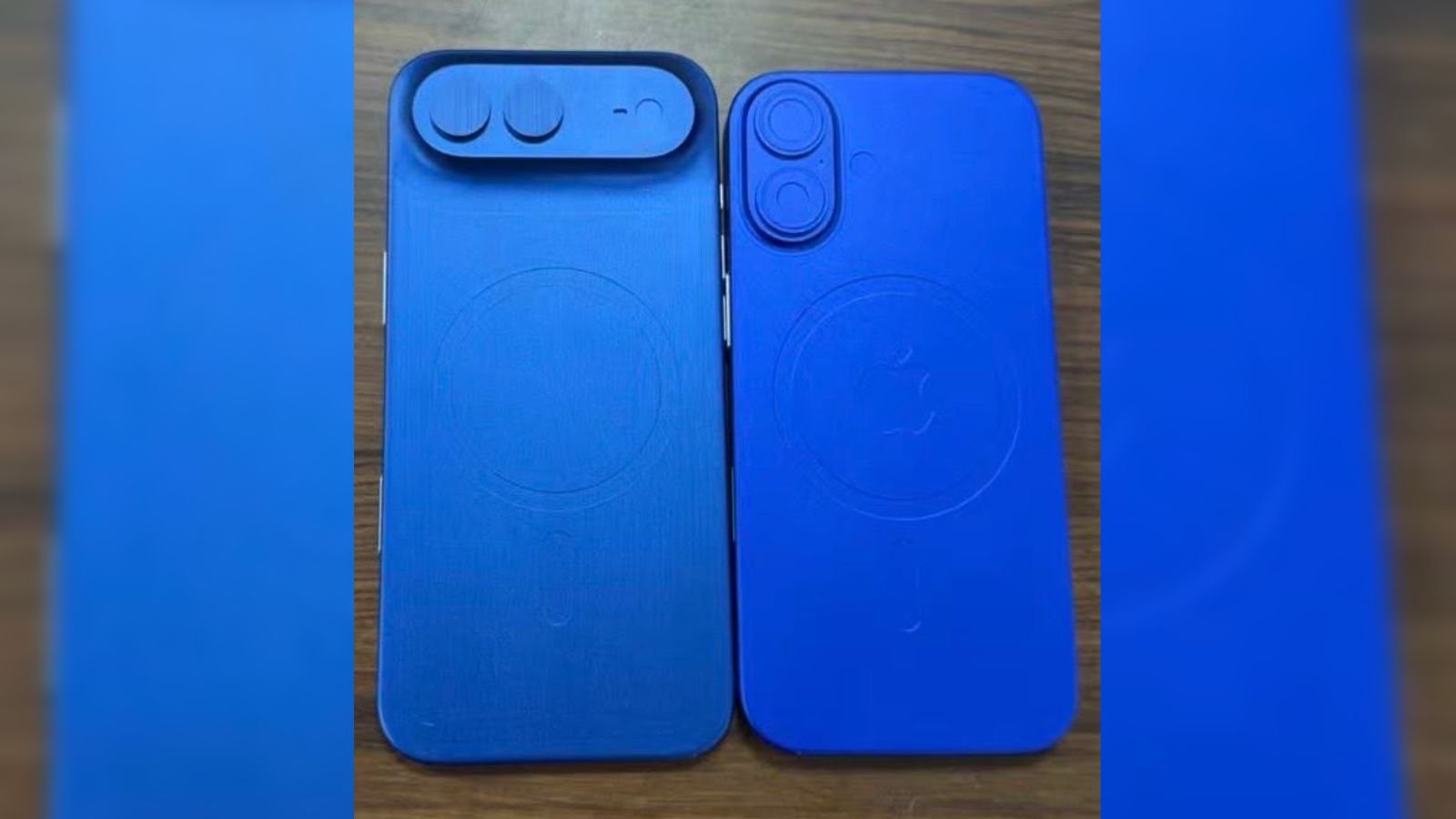
Visualizing the Future: Analyzing the iPhone Air 2 and iPhone 18 Dummy Models
Recent imagery of dummy units circulating in the industry has provided a concrete look at the anticipated design language for Apple’s upcoming hardware lineup. These physical mockups, which serve as foundational tools for third-party accessory manufacturers, highlight distinct hardware directions for the second-generation iPhone Air and the standard iPhone 18. By examining these models, industry observers can discern clear shifts in camera hardware architecture and form-factor constraints that define the 2027 product trajectory.
The most notable development in these dummy models is the configuration of the rear camera systems. The iPhone Air 2, which previously relied on a single 48-megapixel sensor, appears to be transitioning to a dual-lens array. This marks a significant evolution for the device, which was initially positioned as a slim, streamlined alternative to the flagship models. The dummy units display these two lenses arranged horizontally on a raised, wide plateau, suggesting a departure from the compact aesthetic of the original model. In contrast, the standard iPhone 18 retains a design continuity with the previous generation, utilizing a vertical lens stacking within a smaller, pill-shaped protrusion.
The Role of Supply Chain Mockups in Tech Reporting
Dummy models are nonfunctional replicas constructed based on precise schematics and leaked dimensions harvested from supply chain databases. These units are essential components of the mobile ecosystem; they allow case manufacturers and peripheral developers to finalize their product specifications months before a device is officially unveiled. Because accurate dimensions are a commercial necessity for these companies, these dummy units are highly reliable sources for identifying design changes regarding button placement, bezel proportions, and camera housing dimensions.
While these models lack internal components and software functionality, their physical dimensions provide empirical data on how hardware internal volume is being managed. The specific arrangement of the camera sensors on the iPhone Air 2 dummy implies that Apple has re-engineered the internal chassis to accommodate a more sophisticated optical stack without compromising the device’s signature thin profile.
Evolution of Optical Capabilities in the iPhone Air Series
The transition to a dual-camera system for the iPhone Air 2 addresses a primary criticism of the inaugural model. Technical reports and analyst projections indicate that the new system will likely incorporate a 48-megapixel Ultra Wide lens to complement the primary Fusion sensor. This addition serves a clear functional purpose: it expands the photographic field of view, providing a versatile toolset that brings the Air lineup closer to the utility of the Pro series while maintaining its specific hardware footprint.
Incorporating a second lens necessitates sophisticated thermal and space management. Persistent rumors and engineering reports suggest the inclusion of vapor chamber cooling technology to dissipate heat effectively in a thinner chassis. This is a critical engineering requirement, as a more capable sensor array paired with higher-end processing power generates significant heat that must be managed to prevent performance throttling during high-resolution video capture or intensive computational photography tasks.
Core Hardware Upgrades and Internal Specifications
Beyond the exterior aesthetics, the iPhone Air 2 is expected to feature significant internal performance enhancements. Industry projections suggest the integration of the A20 Pro chip, a processing powerhouse designed to handle the increased data throughput from the upgraded camera system. Complementing this is a reported jump to 12GB of RAM, a substantial increase that supports the demands of advanced on-device artificial intelligence and more complex multitasking capabilities.
The standard iPhone 18 is also slated for performance adjustments, including the A20 chip and the adoption of Apple’s C2 modem for improved connectivity efficiency. While the standard model may not feature the radical design shifts seen in the Air series, it is expected to benefit from display improvements, such as a reduced Dynamic Island footprint. Memory capacity for the base model remains a subject of analysis, with forecasts suggesting a potential increase to 9GB or 12GB, moving beyond the 8GB baseline of its predecessor to support future operating system demands.
Connectivity and Future-Proofing for 2027
Connectivity remains a focal point for the 2027 hardware refresh. The move toward the C2 modem suggests a focus on energy efficiency and network throughput, ensuring the devices remain capable of utilizing high-speed cellular infrastructure. Furthermore, the inclusion of the N2 wireless networking chip is anticipated to enhance local connectivity, potentially improving data transfer speeds and reducing latency for wireless device interactions.
The consistent reporting regarding a unified launch timeframe—projected for March 2027—indicates that Apple is moving to consolidate its release cycles across these distinct product lines. By introducing the iPhone Air 2 and the standard iPhone 18 alongside the entry-level iPhone 18e, the company appears to be streamlining its mobile portfolio. These dummy models serve as a prelude to a significant hardware update that balances the demand for ultra-portable hardware with the requirement for increasingly sophisticated camera and processing performance. As accessory manufacturers finalize their designs, these mockups confirm that while the external silhouettes may feel familiar, the internal capabilities of the next generation of iPhones are undergoing a substantial, performance-oriented revision.
Disclaimer: This content is auto-generated for informational purposes only.
Source: Read Original News