







India Firm on Indus Waters Treaty Stance as Pakistani Minister Visits Delhi for SCO Forum
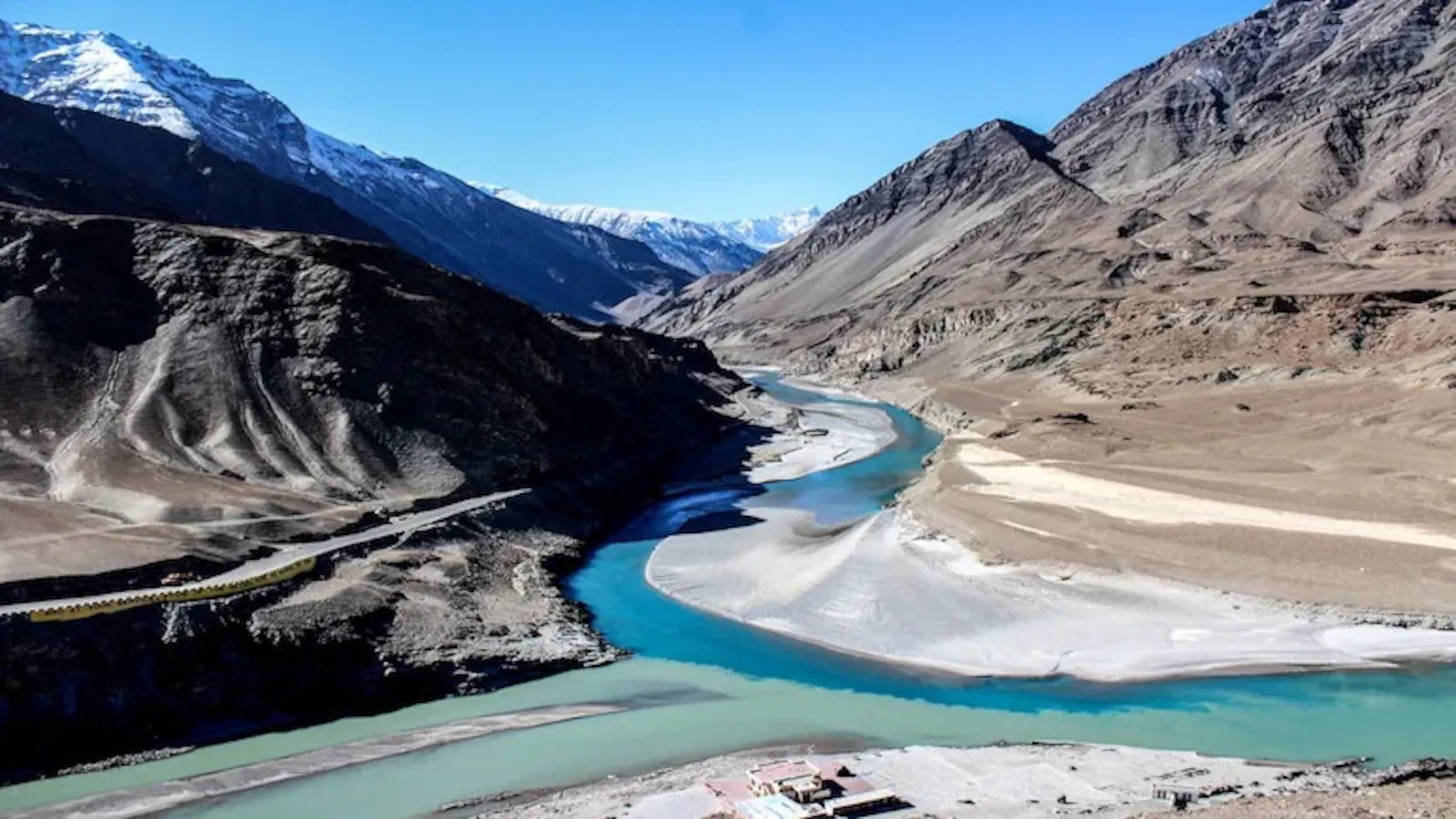
New Delhi has reiterated that its position regarding the Indus Waters Treaty (IWT) remains unchanged, brushing aside speculation following the arrival of Pakistan’s Climate Change Minister, Musadik Malik, in the national capital. Minister Malik is in India to participate in the three-day SCO Civilisational Dialogue Forum, marking a rare instance of a Pakistani ministerial visit since regional tensions spiked following the Pahalgam terror attack last year.
A Firm Diplomatic Stance
During his bi-weekly media briefing on Friday, Ministry of External Affairs (MEA) spokesperson Randhir Jaiswal addressed queries concerning Minister Malik’s presence and his recent remarks regarding water-sharing agreements. When asked how India perceives the participation of a minister who does not oversee culture—the theme of the forum—and has previously commented on the IWT, Jaiswal was unequivocal.
“As far as the IWT is concerned, we have made our position very clear, and that is where it remains. There is absolutely no change,” Jaiswal stated.
India officially suspended the long-standing water-sharing treaty in 2025. This decision was part of a series of punitive measures initiated by New Delhi following the April 22, 2024, terror attack in Pahalgam, which resulted in the loss of 26 lives and significantly heightened military hostilities between the two nuclear-armed neighbors.
Multilateral Framework vs. Bilateral Stagnation
Minister Malik’s arrival in New Delhi in the early hours of Friday signals a careful navigation of diplomatic protocols. The forum, held at the historic Purana Quila and inaugurated by Prime Minister Narendra Modi, is a multilateral event organized within the framework of the Shanghai Cooperation Organization (SCO).
The Indian government had extended invitations to all member nations of the SCO, including Pakistan, adhering to established multilateral practices. While some political analysts view the visit as a potential window for thawing relations through a neutral, multilateral platform, the Indian government has maintained a sharp distinction between SCO obligations and its bilateral policy toward Pakistan.
When approached by reporters on the sidelines of the event, Malik acknowledged the potential for cultural diplomacy, noting that “culture has a very key role to play” in fostering better understanding between nations. However, the MEA’s prompt clarification serves as a reminder that such participation does not imply a softening of India’s stance on core security and sovereign issues.
Context of the SCO Forum
The 1st SCO Civilisation Dialogue, running from November 20 to 22, is hosted by India’s Ministry of Culture and the Ministry of External Affairs. The SCO, an intergovernmental organization founded in 2001, counts Russia, China, and several Central Asian nations among its members, with India and Pakistan having joined as permanent members in 2017.
As the forum continues, the focus remains on the broader goals of the SCO. However, the presence of the Pakistani delegation remains a point of significant media interest, highlighting the persistent tension between the desire for regional cooperation and the reality of strained bilateral ties. For now, New Delhi has signaled that while it remains committed to its multilateral responsibilities, its policy on issues such as the IWT remains tethered to the broader security landscape of the subcontinent.
Disclaimer: This content is auto-generated for informational purposes only.
Source: Read Original News