








The Great Heating Debate
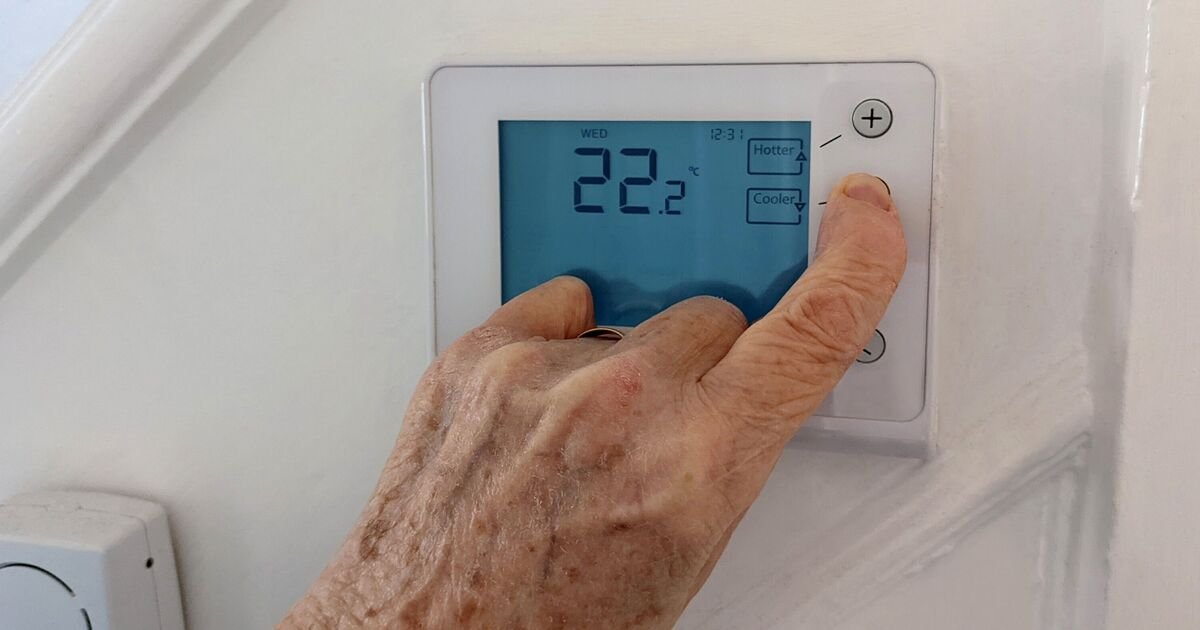
Winter has arrived with a frosty bite, and with the mercury dipping toward negative digits, the annual battle of the thermostat has officially begun. We have all heard the conflicting advice from neighbors, relatives, and internet forums. One camp swears by the “set it and forget it” method, insisting that keeping the house at a steady, low temperature is the secret to lower bills. The other camp is equally convinced that clicking the off switch whenever you step out is the only way to keep costs under control.
The reality is that your home is a unique puzzle. Factors like your boiler type, the thickness of your walls, and how much time you spend under your own roof play a massive part in determining which method saves you money. While the general consensus leans toward heating your home only when you actually need it, the nuances of modern technology mean there is no one-size-fits-all solution.
Why On-Demand Heating Usually Wins
For most households, the most sensible approach is to use a timer. The Energy Saving Trust suggests that you should only pump heat into your living spaces when you are physically there to enjoy it. If you keep the system running while you are at work or out running errands, you are essentially paying to keep empty rooms warm. Heat naturally escapes from a home, and the faster it leaks out, the more energy your boiler must burn to compensate for that loss. By turning the system off while the house is empty, you prevent this constant cycle of losing and replacing heat. Utilizing a programmable thermostat to kick the warmth on thirty minutes before you wake up or return from your day is the classic way to balance comfort with common sense.
The Case for the Slow and Steady Approach
If you live in a modern home with top-tier insulation, triple-glazed windows, and an efficient condensing boiler, the rules change slightly. Some experts argue that for these specific properties, a low-temperature, consistent approach is better. Modern condensing boilers are designed to recover heat that older models simply vent away. In well-insulated houses, maintaining a stable temperature—perhaps around 18 or 19 degrees Celsius—prevents the massive energy spike required to reheat a freezing cold room from scratch.
If you spend a significant portion of your day working from home, this steady state might actually prevent your system from working too hard. Furthermore, keeping a constant temperature helps manage the humidity inside your walls, which can be a clever way to keep damp and mould at bay. However, this method is best reserved for houses that hold onto heat like a thermos. If your home has thin walls or drafty doors, trying to keep a constant temperature is like trying to fill a bathtub with the plug pulled out.
Finding Your Perfect Balance
Since every living space is different, you do not have to guess which method works for you. The best way to settle the matter is to perform a simple, practical experiment. Take a week to try the “timer” method where you turn the heating off when you leave the house. Record your meter reading at the start and end of the week. Then, try a week of the “steady temperature” method, keeping your thermostat at a consistent level, and check your meter again.
To make this test accurate, try to pick two weeks where the outside weather is relatively similar. If the temperature plummets during your second week, it will naturally skew your results. By comparing your usage data, you can see exactly how your specific heating system interacts with the architecture of your house.
Beyond the Thermostat
While you figure out your heating rhythm, do not forget the simple lifestyle hacks that help keep the warmth where it belongs. Heavy curtains are a fantastic tool; draw them as soon as the sun goes down to add an extra layer of insulation to your windows. If you have gaps under your doors, a classic fabric draft excluder is a small investment that pays for itself by preventing cold air from creeping in.
Staying warm is not just about the boiler, after all. Embracing the cozy aesthetic is a great way to stay comfortable while keeping the thermostat lower. Thick wool socks, layered sweaters, and high-quality blankets are not just for style; they are essential tools for winter living. By combining smart heating habits with a few physical layers, you can enjoy a warm, comfortable home without the shock of a sky-high utility bill when the next statement arrives.
Disclaimer: This content is auto-generated for informational purposes only.
Source: Read Original News