







Balancing Power and Prosperity: Nepal-India Ties Under the Spotlight
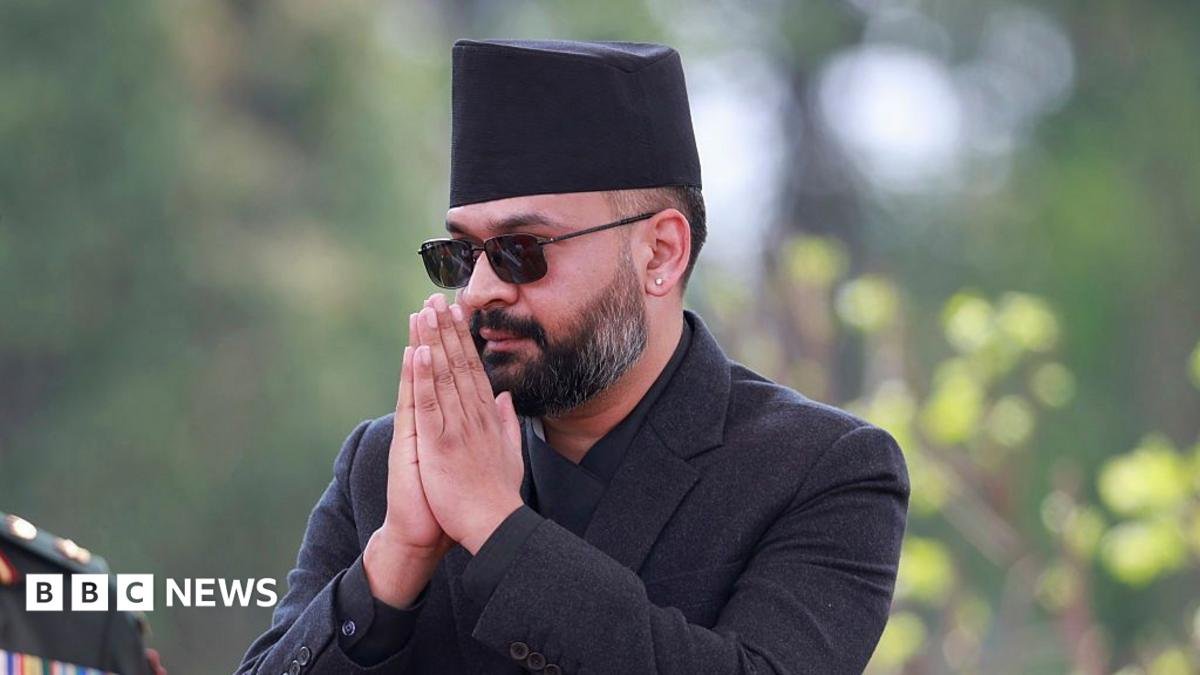
As Nepal’s political landscape navigates a period of internal and external transition, the upcoming high-stakes visit of Prime Minister Shah to New Delhi has captured the attention of regional observers. With the Himalayan nation grappling with the aftermath of devastating August flash floods and a projected $5 billion reconstruction bill, the trip is viewed as a vital opportunity to reset diplomatic momentum and secure much-needed financial support.
The Energy Corridor: A Pillar of Cooperation
At the heart of the bilateral agenda lies the lucrative hydropower sector. With India’s escalating demand for electricity and Nepal’s vast, untapped water resources, the energy partnership has become a cornerstone of the two nations’ ties. New Delhi has already cleared the import of up to 1,200MW of Nepali electricity, a move that provides economic stability to Kathmandu and fills a strategic gap for India. Furthermore, this cooperation is maturing into a trilateral affair, with Nepal beginning to export power to Bangladesh via the Indian grid. Such projects highlight how geography and resource management can transcend traditional diplomatic hurdles to foster shared economic growth.
Unresolved Friction and Strategic Realities
Despite the collaborative energy projects, the relationship remains complex, burdened by historical baggage and geopolitical sensitivities. A significant point of contention persists over the 2019 territorial dispute, sparked when India released a map that included regions claimed by Kathmandu. The subsequent retaliatory publication of a map by Nepal pushed the issue to the forefront of public discourse. While veteran analysts like Kanak Mani Dixit suggest that a resolution may not be imminent, there is a growing consensus that the two leaders must reopen formal negotiations to manage these simmering tensions.
Compounding these challenges is the sensitive issue of regional influence. Nepal has long campaigned for additional air entry routes from the west to serve new international airports at Bhairahawa and Pokhara. While these routes would drastically lower costs and boost tourism, progress has been slow. Observers suggest that New Delhi’s hesitation may stem from the fact that both airports were constructed with Chinese financing and engineering assistance, fueling India’s wariness about Beijing’s growing footprint in its immediate neighborhood.
Diplomatic Tightrope: Domestic Challenges
Prime Minister Shah arrives in India at a moment when his domestic standing is under scrutiny. Having broken his pledge to refrain from foreign travel during his first year to address the national disaster recovery, he faces a delicate balancing act. His government recently sent a high-level delegation to China, a move widely interpreted as an effort to ensure Kathmandu does not tilt too far toward any single power.
However, the Prime Minister faces significant internal pressure. His administration has faced intense criticism regarding the alleged erosion of press freedom and the controversial dismissal of the national police chief. Critics argue that the government’s lack of diplomatic gravitas and inexperience could hinder its ability to navigate the complex power dynamics with an “overwhelmingly powerful” India.
Ultimately, the success of this visit will be judged by the tangible outcomes Shah brings back to Kathmandu. Securing concrete financial aid commitments to jumpstart post-flood reconstruction is not just a diplomatic imperative—it is a political necessity. Whether the Prime Minister can demonstrate the maturity required to secure these gains while balancing regional interests remains the defining test of his tenure.
Disclaimer: This content is auto-generated for informational purposes only.
Source: Read Original News