









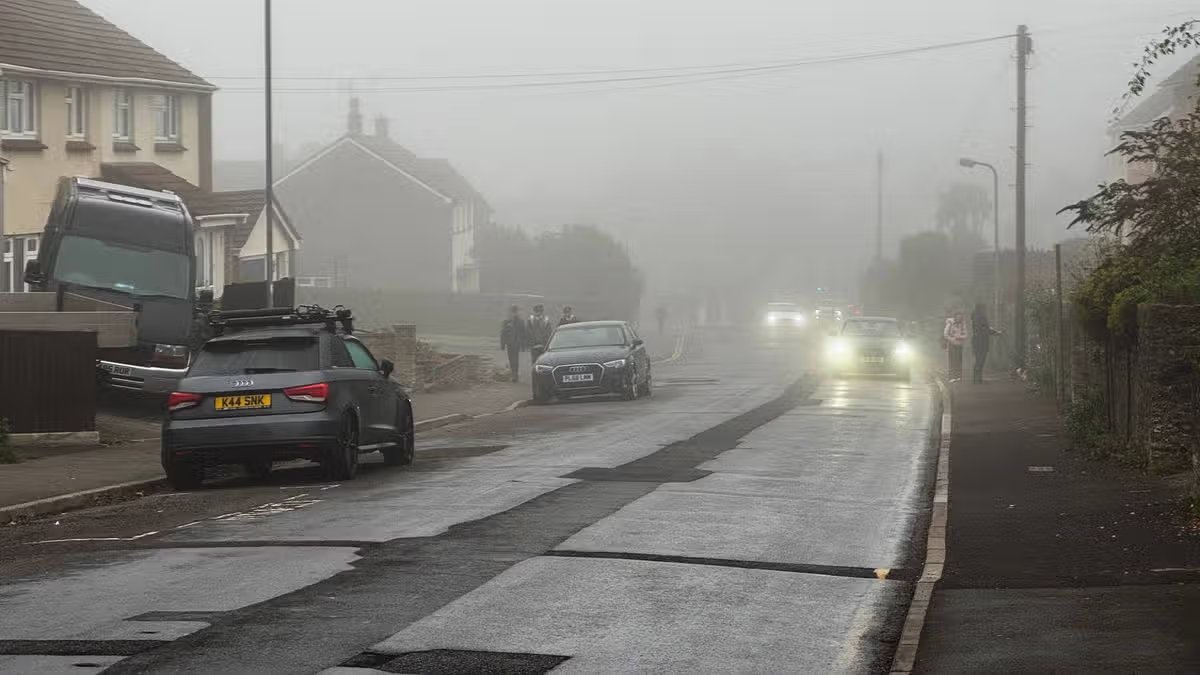
Motorists are being urged to check their vehicles before every journey this winter, as a common oversight could land them with a heavy fine. Experts are warning that driving with dirty or obscured headlights is a clear breach of road traffic laws, potentially leading to on-the-spot penalties.
Under Regulation 23 of the Road Vehicles Lighting Regulations 1989, it is illegal to use a vehicle on the road unless all required lamps are in “good working order and, in the case of a lamp, clean.” This rule applies to everyone operating a vehicle, meaning those who borrow a car or bike are just as liable as the owner if the lights are obscured by road grime, salt, or mud.
Sean Gallimore, a motoring expert at Lexham Insurance, warns that many drivers mistakenly believe that ensuring their bulbs are functioning is sufficient. However, the legal requirement for cleanliness is just as vital to ensure that signaling remains visible to other road users and that the vehicle can be identified from a distance.
“It’s this time of year when people are caught out the most,” Gallimore explained. “Driving in darker hours means you’re relying on your lights more, and the frequently wet, muddy, and gritted roads can coat your lights fast. A layer of road grime can leave you breaking the rules without even realising it.”
The consequences for failing to comply are significant. Drivers caught with filthy lights can face an immediate £50 fixed penalty notice. If the individual decides to contest the fine or if the matter escalates to court, that penalty can rise to a maximum of £1,000.
While the regulation applies to all motorists, riders of motorcycles, mopeds, and scooters are particularly at risk. Because most bikes feature a single headlight positioned low at the front of the frame, they are directly in the path of road spray. Gallimore notes that a motorcycle headlight can become critically dirty in the space of a single journey, making a quick pre-ride inspection essential for both legal compliance and road safety.
Maintaining clean lights does not require expensive equipment or specialized labor. According to industry experts, a simple wash with mild soap, water, and a damp sponge is sufficient to clear away most debris. For stubborn, dried-on spots, a soft-bristled brush can be used, and those dealing with cloudy lenses due to UV exposure may find that a small amount of toothpaste or a baking soda solution acts as an effective cleaner.
“It’s best to clean your headlights little and often to prevent build-up, which is harder to remove,” Gallimore added. “It only takes a couple of minutes and could save you a hefty fine. In bad weather, try to check your lights after every journey.”
Disclaimer: This content is auto-generated for informational purposes only.
Source: Read Original News