







Beyond the Spectacle: Nitesh Tiwari and Namit Malhotra Decode the Vision Behind ‘Ramayana’
Bringing the timeless epic of the ‘Ramayana’ to the silver screen is a monumental undertaking that requires more than just technical prowess; it demands a delicate balance between mythological grandeur and human intimacy. As filmmakers Nitesh Tiwari and Namit Malhotra prepare to unveil their ambitious adaptation, they have opened up about the painstaking process of ensuring that the heart of the story remains front and center, even amidst a sea of cutting-edge visual effects.
Emotions over Effects
For the creative team, the primary objective was clear from the project’s inception: visual spectacle must serve the narrative, not replace it. Namit Malhotra, a veteran of visual effects, emphasizes that CGI is merely the “icing on the cake.” While the film aims to introduce the world of the Ramayana to a global audience with unprecedented scale, Malhotra argues that audiences do not walk away from a film talking about pixels; they remember how they felt.
“People have heard the story of the Ramayana and experienced its emotions, but they have never really seen it this way before,” Malhotra noted. The goal was to take familiar elements—like the majestic Pushpak Viman or the divine elephant Airavata—and render them with a level of believability that honors the source material while breathing new life into the ancient text.
The Challenge of Jatayu’s Sacrifice
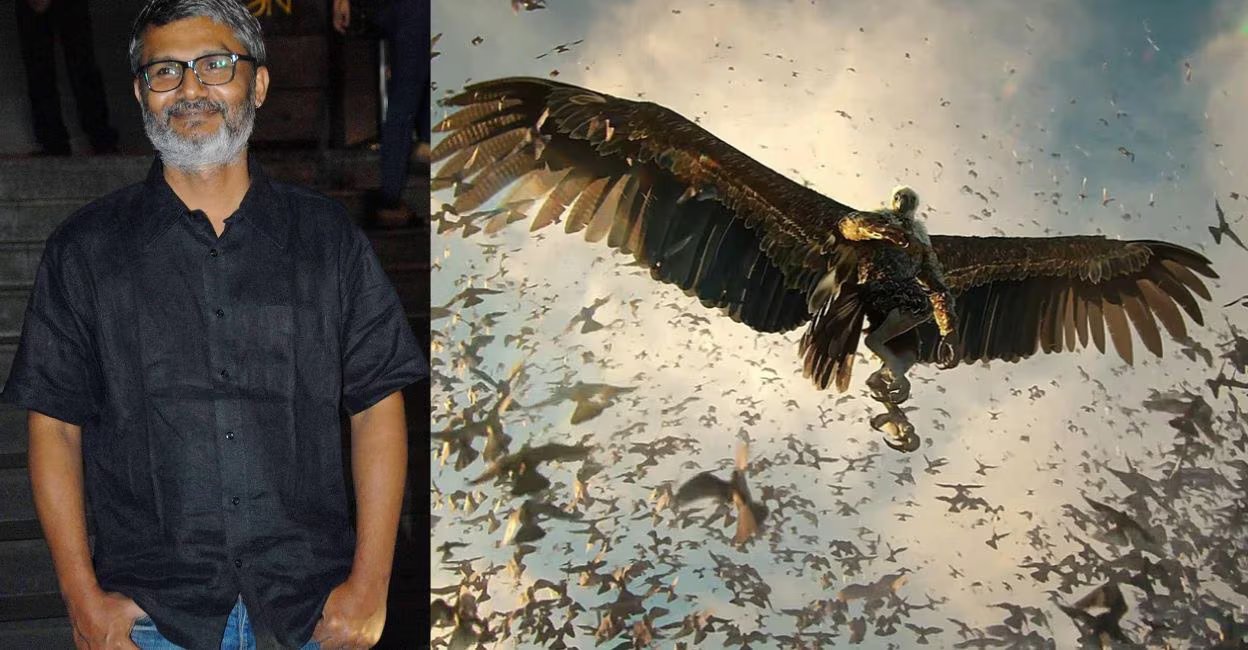
One of the most defining sequences in the upcoming film is the legendary battle between Jatayu and Ravana. The creative team dedicated years to this specific segment, with planning originating as far back as 2020. Malhotra explained that the team went through exhaustive rounds of fight choreography and design to ensure the sequence was grounded in the internal logic of the world they were building.
For Nitesh Tiwari, the technical success of the sequence was secondary to the audience’s visceral reaction. He recalled instances of seeing children moved to tears during the scene where Jatayu makes his final stand. For the director, the measure of success is not in the rendering of the battle, but in the audience’s ability to empathize with the noble bird’s immense sacrifice. “You can have all the spectacle in the world, but ultimately, it is how people react emotionally that matters,” Tiwari asserted.
Embracing Diversity in Tradition
The production has also navigated the sensitive terrain of the epic’s diverse regional interpretations. When questioned about the varying beliefs regarding where the legendary battle took place—with claims ranging from Lepakshi in Andhra Pradesh to Chadayamangalam in Kerala—Tiwari chose to embrace the plurality of the narrative.
With over 300 versions of the Ramayana existing across different cultures, the filmmaker views these varying traditions as a testament to the story’s enduring reach rather than a source of conflict. Instead of attempting to anchor the story to a single geography, Tiwari finds joy in the renewed curiosity the film has sparked. He believes that by encouraging audiences to delve deeper into these regional interpretations and historical lore, the film succeeds in keeping the spirit of the Ramayana alive for a new generation. Through this thoughtful approach, Tiwari and Malhotra hope to deliver an experience that feels both epic in scale and profoundly personal in spirit.
Disclaimer: This content is auto-generated for informational purposes only.
Source: Read Original News