








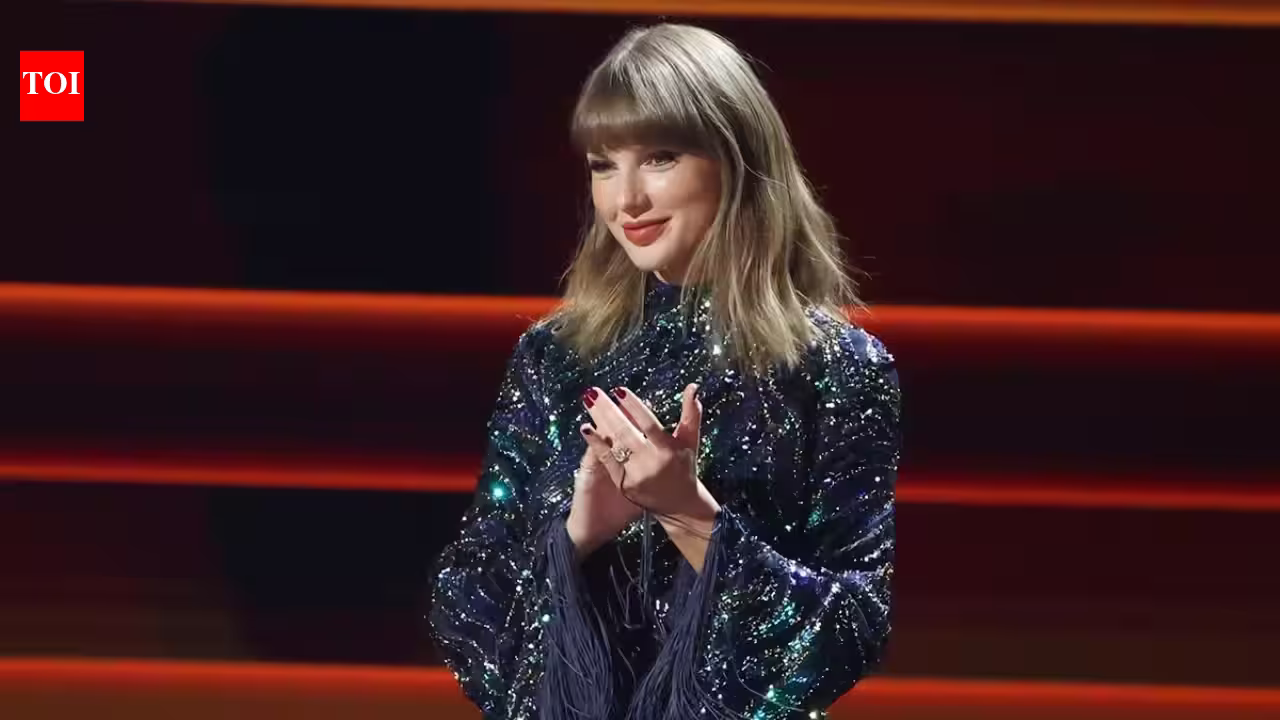
It’s been a chaotic, headline-grabbing week in the world of global awards, but perhaps none have caused as much digital whiplash as the latest announcement from Mumbai. When the Dadasaheb Phalke International Film Festival (DPIFF) revealed its 2026 honors list on November 20, the inclusion of one specific name sent the internet into a tailspin: Taylor Swift.
Yes, the 14-time Grammy winner, the architect of the record-breaking Eras Tour, and arguably the most influential musical force on the planet, has been named “International Artist of the Year.” The news was unexpected, slightly surreal, and, predictably, the source of some of the most biting and hilarious commentary the internet has seen all year.
A Cultural Crossover No One Predicted
The DPIFF organizers praised Swift for her “extraordinary musical artistry, global cultural influence and remarkable contributions to contemporary music, songwriting and live entertainment.” On paper, the recognition is objectively sound—Swift is a global juggernaut. However, the juxtaposition of her name alongside the Dadasaheb Phalke brand created an immediate cognitive dissonance for fans of both Indian cinema and Western pop culture.
For those uninitiated, the Dadasaheb Phalke name carries immense weight in India. Dadasaheb Phalke is revered as the father of Indian cinema, a pioneer whose legacy is deeply entrenched in the history of the country’s film industry. While the DPIFF is a prestigious, star-studded private event in Mumbai, it operates as an independent entity, distinct from the government-conferred Dadasaheb Phalke Award, which serves as the highest honor in Indian cinema. Yet, the branding alone was enough to trigger a collective “Wait, what?” from the general public.
The Internet Responds: Memes, Irony, and Pure Confusion
As soon as the announcement went live, the “Swifties” and the desi-Twitter crowd collided in a spectacular meme-fest. The consensus seemed to be one of baffled amusement. One user quipped, “Grammys, who? Taylor Swift has won AOTY at Dadasaheb Phalke, lesggoooo,” effectively mocking the sheer randomness of the crossover.
Others leaned into the absurdity with tongue-in-cheek suggestions about what a Taylor Swift performance at an Indian film awards show might actually look like. “Hope she performs to Chiggy Wiggy or at the very least Dhoom Machale at the ceremony,” one fan joked, referencing high-energy Bollywood tracks that are worlds away from the “Anti-Hero” singer’s usual aesthetic.
The commentary wasn’t just confined to music—it became a reflection of how globalized awards culture has become, often to the point of parody. When you start seeing a global pop icon mentioned in the same breath as local industry veterans, the traditional boundaries of award shows begin to blur, and the internet, being the merciless judge that it is, was more than happy to point out that 2026 is officially turning into the “craziest year yet.”
Bridging the Gap: International Stars in the Indian Spotlight
Taylor Swift wasn’t alone in being plucked from the Hollywood A-list to grace the DPIFF roster. The organization clearly aimed for a global reach this year, honoring heavyweights like James Cameron for his “Outstanding Contribution in Global Cinema.” Michael B. Jordan was recognized for his work in Sinners, along with Jessie Buckley and acclaimed director Paul Thomas Anderson.
When you look at the list of international honorees, it’s clear the DPIFF is positioning itself as a bridge between the East and the West. By including these names, they aren’t just celebrating cinema; they are making a statement about the current state of cultural consumption. Audiences today don’t just watch local content; they watch everything. Whether it’s an indie film from Mumbai or the latest blockbuster from Los Angeles, the lines have dissolved. However, the presence of these massive Western stars often leaves viewers wondering about the logistics: Does the artist know? Will they show up? Or is this a “long-distance” honor meant to elevate the prestige of the festival itself?
The Indian Winners: Keeping the Focus on Home
Amidst the Taylor Swift viral frenzy, it is important to remember that the ceremony remained, at its core, a celebration of Indian storytelling. The local heavyweights were out in force. Ranveer Singh took home the Best Actor trophy for his performance in Dhurandhar, which was also crowned Best Film. The legendary Kamal Haasan and music maestro Ilaiyaraaja were rightfully honored for their monumental contributions to the arts.
These awards carry immense prestige within the Indian film industry. They represent the blood, sweat, and tears of thousands of technicians, actors, and directors who keep the world’s most prolific film industry running. It’s a testament to the versatility of the DPIFF that they can balance the quiet, dignified recognition of a living legend like Ilaiyaraaja with the explosive, headline-grabbing news of a Taylor Swift win.
The “Real” vs. “Private” Awards Debate
While the internet had its fun, the confusion regarding the nature of the DPIFF served as a reminder of how branding affects perception. Because the “Dadasaheb Phalke” name is so synonymous with the Indian government’s highest award, many fans were confused about the legitimacy of the accolade Swift received.
It is worth reiterating: the DPIFF is an independently organized, privately run event in Mumbai. It is not the government-mandated Dadasaheb Phalke Award. Does this invalidate the honor? Not necessarily. Festivals like these serve an important function in the entertainment ecosystem—they provide a platform for networking, international collaboration, and, most importantly, global visibility. By inviting a star of Swift’s magnitude into their ecosystem, the DPIFF has guaranteed that the world is looking at them, even if the “look” is currently a mix of curiosity and amusement.
Will Taylor Swift Actually Take the Stage?
The million-dollar question—or perhaps the billion-dollar question, given Swift’s net worth—is whether we will ever see the pop superstar grace a red carpet in Mumbai to collect her award.
In the age of digital PR, stars often accept awards remotely or through representatives. But if there’s one thing we know about Taylor Swift, it’s that she understands the power of a spectacle. She has a massive fanbase in India that has been clamoring for her to visit for years. If she were to appear at an Indian film awards show, it would be, without hyperbole, the biggest media event in the country’s recent history.
Until then, we have the memes, the discourse, and the realization that in 2026, nothing is off the table. Whether you think the award is a stroke of genius or a PR stunt, one thing is certain: Taylor Swift and the Dadasaheb Phalke International Film Festival have managed to capture the world’s attention for all the right (and some very funny) reasons.
Disclaimer: This content is auto-generated for informational purposes only.
Source: Read Original News