





A violent arrest on a Melbourne freeway has ignited a firestorm of controversy, highlighting a growing subculture of “cop-influencers” who use social media to celebrate force and normalize aggressive policing tactics.
Grainy footage captured by a bystander in October shows heavily armed tactical police swarming a vehicle on the Monash Freeway to arrest six teenagers and young men involved in a stolen car pursuit. While the operation itself has been referred for an independent investigation following allegations of extreme force—including claims that a teenager was struck with a firearm and attacked by a police canine—the online response from a niche network of police and defence-aligned accounts has been markedly different.
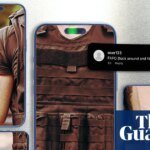
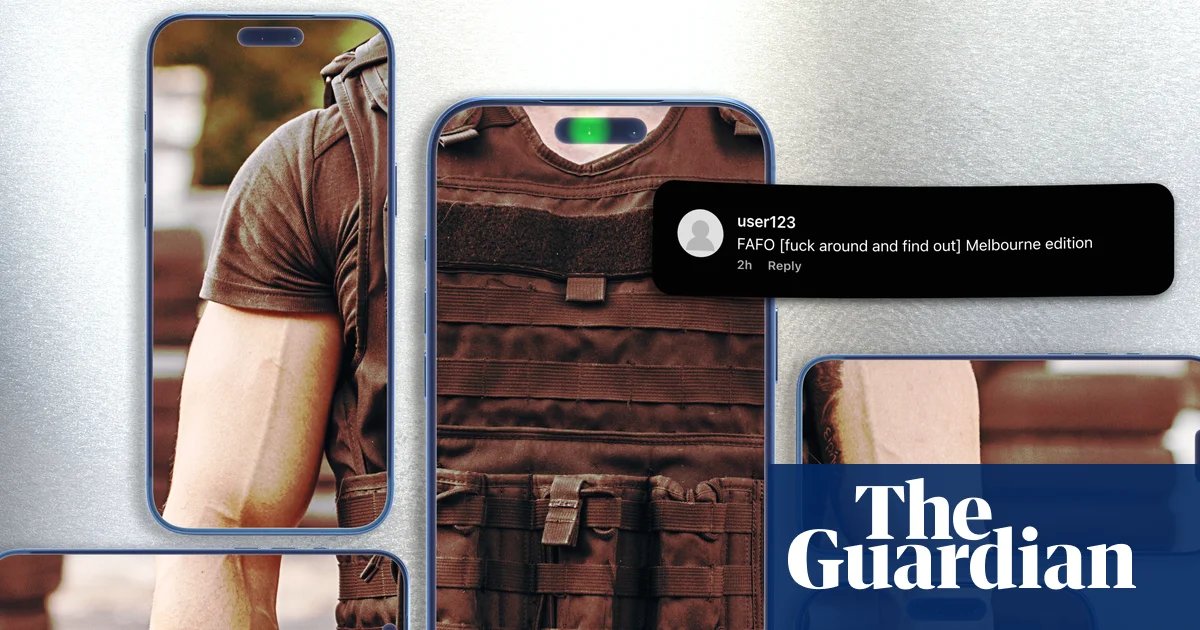
On Instagram, the arrest was framed through a lens of bravado. One prominent account, boasting tens of thousands of followers, captioned the clip with “FAFO [fuck around and find out] Melbourne edition,” while another, reportedly run by a former New South Wales police officer, stated, “Sudanese B’Ballers get bounced.”
These accounts form part of an interconnected ecosystem of “pol-influencers” and defence-sector pages. Often managed by current or former serving personnel, these pages routinely share operational footage, promote tactical gear, and host podcasts. The comment sections are frequently characterized by racist, sexist, and inflammatory rhetoric that appears to condone the use of excessive force.
Rian Terrell, the police accountability practice lead at the Redfern Legal Centre, warned that this online culture poses a significant threat to police integrity. “Social media content that valorises using excessive force and mocks compliance with the law is wholly inconsistent with the solemn legal responsibility that police officers have to obey the law,” Terrell said. “This cultural problem may flow down into daily decisions by police officers to use excessive force and to flout legal requirements.”
The influence of these pages extends into broader right-wing and martial circles. Recently, the label “Epic 1 Two,” launched by former SAS soldier Ben Roberts-Smith—who faces ongoing legal allegations regarding war crimes in Afghanistan—has gained significant traction within this network. Prominent figures, including convicted US war criminal Eddie Gallagher, have publicly promoted the brand.
Professor Ben Wadham, an expert in veteran welfare at Flinders University, described the phenomenon as an evolution of “warrior ethos” into a digital space. He noted that the content often relies on a narrative of exceptionalism, where officers and soldiers define themselves against a “dangerous” civilian population.
“The sexualisation and racial and prejudicial stuff all serve the same function: reinforcing that we’re a brotherhood, we’re doing something unique,” Wadham explained.
While the Australian Defence Force and state police services maintain strict guidelines regarding social media use, enforcement remains inconsistent. Victoria Police confirmed 16 investigations into social media breaches over the past year, resulting in one disciplinary charge. However, many other law enforcement agencies declined to comment on specific accounts or the broader trend of their staff using social media to broadcast sensitive tactical operations.
Disclaimer: This content is auto-generated for informational purposes only.
Source: Read Original News