






India Rejects Border Provocations as SCO Forum Turns into Diplomatic Battlefield
NEW DELHI — Tensions simmered at the Shanghai Cooperation Organization (SCO) summit in New Delhi this week, as regional representatives gathered under the shadow of persistent geopolitical friction. While the forum is intended to foster economic and security cooperation across Eurasia, the proceedings were punctuated by sharp exchanges, particularly regarding ongoing border disputes and claims of state-sponsored interference.
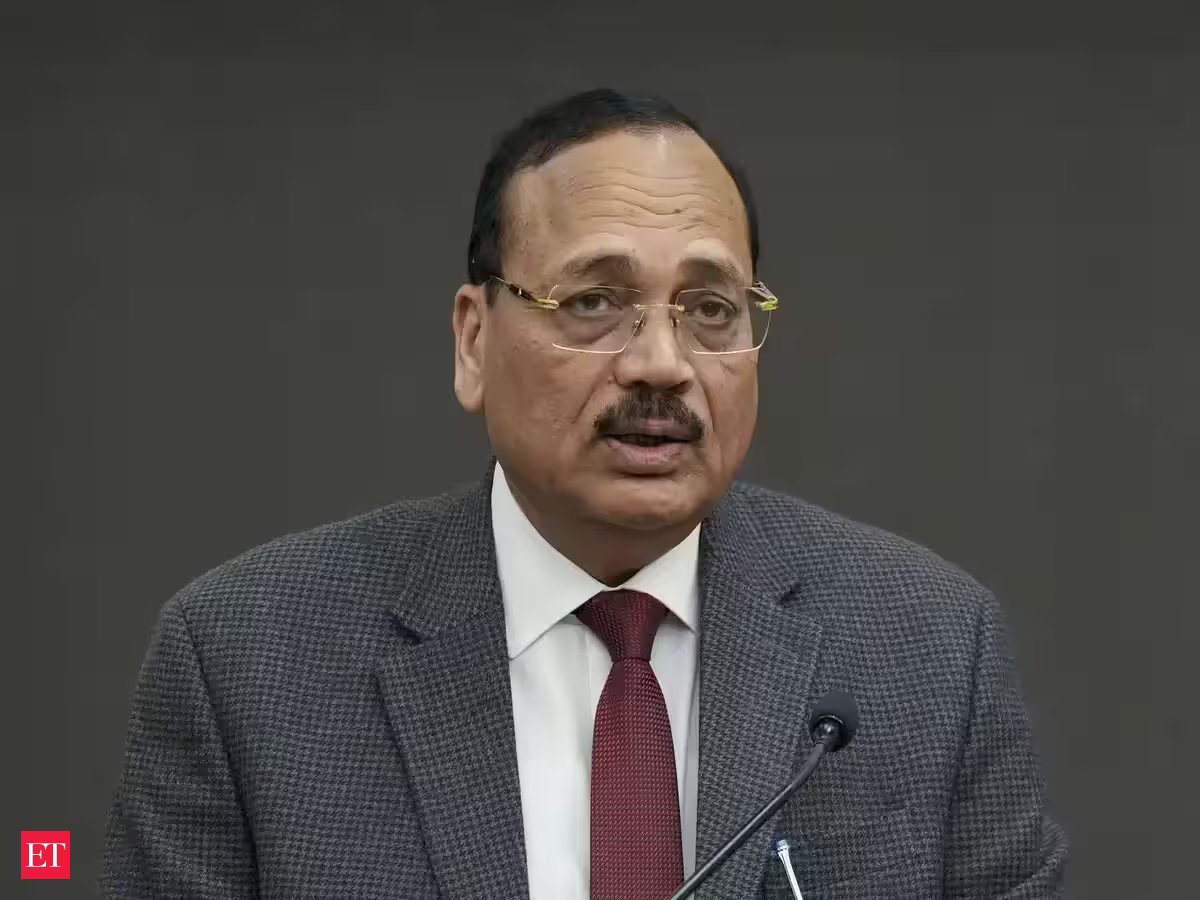
During a press briefing on the sidelines of the high-level event, a visiting minister faced direct questions from the media regarding controversial claims of evidentiary support for cross-border allegations. The minister, clearly irritated by the line of inquiry, retorted, “You may bring evidence; we also have evidence that we want to present.” The statement served as a blunt reminder of the deep-seated mistrust that continues to define bilateral relations in the subcontinent.
A Diplomatic Standoff
The minister’s comments come at a time when intelligence agencies and diplomatic channels are working overtime to manage the narrative surrounding regional security. Indian officials have consistently maintained that the documentation presented by neighboring counterparts often relies on doctored intelligence or mischaracterized operational realities.
For New Delhi, the SCO summit represents a delicate balancing act. While India remains committed to the bloc’s mission of promoting regional connectivity and counter-terrorism, it has made it clear that “business as usual” cannot persist if border stability is compromised. Sources within the Ministry of External Affairs suggested that India’s presence at the forum is aimed at ensuring its national security concerns remain at the forefront of the multilateral agenda.
The Burden of Proof
The rhetoric exchanged by the visiting minister highlights a shift in how regional adversaries are handling public perception. By publicly challenging the authenticity of evidence, officials are signaling a move toward “information warfare,” where the goal is not just to resolve a dispute but to undermine the credibility of the opposing state’s security apparatus.
“We are witnessing a trend where traditional diplomatic silence is being replaced by performative accusation,” said Dr. Anjali Rao, a regional security analyst based in New Delhi. “When a minister arrives at a forum as significant as the SCO and chooses to engage in a back-and-forth over ‘evidence,’ it signals that these platforms are becoming stages for domestic consumption rather than genuine conflict resolution.”
Future Implications
Despite the public sparring, the broader SCO agenda—which includes discussions on digital infrastructure, climate change, and regional trade corridors—continued behind closed doors. Observers noted that the pragmatic necessities of trade often force even the most entrenched rivals to remain at the table.
However, the standoff over evidence creates a precarious environment. As India continues to solidify its position as a leading global voice, it remains under pressure to respond to these provocations without derailing the regional consensus required for the SCO to remain a functional body.
The minister’s remarks have reignited domestic debates within India regarding the necessity of direct engagement with nations that maintain hostile postures. As the summit concludes, the international community will be watching closely to see if the promised “evidence” is formally presented, or if this latest chapter of brinkmanship remains merely another tool for political posturing. For now, the path to de-escalation appears longer than ever, with both sides firmly entrenched behind their own versions of the truth.
Disclaimer: This content is auto-generated for informational purposes only.
Source: Read Original News