







Millions of households across the UK are bracing for colder temperatures this week, but British Gas has issued a timely reminder that a common heating nuisance can be solved in minutes without the need for an expensive call-out.
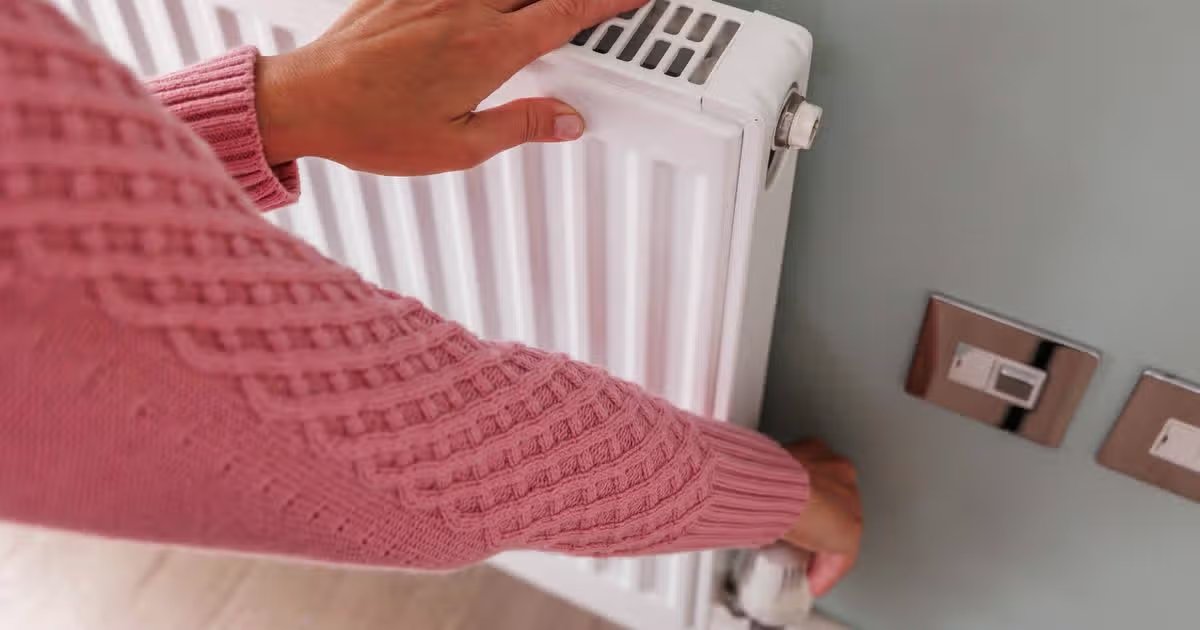
If your radiators are feeling warm at the bottom but remain stubbornly cold at the top, you are likely suffering from trapped air in your system. This build-up of air creates a pocket that prevents hot water from circulating effectively through the radiator, forcing your boiler to work harder while your home remains chilly. Fortunately, energy experts have confirmed that this is a “quick fix” that most homeowners can perform themselves using only a radiator key and a cloth.
“It is one of the most frequent issues we hear about as the weather turns,” a spokesperson for British Gas stated. “When air gets trapped, it creates a barrier that stops the heat from reaching the top of the unit. It’s not just uncomfortable; it’s an energy efficiency issue that could be costing you money.”
To resolve the problem, British Gas recommends a simple step-by-step process. First, ensure your heating system is turned off and allowed to cool down completely. Attempting to bleed a radiator while the water inside is hot carries a risk of scalding.
Once the system is cold, locate the bleed valve, which is usually found at the top corner of the radiator. Insert a radiator key—an inexpensive tool available at most hardware stores—and place a cloth or a container underneath the valve to catch any escaping water. Gently turn the key anti-clockwise. You should hear a hissing sound, which is the trapped air escaping the system. Keep the valve open until the hissing stops and a steady stream of water begins to trickle out. At that point, immediately tighten the valve back up.
Once you have completed this process, it is essential to check the pressure on your boiler. Bleeding radiators can sometimes cause the system pressure to drop, which may prevent the heating from firing up properly. If the gauge on your boiler has dropped below the recommended level—usually marked in green—you may need to “top up” the pressure using the external filling loop.
If you have bled all the radiators in your home and they remain cold, or if you notice discoloured water, it may indicate a deeper issue like a build-up of sludge or a circulation pump failure. In these instances, British Gas advises contacting a qualified heating engineer. However, for the vast majority of households, this simple maintenance task is the key to restoring warmth before the winter freeze truly sets in.
Disclaimer: This content is auto-generated for informational purposes only.
Source: Read Original News