




The Invisible Cost of Convenience: India’s Growing Air Quality Crisis
In modern urban India, the concept of “waiting” has become an artifact of the past. From the comfort of one’s home, a tap on a smartphone screen triggers an army of service providers: groceries arrive before a morning shower is finished, plumbers are summoned in minutes, and household help is available at the touch of a button. For many, this infrastructure of extreme convenience is what makes India not just livable, but enviable—a stark contrast to the grueling “slog” of daily chores often found in Western nations.
However, a growing chorus of residents is beginning to question the true price of this rapid urban lifestyle. The convenience is tangible, but the most essential commodity—clean air—is increasingly absent, and no app can deliver it.
A Personal Wake-Up Call
The conversation gained momentum recently when Mumbai-based entrepreneur Arjun Vaidya shared a deeply personal account of his family’s health struggles. In a viral post, Vaidya revealed that his nine-month-old daughter was suffering from croup—a respiratory condition—requiring the frequent use of a nebuliser. Simultaneously, his father, a heart patient, was struggling to breathe due to fluid retention in his lungs, a situation exacerbated by the poor quality of the air outside.
Vaidya’s candid question—whether the luxuries of Indian life are worth the physiological toll on our families—has struck a nerve among urban Indians who find themselves trapped between the benefits of a service-oriented economy and the deteriorating environment.
Beyond the Capital’s Winter Blues
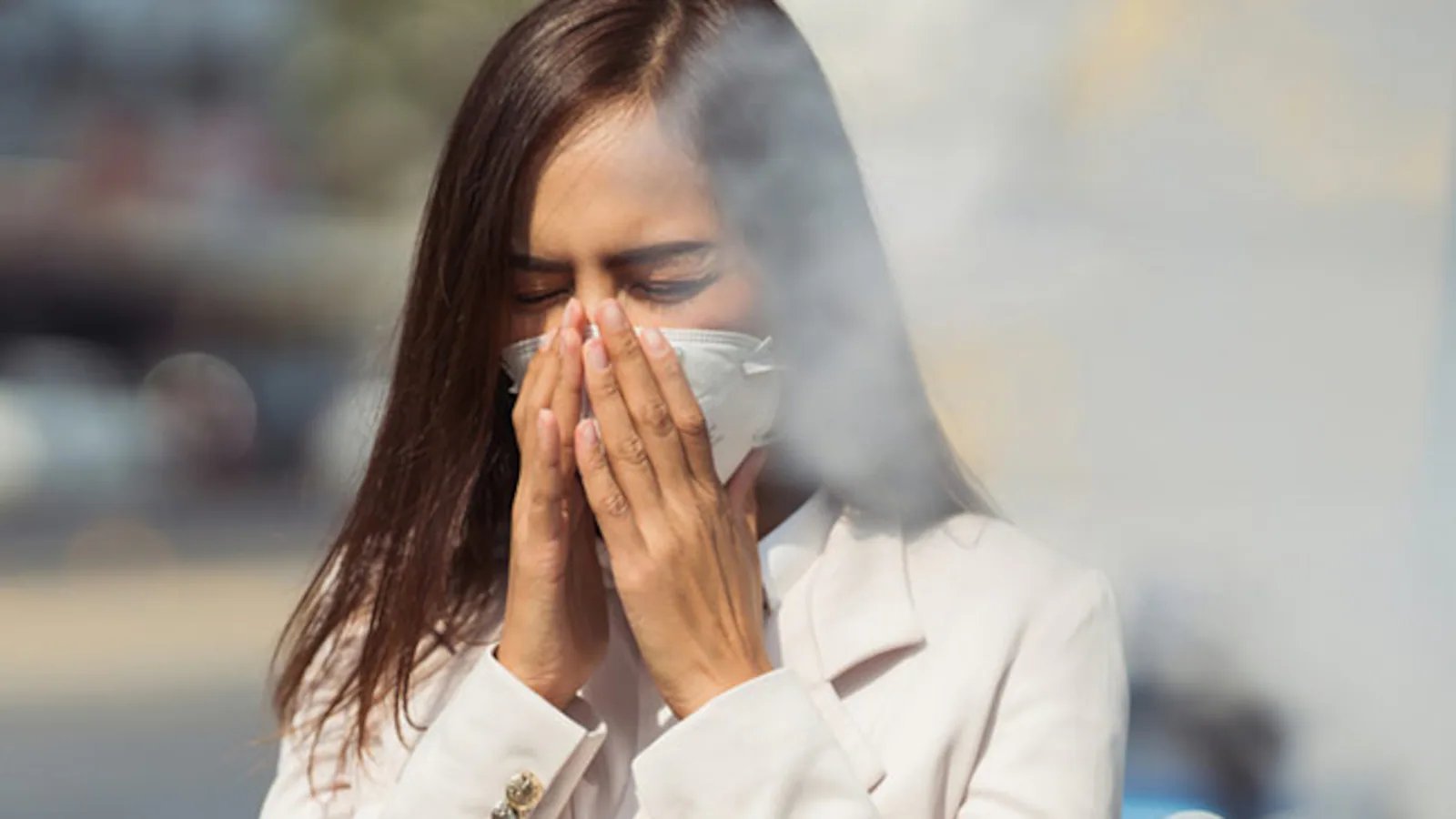
For years, air pollution in India was treated largely as a seasonal, localized catastrophe confined to Delhi’s winter months. That narrative, however, has collapsed under the weight of recent data. While Delhi’s air quality remains a critical concern, the smog has become a pan-India phenomenon.
Coastal cities, once thought to be shielded by sea breezes, are no longer exceptions. Data from the Indian Institute of Tropical Meteorology (IITM) recently flagged worrying Air Quality Index (AQI) levels in Mumbai, with areas like Colaba and Malad hitting levels that indicate significant health risks. Similar trends are visible across Pune, Bengaluru, Hyderabad, Chennai, and Ahmedabad. The consensus among experts is clear: the air quality crisis is a nationwide systemic failure, not a regional anomaly.
A Divided Public Discourse
The reaction to Vaidya’s post highlights the complex relationship Indians have with their cities. Many echoed his sentiment, with one social media user poignantly asking, “Would you trade lungs for 10-minute delivery?” Others, like fashion designer Simone Khambatta, shared their own harrowing experiences of managing their children’s respiratory issues.
Yet, a significant segment of the population remains committed to the idea that the solution lies in civic engagement rather than resignation. Many argue that moving abroad is not a panacea for the struggles of modern life. Those who have returned to India from the West often point to the high cost of living, the burden of household chores, and the isolation that characterizes life in developed nations. For these individuals, the path forward is to stay and participate in the “fight”—organizing plantation drives, pushing for urban policy changes, and holding authorities accountable.
As for Vaidya, despite his frustration, he has made his stance clear: he has no plans to leave. The challenge for India’s urban centers, then, is to bridge the gap between their world-class service delivery models and the fundamental right to breathe clean air. Until that is achieved, the convenience of the app-based lifestyle will continue to be overshadowed by the silent, invisible threat hovering in the sky.
Disclaimer: This content is auto-generated for informational purposes only.
Source: Read Original News