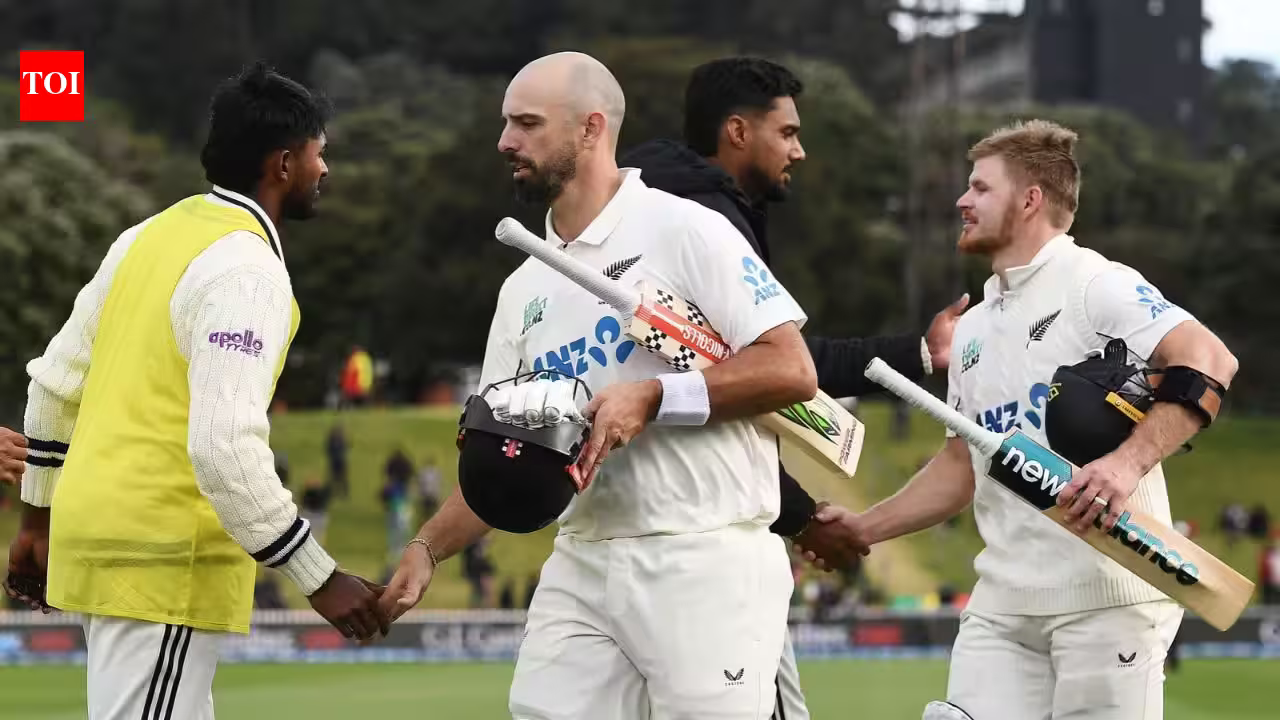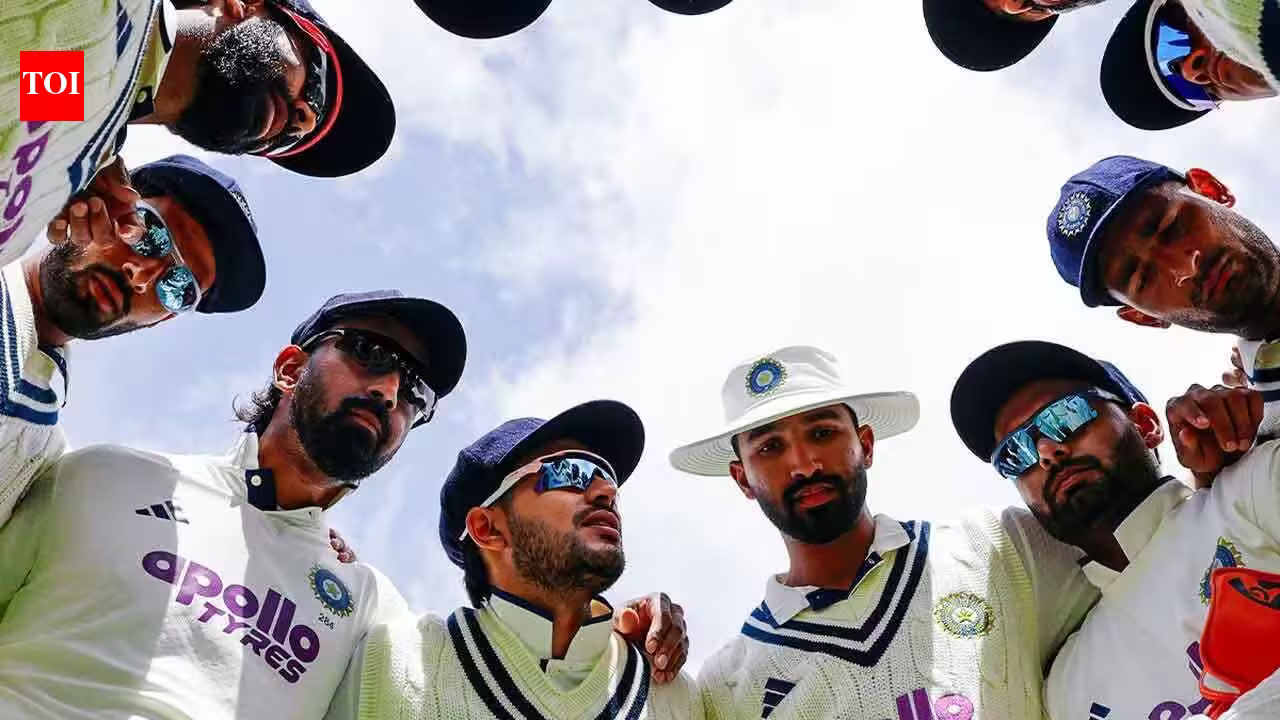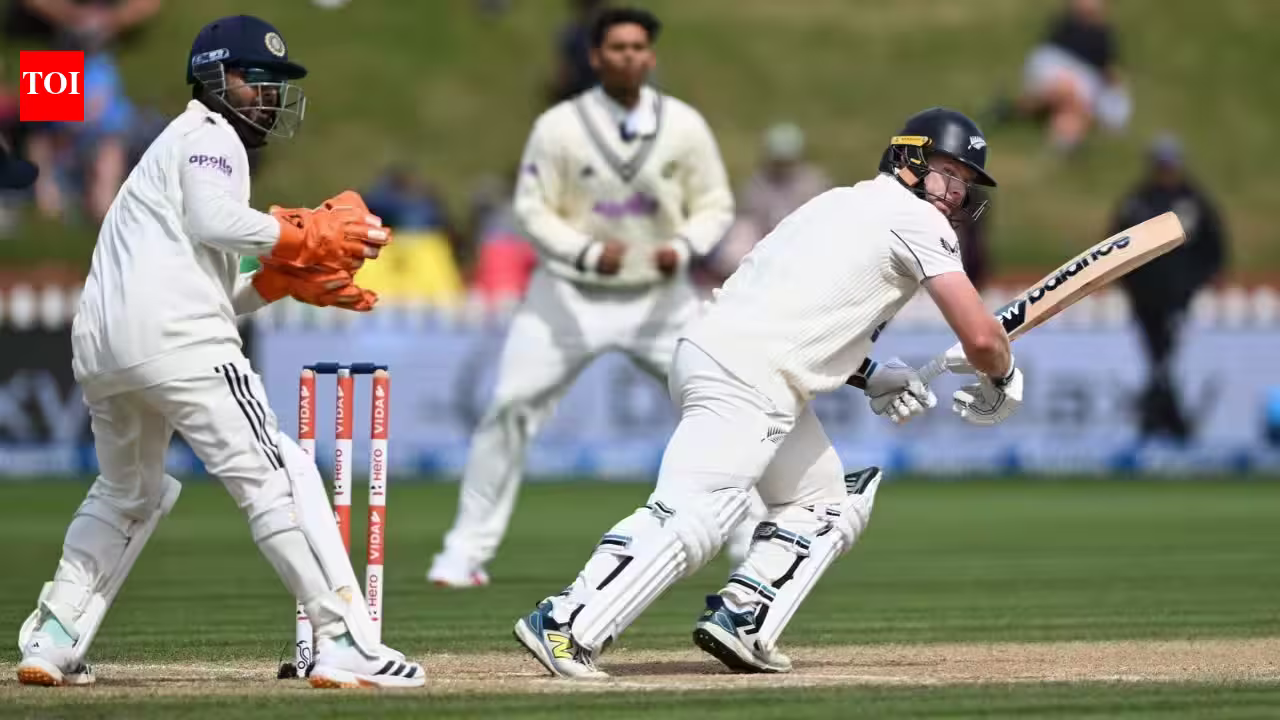










WELLINGTON: Shubman Gill is a man of conviction, and as he wrapped up a hard-fought, albeit frustrating, draw at the Basin Reserve on Day 5, the Indian captain refused to retreat behind diplomatic platitudes. Addressing the media after the opening Test against New Zealand, Gill front-loaded the conversation with the uncomfortable truths regarding his team selection, the state of modern cricket equipment, and his stark assessment of the surface in Wellington.
The most glaring talking point heading into the match was the omission of speedster Mohammed Siraj. With the Test ending in a stalemate, the noise surrounding that decision grew louder, yet Gill remained resolute. When asked if the inclusion of seasoned campaigners like Siraj or Ravindra Jadeja could have provided the extra bite needed to break New Zealand’s late-game resistance, Gill was blunt: “I don’t think so.”
### A “Very Tough” Call on Form
Gill provided a rare, candid look into the personal and professional dynamics of leading a national side. Leaving out Siraj, he admitted, was not merely a tactical choice but a difficult personal hurdle.
“Siraj is a great player and a great bowler who has done very well for India. Before all of that, he’s a really good friend of mine. We made our debuts together,” Gill said. “But sometimes you have to see which bowlers are in form, which bowlers are bowling the best. I told him before the match that he was going to be missing out. I don’t know if he agreed or not, but he understood the logic.”
Gill emphasized that professional sports inevitably subject players to peaks and valleys. “In every player’s career or life, there comes a phase where you’re not going to be at the peak of your career all the time. I think he understands that,” he added, reinforcing that his captaincy will prioritize current form over reputation.
### The “Saliva Ban” and the State of the Ball
Beyond the roster, Gill launched a passionate critique of the current laws governing ball maintenance. He identified a growing crisis in red-ball cricket, pointing to the combination of the saliva ban and the dwindling quality of the balls as the primary culprits behind lifeless tracks.
“Teams should be allowed to use saliva. It was a rule that was made effective during COVID. I think we are long past that,” Gill stated firmly.
He highlighted the compounding difficulty for bowlers who are already battling unfavorable conditions. “If you’re not shining the ball or you’re not able to maintain it, especially on wickets like these, it makes the job of the bowler very difficult. The condition of the balls has not been too great lately. We had the same problem in England as well. If the ball is going soft after 25-30 overs, or it’s going out of shape and you’re not allowed to use saliva, it’s a very difficult job for the bowlers.”
### A Pitch “Not Conducive to Results”
The Basin Reserve, traditionally one of the most bowler-friendly venues in the world, failed to deliver the expected contest between bat and ball. While the Test began with promise and a green hue on the pitch, it flattened out significantly by the middle of the game.
“When we started playing the Test match, we thought there would be a lot more in the wicket,” Gill observed. “I think on Day 3, 4, and 5, it just went flatter and flatter. There were no scars on the wicket. The wicket just got slower. It was not a great Test wicket, especially if you want results.”
Gill acknowledged that the modern obsession with results—driven by the high stakes of the World Test Championship (WTC)—has made draws feel like a relic of the past, even when the pitch effectively dictates the outcome. “Before, draws were a lot more common. People didn’t talk about them as much. Now, because of the WTC, we focus on results, and when the pitch doesn’t cooperate, it becomes a very different game.”
### Looking Ahead to Christchurch
Despite the frustration of leaving Wellington without a victory, Gill lauded his bowlers for their relentless work rate, noting that the group sent down 241 overs across the match. The energy, he insisted, remained high even when the conditions offered minimal reward.
The schedule provides little respite, with only three days—including a travel day—until the second Test in Christchurch. With the points race for the WTC heating up, India has opted to cancel all team activities to allow the squad to recharge. For Gill, the focus is now entirely on recovery, as the team looks to translate their persistence in Wellington into a decisive performance in the next fixture.
Whether his aggressive stance on ball maintenance or his hard-nosed approach to selection will yield dividends in Christchurch remains to be seen, but one thing is clear: under Shubman Gill, the Indian team is playing with a mindset that values transparency and form over conventional comfort.
Disclaimer: This content is auto-generated for informational purposes only.
Source: Read Original News