







Scotch Tariff Dispute Stalls India-UK Trade Negotiations
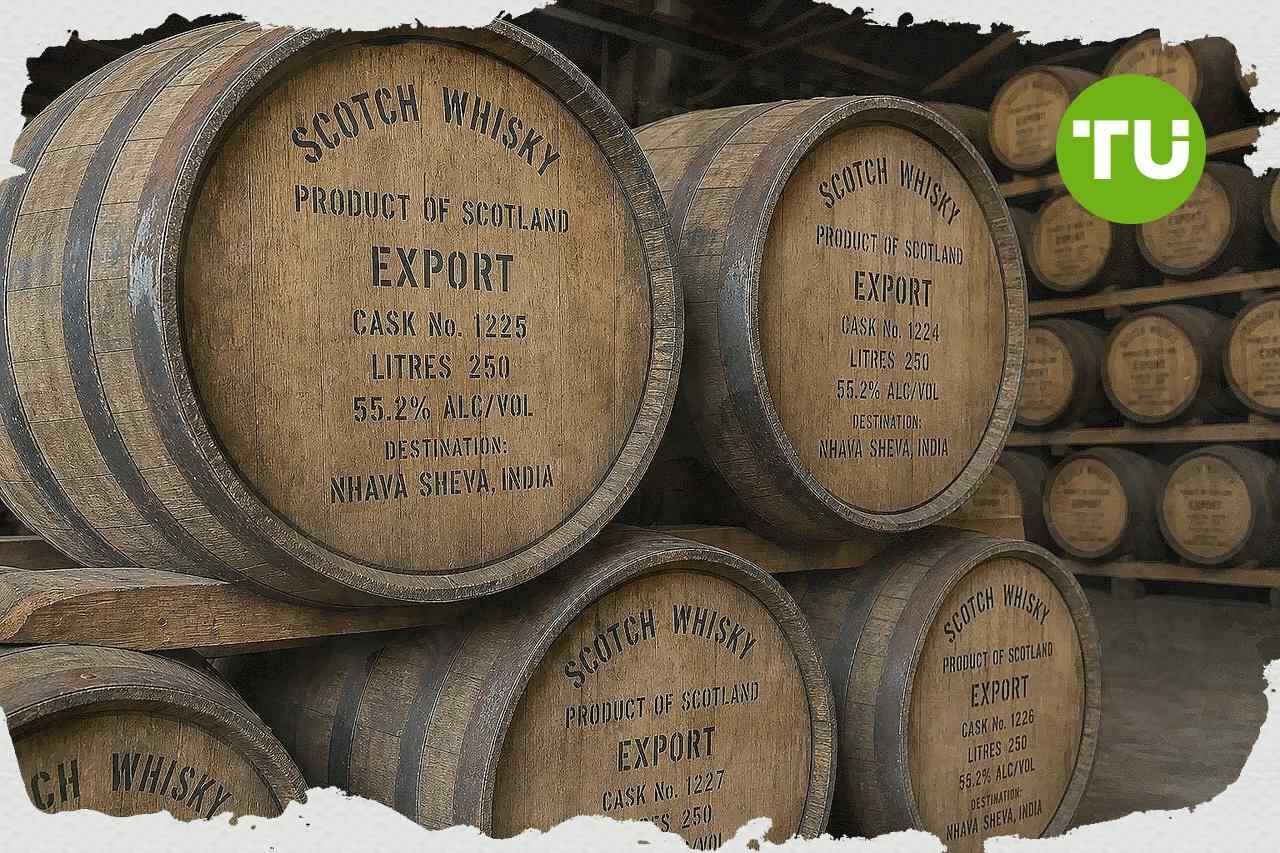
The much-anticipated Free Trade Agreement (FTA) between India and the United Kingdom has hit a significant roadblock, as negotiators struggle to reconcile stark differences regarding the taxation of imported alcoholic beverages. At the heart of the impasse is India’s current 162.5% customs duty on bulk Scotch whisky imports, a levy that British trade officials and industry representatives are aggressively lobbying to reduce.
For months, both nations have been working toward a comprehensive deal aimed at boosting bilateral trade, which currently stands at roughly £42 billion annually. While progress has been made in sectors ranging from financial services to digital trade, the “spirits” debate has emerged as a primary sticking point that threatens to derail the timeline for a final signing.
The Industry Perspective
The Scotch Whisky Association (SWA) has long argued that India’s prohibitive tariff structure effectively locks out smaller distillers and keeps premium spirits out of reach for a broader segment of the Indian middle class. UK trade envoys have proposed a phased reduction of these duties, arguing that lower taxes would not only increase the volume of British exports but also foster a more competitive market environment in India.
“We are looking for a fair and equitable playing field,” noted a UK trade representative familiar with the talks. “The current duty structure is an outlier globally and acts as a major barrier to realizing the full potential of the partnership between our two economies.”
India’s Domestic Protections
On the other side of the negotiating table, the Indian government is facing intense pressure from domestic liquor manufacturers. Indian distillers argue that a sudden or drastic reduction in import duties would result in an influx of cheaper foreign alternatives, potentially crippling the local industry, which provides millions of jobs and generates significant state-level tax revenue.
New Delhi has signaled a willingness to negotiate but remains cautious about the speed of tariff liberalization. Officials are reportedly exploring a compromise that could involve a tariff-rate quota system, where a specific volume of Scotch could be imported at a lower duty rate, while imports exceeding that threshold would continue to face higher taxes. However, reaching an agreement on the volume caps and the specific percentage of duty reduction remains a complex exercise in economic balancing.
Economic Implications and Future Outlook
Beyond the immediate dispute over whisky, the stalemate highlights the broader challenges of aligning two economies with vastly different industrial priorities. While the UK is eager to secure an FTA to demonstrate its post-Brexit trading prowess, India is prioritizing the “Make in India” initiative, which emphasizes the growth of domestic manufacturing and the protection of local agricultural interests.
As the talks enter a critical phase, the outcome of the Scotch duty standoff may well dictate the momentum of the entire deal. Should the two nations reach a breakthrough, it could serve as a model for how India navigates future trade agreements with other Western economies. If the disagreement persists, however, it may lead to a more limited agreement that sidesteps the most contentious items, potentially diminishing the long-term strategic value of the partnership.
As of this week, both delegations have reaffirmed their commitment to finalizing a “mutually beneficial” deal. Whether they can find a middle ground on the tax issue remains the primary question for investors and stakeholders watching the negotiations from London to New Delhi.
Disclaimer: This content is auto-generated for informational purposes only.
Source: Read Original News