








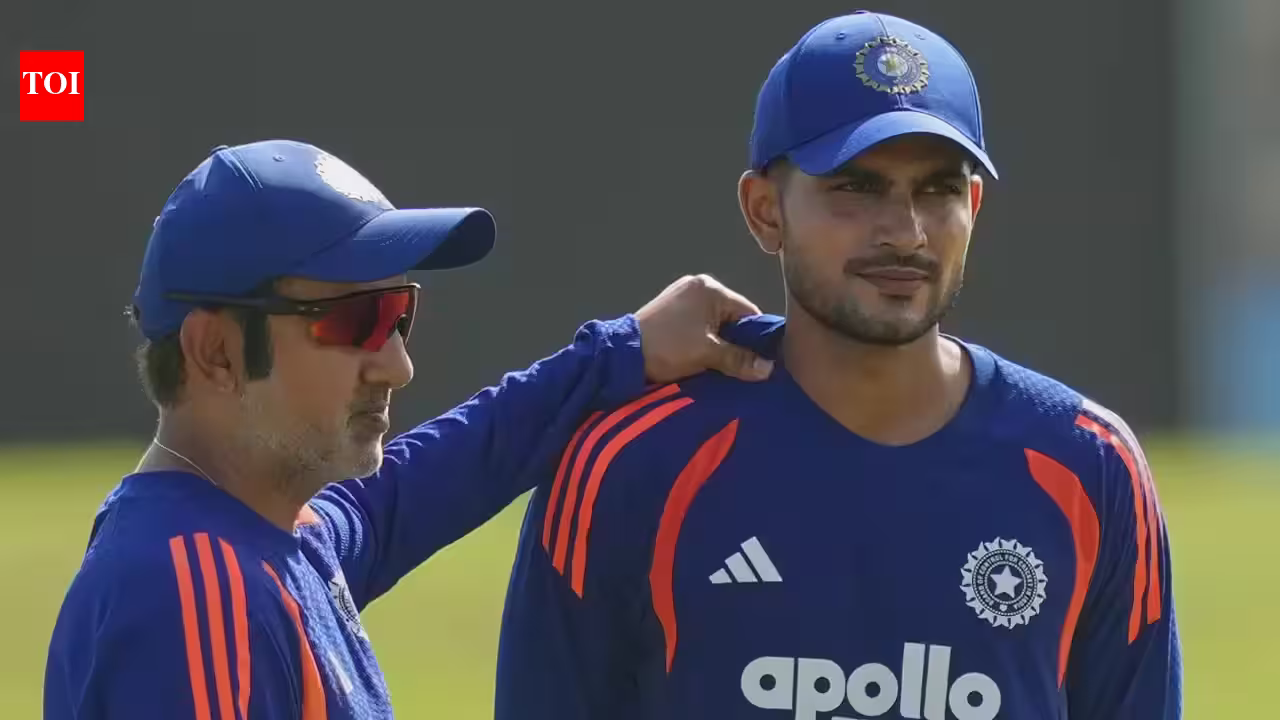
Tensions are mounting in the Indian cricket camp as a frustrating draw at the Basin Reserve in Wellington has ignited a firestorm of criticism. Former Indian pace spearhead Venkatesh Prasad has launched a scathing critique of the current team management and head coach Gautam Gambhir, labeling the squad’s tactical approach as “inappropriate and very defensive.”
The draw, which saw India fail to capitalize on a commanding position, has sent shockwaves through the dressing room and the fan base alike, particularly as it threatens to derail India’s pursuit of a spot in the World Test Championship (WTC) final.
A Missed Opportunity in Wellington
India appeared to be in the driver’s seat for much of the Wellington encounter. After posting a mammoth 702/9—a declaration that underscored their batting dominance—the tourists had every right to expect a comfortable victory against a resilient New Zealand side. Having dismissed the Black Caps for 368 in their first innings, India held a massive lead, yet the inability to penetrate the New Zealand tail on the final day became the story of the match.
The hosts, resuming at 119/2 on Day 5, faced a daunting trail of 233 runs. What followed was a masterclass in survival, as Daryl Mitchell (49 not out off 187 balls) and Glenn Phillips (26 not out off 126 balls) successfully stonewalled the Indian attack for 75 overs. India’s bowlers, rotating through various options, simply could not extract the necessary turn or movement from a flat Basin Reserve track to secure the final five wickets, finishing the day with the hosts at 239/5.
Venkatesh Prasad Calls Out Tactical Deficiencies
Taking to social media to vent his frustrations, Venkatesh Prasad did not mince words regarding the current state of the national side’s decision-making. His critique focused specifically on the inability to secure results in consecutive Test outings, noting that the draw in Wellington follows a similarly disappointing result in Sri Lanka.
“Disappointed with India not being able to win the second test match in Sri Lanka and again today,” Prasad wrote. “According to me, it is an inappropriate and very defensive strategy and has possibly cost India a chance of qualifying for the WTC finals again. Not because of talent, but because of inappropriate team selection to pick 20 wickets.”
Prasad’s core argument centers on the management’s failure to curate an attack capable of taking 20 wickets under challenging conditions. By prioritizing a defensive mindset, he suggests the team has compromised its killer instinct, allowing opponents to escape unscathed.
The WTC Qualification Math
The implications of the draw are reflected clearly in the WTC standings. India’s points percentage has dipped from 51.52 to 50, leaving them firmly in fourth place. With South Africa (75%) and Australia (69.23%) surging ahead, the path to the WTC final has become increasingly narrow for the Men in Blue. New Zealand, meanwhile, moved into third place with 66.67%, breathing new life into their campaign at India’s expense. Every point lost in a drawn game is now a potential season-ender.
Selection Under the Microscope
The spotlight has intensified on the decision-making process involving Gautam Gambhir and the team selection committee, particularly regarding the personnel left out of the XI. The omissions of experienced pacer Mohammed Siraj and the multifaceted Ravindra Jadeja have been points of significant contention.
In a match where the surface offered little for the seamers, Jadeja’s ability to provide both control and a wicket-taking threat, alongside Siraj’s proven capability to break partnerships, could have been the difference between a stalemate and a series-defining victory. Instead, the burden fell on Jasprit Bumrah, who performed admirably with five wickets in the match, while Akash Deep provided decent support. However, newcomers Prasidh Krishna and Anshul Kamboj struggled to maintain the pressure required to dismantle a set batting pair, ultimately highlighting a lack of experience in the support cast.
The Road to Christchurch
With the second Test in Christchurch set to commence on November 27, the pressure on Gambhir and the leadership group is at an all-time high. The narrative surrounding this series has shifted from an expected Indian dominance to a desperate scramble for qualification.
Changes to the bowling composition seem almost inevitable. Whether the management chooses to reintegrate senior heads like Siraj and Jadeja or persists with their current rotation policy will be the most anticipated decision of the week. For India, the directive is clear: in the race to the WTC final, there is no room left for “defensive strategies.” To reclaim their standing, they must rediscover the aggressive, wicket-taking edge that was conspicuously absent in Wellington. The eyes of the cricketing world are now fixed on Christchurch, where India must prove that their talent can overcome the tactical shortcomings of the past week.
Disclaimer: This content is auto-generated for informational purposes only.
Source: Read Original News