







The pursuit of “probiotic” solutions for industrial agriculture—microbial treatments designed to boost crop yield—has long been frustrated by a persistent gap between laboratory success and field failure. A comprehensive multi-location study published in Environmental Microbiome now offers a critical explanation for these inconsistencies: the internal bacterial communities of maize are not defined by the plant’s genetics alone, but by a complex, localized dance between those genetics and the specific soil environment in which they grow.
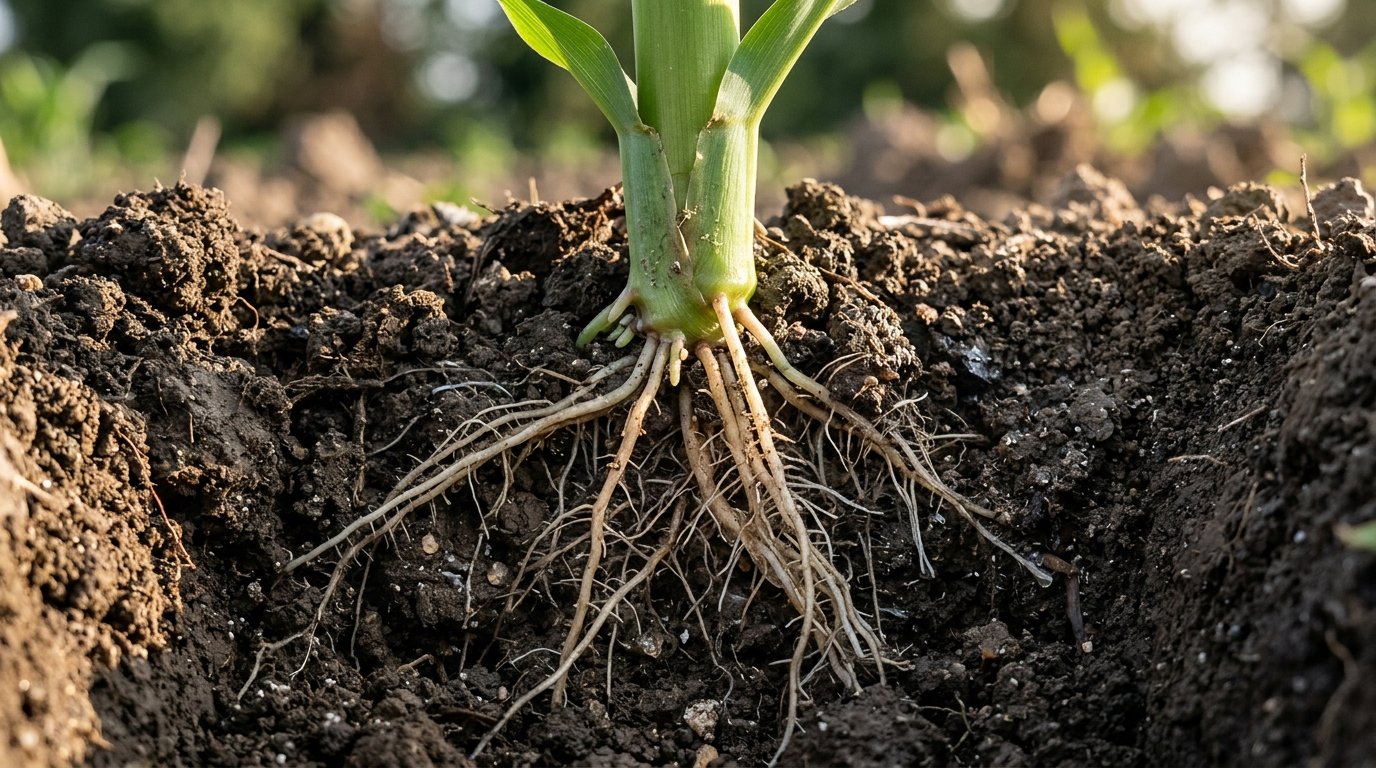
The research, led by a team of agricultural scientists, investigated the bacterial endophytes—microbes that reside within the internal tissues of plants—in maize stalks. By sampling twenty hybrid varieties across eighteen distinct geographical locations throughout the United States, the researchers sought to move beyond the controlled environment of the greenhouse and understand the drivers of the plant microbiome in authentic agricultural settings.
The study utilized 16S rRNA gene sequencing to map the bacterial populations living inside the stalk tissues. The findings revealed that the microbial landscape is remarkably fluid. At finer taxonomic levels, such as species and genus, the researchers found almost no universally conserved bacteria across the sampled stalks. Instead, the composition of these communities shifted drastically depending on the variety of maize planted and, more importantly, the location where it was cultivated.
Perhaps the most significant revelation of the study is the relative unimportance of host genetics as a standalone factor. While it is often assumed that a plant’s breed dictates its internal microbial profile, the data suggest otherwise. Host genotype accounted for less than 10 percent of the explained variation in the microbial communities. In stark contrast, local environmental factors and the specific interaction between those environments and the plant’s genetics—the “genotype-by-environment” (G×E) interaction—accounted for 10 to 28 percent of the variation.
This G×E interaction implies that a specific maize variety will foster entirely different microbial partners in a field in Iowa compared to a field in Georgia. This provides a clear scientific rationale for why beneficial microbes identified in the lab frequently fail to perform when deployed in the field: the biological “niche” they were intended to inhabit changes based on the intersection of the plant’s genetic makeup and the unique soil conditions of the farm.
Interestingly, the study identified soil pH and soil potassium as primary environmental drivers of these stalk-inhabiting bacteria. That these soil-derived properties exert such profound influence on internal plant tissues highlights a deep, systemic connectivity between the ground and the crop’s internal biological health.
The implications for the agricultural industry are profound. For decades, companies have sought to commercialize microbial biologicals—products meant to act as bio-fertilizers or stress-protectors. This research suggests that a “one-size-fits-all” approach to these products is biologically destined to underperform. If the internal microbiome is essentially a product of local environmental conditions and specific hybrid-environment interactions, then a microbial strain that thrives in one region may be ecologically incompatible with the same maize hybrid in another.
To achieve consistent results, the authors argue that the agricultural sector must pivot its strategy. Future investments should prioritize extensive, multi-location field trials that directly map G×E effects. Only by identifying microbial strains that either operate independently of these environmental fluctuations or by tailoring microbial treatments to specific regional and genetic pairings can researchers bridge the gap from promising laboratory candidates to reliable, real-world agricultural tools.
As climate change shifts environmental baselines across the agricultural heartland, understanding these complex microbial interactions has become more than an academic exercise; it is a fundamental requirement for the future of sustainable food security.
Reference:
Li, H., et al. (2026). Genotype-by-environment interaction significantly drives bacterial endophyte communities in maize stalks. Environmental Microbiome. https://doi.org/10.1186/s40793-026-00983-8
Disclaimer: This content is auto-generated for informational purposes only.
Source: Read Original News