







The Digital Architecture of Modern Tipping
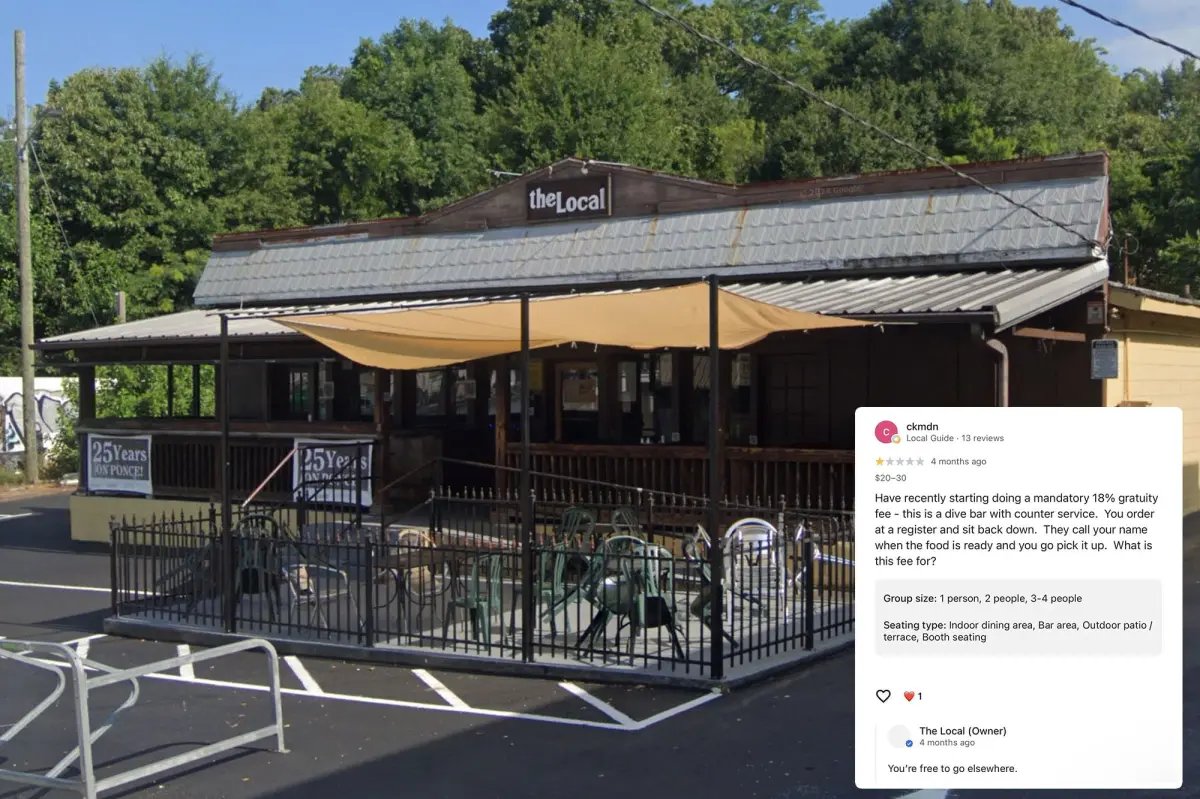
The current controversy surrounding mandatory gratuity fees in venues like Atlanta’s “The Local” reflects a broader intersection between evolving service models and the underlying technology of Point-of-Sale (POS) systems. Modern hospitality establishments increasingly rely on cloud-based payment software to manage transactions, track inventory, and calculate complex tax and service fee structures. These platforms are designed for modularity, allowing business owners to toggle various settings, including automated service charges, with a few clicks in a backend dashboard.
The technological shift from traditional cash-based transactions to integrated digital payment terminals has fundamentally changed the consumer experience. While these systems offer convenience and streamlined accounting for business owners, they also provide the infrastructure for “tip creep.” Software developers have introduced features that prompt for gratuities at every stage of the digital interface, including during self-service interactions. This shift represents a transition from a service-linked model—where tips reward interpersonal interaction—to a platform-integrated model where a gratuity can be applied programmatically, regardless of whether a human server is involved in the delivery of goods.
Automated Fee Structures and User Interface Design
When a business chooses to implement a mandatory 18% gratuity on a counter-service transaction, they are essentially reconfiguring the logic of the POS software. In many modern systems, such as those powering self-checkout kiosks or register terminals, developers have designed user interfaces that prioritize speed and transaction volume. These interfaces are often configured to display “suggested” or “mandatory” amounts immediately following the order, utilizing high-contrast buttons and psychological nudges to drive compliance.
The technical complexity arises when these systems are updated to handle multiple revenue streams. For instance, a restaurant may run a base price for food items while using a secondary layer in their POS software to automate “service fees” or “mandatory gratuity” lines before the customer initiates payment. This approach bypasses the traditional step of manual entry and makes the extra charge a fixed component of the digital receipt. For the consumer, this creates a situation where the final price is obscured until the moment of transaction, leading to the frustration and social media backlash currently being observed.
The Role of POS Algorithms in Revenue Management
From an engineering and business operations perspective, these automated charges are often marketed as tools for financial stability. Businesses argue that these features ensure consistent compensation for back-of-house staff or operational overhead. However, the lack of transparency in how these systems are implemented at the point of interaction has caused friction.
Sophisticated POS software now enables businesses to program specific triggers for these charges. For example, a system can be set to automatically apply a service fee to all orders over a certain dollar threshold or to every transaction that occurs within a specific time window. While this provides businesses with a granular level of control over their financial intake, it lacks the flexibility to adjust for the quality of service or the specific nature of the interaction. When the technology is applied to a casual environment—such as a dive bar where the service model involves little more than a hand-off of products—it creates a mismatch between the digital fee structure and the physical reality of the customer experience.
Consumer Friction and the Digital Backlash
The backlash against these systems is largely driven by the transparency gap created by modern checkout interfaces. As payment terminals become more ubiquitous, the expectation of digital efficiency has collided with the traditional social norms of tipping. When a consumer discovers that a mandatory fee has been applied through a digital terminal without clear, upfront disclosure, it triggers a negative user response.
This sentiment is amplified by the ubiquity of these systems across different industries. From airport kiosks to self-service retail stations, the underlying software architecture for collecting extra fees is increasingly standardized. When machines or automated systems prompt for payment on top of base prices for which no personalized service was rendered, consumers are reporting a sense of technological alienation. This is no longer just about the cost; it is about the perceived dishonesty in the way the digital interface manages the transaction, essentially embedding a fee that the user may not have authorized or expected given the context of the service.
Future Trends in Transactional Transparency
The technical challenge facing the hospitality industry is how to reconcile the need for sustainable revenue with the demand for a frictionless, transparent customer experience. Moving forward, developers and business owners may need to adopt more sophisticated, data-driven approaches to pricing. This could involve moving away from hidden or mandatory fees toward a transparent pricing model where the total cost is communicated clearly before the checkout process begins.
Legislative and regulatory bodies are beginning to pay attention to these digital practices. As more consumers express dissatisfaction, we may see the emergence of strict requirements for how fees are displayed on digital terminals. For now, the technology remains at the center of the conflict, acting as the mechanism that makes these unpopular service models both easy to implement and difficult for the customer to navigate. The current struggle illustrates that while technology can easily update the mathematics of a bill, it cannot automatically update the social contract that governs how consumers interact with service-based businesses.
Disclaimer: This content is auto-generated for informational purposes only.
Source: Read Original News