







Inflation Bites Harder: The Growing Burden on India’s Poorest Households
The economic divide in India is becoming increasingly stark as rising food costs weigh disproportionately on the most vulnerable. Recent data indicates that the struggle to afford basic sustenance is intensifying, with lower-income families bearing the brunt of a broader inflationary trend that shows few signs of slowing down.
The Unequal Burden of Rising Costs
New calculations from the analytics firm Crisil highlight a troubling reality: inflation is not a uniform experience. In October, the bottom 20% of rural households faced an inflation rate of 6.9%, significantly higher than the 6.5% experienced by the wealthiest 20%. A similar trend persists in urban centers, where the poorest households saw costs climb by 6.1%, compared to 5.3% for the affluent.
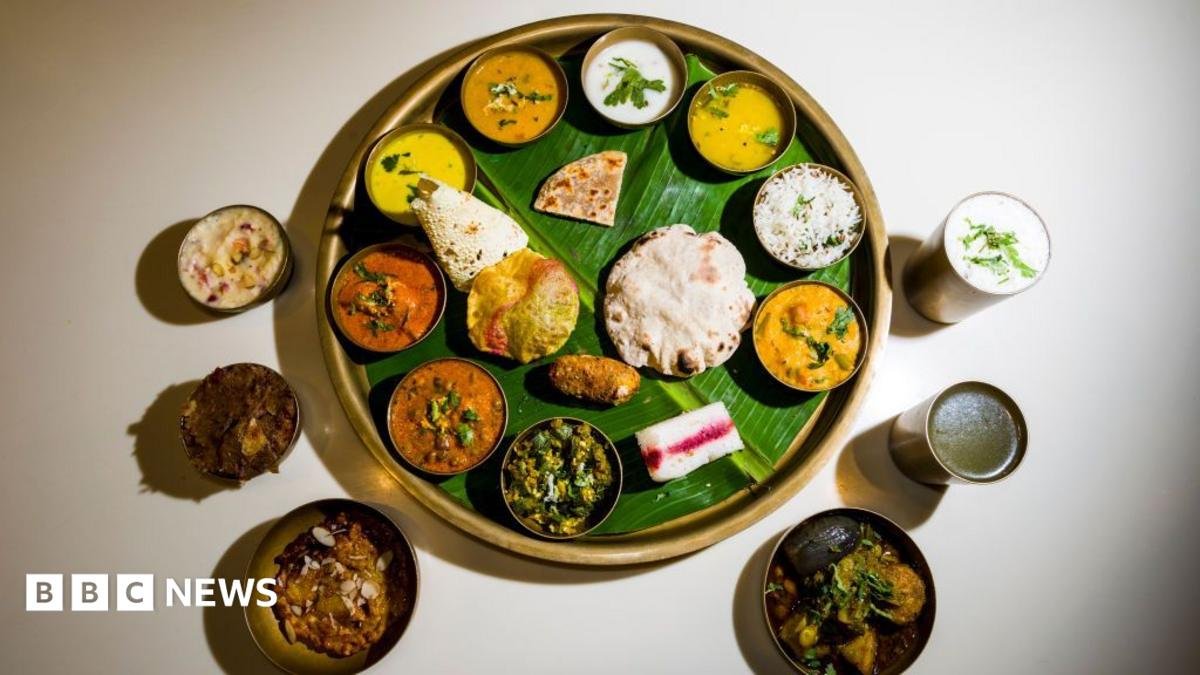
This disparity is best illustrated by the rising price of a standard meal. Crisil’s “Roti Rice Rate” analysis reveals that a home-cooked vegetarian thali surged in cost by 12% year-on-year in October. Non-vegetarian options were not spared, witnessing a 9% increase.
According to Pushan Sharma, director of intelligence at Crisil, the surge is moving beyond isolated incidents. “It’s no longer a few commodities that are driving this increase; it’s becoming a little more broad-based,” he notes. Essential kitchen staples are contributing to the heat, with edible oil prices rising 13%, LPG costs up 10%, and rice and pulses seeing hikes of 10% and 8% respectively. While households can curtail their consumption of expensive luxuries or specific seasonal vegetables, substituting core staples like rice, pulses, and cooking oil is nearly impossible for low-income families.
Structural Challenges in the Supply Chain
The current inflationary spike underscores deep-seated structural weaknesses in India’s food supply chain. While seasonal weather patterns often trigger temporary shocks, the inability to effectively store, process, and transport agricultural produce turns manageable shortages into painful price hikes for the consumer and wasteful gluts for the farmer.
Perishable goods like onions and tomatoes are the primary catalysts for volatility. Onions, for example, are highly sensitive to the supply cycle; since the winter rabi crop must be stored for months, prices inevitably climb as stocks diminish before the next harvest. Similarly, heat stress often compromises tomato yields during the summer months.
However, experts point out a dangerous dichotomy: farmers frequently face losses during harvest gluts due to a lack of cold-storage infrastructure, while consumers are forced to pay premium prices for those same products just months later.
The Long-Term Outlook
While perishables trigger sudden, sharp fluctuations, the steady climb in the price of staples like wheat and rice suggests a more permanent upward shift in the cost of living. Economists emphasize that until India invests more heavily in sophisticated sorting, grading, and cold-chain infrastructure, the country will continue to cycle between agricultural waste and severe price volatility.
For the average Indian household, the message is clear: the era of cheap, predictable food prices is under pressure. As the cost of a simple thali rises, the fiscal space for millions of families continues to shrink, making the need for systemic supply-chain reform more urgent than ever.
Disclaimer: This content is auto-generated for informational purposes only.
Source: Read Original News