







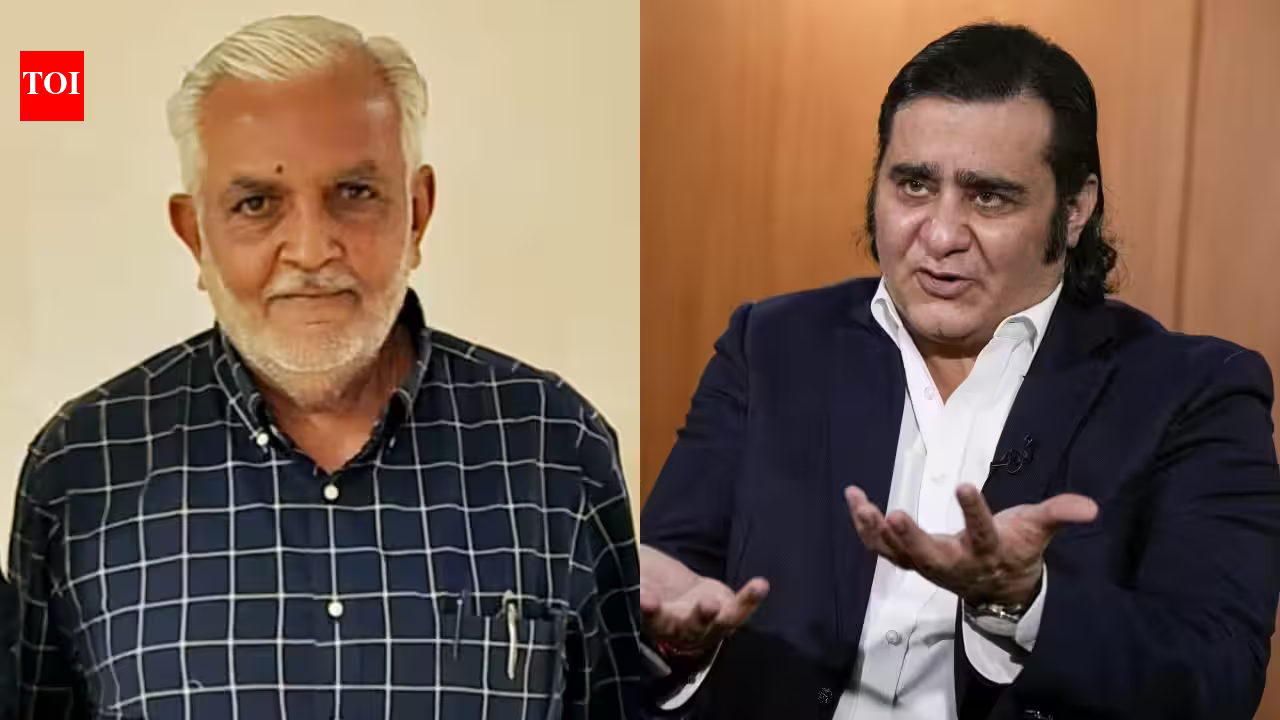
NEW DELHI: The landscape of Indian tennis is at a pivotal crossroads as the All India Tennis Association (AITA) prepares for a high-stakes presidential election. The contest has boiled down to a binary choice between two distinct philosophies: Chintan Parekh’s reformist “Tennis First” platform and Rohit Rajpal’s highly structured “The Next Serve” roadmap. As both camps campaign for the mandate to govern the sport, the tennis fraternity is keenly watching, hoping that these competing visions will finally address the systemic stagnation that has long hindered the nation’s potential on the global stage.
Two Philosophies, One Goal
At the heart of the debate is the fundamental question of how to modernize a sport that has historically struggled to shed its elitist perception. Chintan Parekh, bolstered by the star power of vice-presidential candidate Leander Paes, argues that the rot must be cleared from the top down. His platform is built on governance reform, institutional transparency, and the financial stabilization of the association. Parekh envisions a total restructuring of the AITA Trust and a resolution of the long-standing frictions with the Delhi Lawn Tennis Association (DLTA), aiming to transform the AITA into an organization that is both clean and athlete-centric.
Conversely, Rohit Rajpal has opted for a granular, programmatic approach. “The Next Serve” is a manifesto defined by deadlines, specific KPIs, and a methodical rollout of projects. Rajpal is pitching himself as the candidate of logistics and execution, promising state-wise audits within his first 100 days in office and a rigorous central database to track talent identification across the country.
The Grassroots Battleground
The divide between the two candidates becomes starkest when discussing grassroots expansion. Parekh emphasizes a broad outreach to underserved regions—specifically targeting the North-East—with a long-term goal of building a robust coaching pyramid by 2030. His vision is one of accessibility, aiming to dismantle the barriers that have historically confined tennis to metropolitan hubs.
Rajpal’s counter-proposal centers on standardization. He aims to implement universal talent-identification protocols across all states, coupled with the establishment of regional zonal camps. By prioritizing low-cost scouting in rural districts and creating a pipeline that feeds into national centers of excellence, Rajpal hopes to turn talent acquisition into a predictable, repeatable process rather than a sporadic occurrence.
Infrastructure and Competitive Depth
Infrastructure remains the Achilles’ heel of Indian tennis. Parekh intends to bypass the conventional reliance on established urban clubs, pushing for development in remote areas to widen the talent pool. Rajpal, however, is looking to enhance existing hubs while diversifying the types of facilities available. His plan includes exploring high-altitude training centers and expanding regional centers of excellence, ensuring that players have a variety of surfaces and climates in which to refine their craft.
The schedule of play is another point of contention. While Parekh focuses on securing the AITA’s financial health to act as a foundation for future growth, Rajpal has set ambitious, concrete targets for tournament volume. He has pledged to revitalize India’s international standing by aiming to bring ATP and WTA events back to home soil, while simultaneously committing to a circuit of at least 30 domestic tournaments per year by 2030, covering women’s, junior, and senior categories.
Governance and Financial Viability
The financial sustainability of Indian tennis is the backbone of this election. Parekh has set a bold target of building an AITA corpus of ₹200-250 crore over the next four years, leveraging CSR partnerships to create a sustainable financial ecosystem. As Leander Paes recently noted, the priority is to “clean it up” first—addressing corruption to ensure that funding actually reaches the grassroots players who need it most.
Rajpal’s financial platform is equally focused on the welfare of the professional player. He has proposed a comprehensive support system that includes travel and tournament-entry assistance, a CSR-funded “Players’ Distress Fund,” and a feasibility study into a long-overdue pension scheme for retired legends of the sport. His governance structure relies on internal committees for ethics, dispute resolution, and athlete representation, aiming to move away from opaque decision-making processes toward a culture of measurable progress reports.
The Bottom Line: A Change in Trajectory
As the election date approaches, the tennis community is presented with a clear choice. Will they opt for the systemic overhaul and institutional purification championed by Parekh, or the project-based, data-driven methodology proposed by Rajpal?
Both candidates have correctly identified that Indian tennis is in desperate need of a fresh trajectory. The current stagnation, characterized by a lack of global-class results and limited opportunities for mid-tier professionals, is a problem that requires more than just rhetoric. Regardless of who claims the presidency, the victor will face the immense challenge of turning these ambitious manifestos into reality. For the thousands of aspiring players currently waiting for a breakthrough, this election represents more than just a change in leadership—it represents a make-or-break opportunity for the future of the sport in India.
Disclaimer: This content is auto-generated for informational purposes only.
Source: Read Original News