









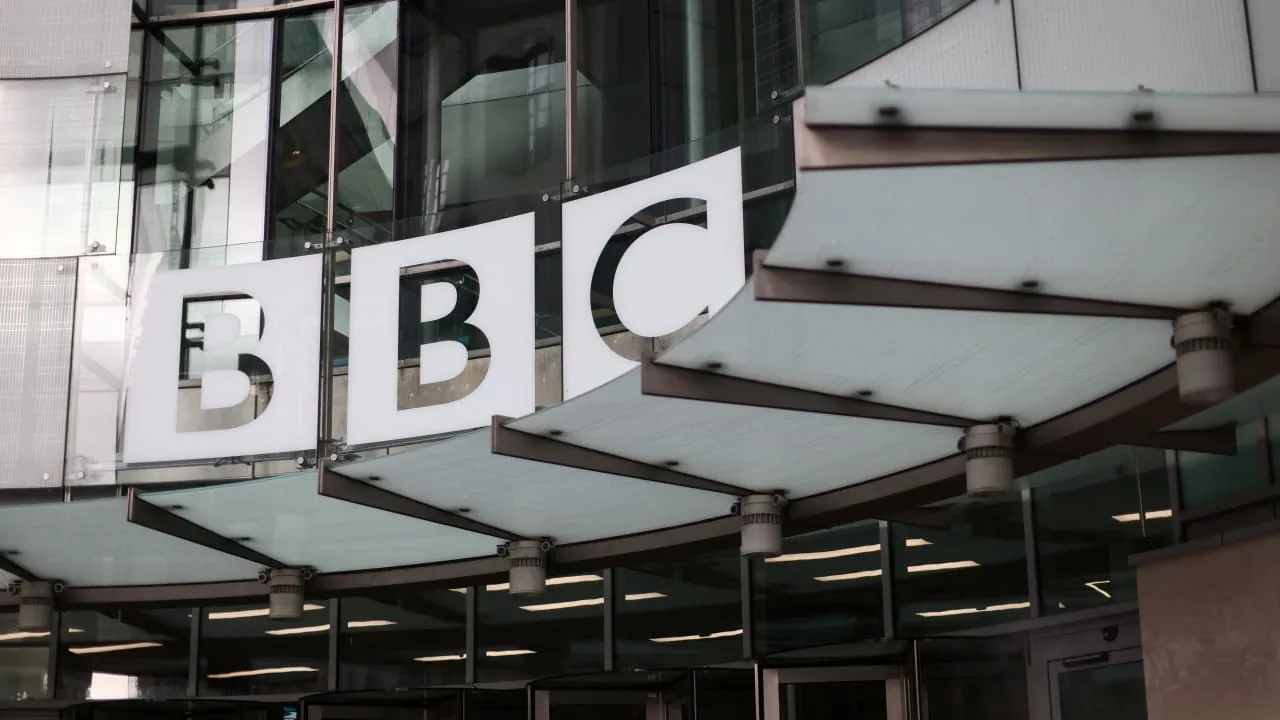
The UK government’s independent adviser on antisemitism, Lord John Mann, has launched a formal investigation into the BBC, citing mounting allegations of a “hostile work environment” for Jewish staff. The inquiry, announced this week, marks a significant escalation in the ongoing scrutiny of the public broadcaster’s internal culture and its editorial standards regarding the Middle East.
Lord Mann stated that his decision to intervene followed a “growing feeling of discomfort” among Jewish employees. “If that’s true, if that is widespread, then that’s a really serious problem that has to be addressed,” he said during an appearance on BBC Radio 4’s Today program. He emphasized that the situation requires oversight at the most senior levels of the organization.
Addressing concerns of bias, Lord Mann stressed that he is approaching the matter with a “blank sheet of paper.” He clarified, “I have no agenda against the BBC; I have an agenda of ensuring the BBC meets its charter obligations and that Jewish staff play an equal and confident role.” However, in separate comments to The Times, he suggested that the prevalence of these issues indicates an “institutional” problem, noting that previous internal attempts by the corporation to resolve complaints have proven ineffective.
The BBC has responded to the announcement by reiterating its commitment to a neutral and inclusive workplace. “We take any and all allegations of discrimination extremely seriously; there is no place for it at the BBC,” a spokesperson stated. The corporation highlighted that it has implemented mandatory antisemitism training for all personnel and maintains established channels for staff to report grievances.
The inquiry comes amid a backdrop of high-profile incidents and claims of systemic bias within the broadcaster. Earlier this month, a former commissioning editor for the BBC’s Storyville documentary series, Lucie Kon, received a £400,000 settlement after filing a claim alleging antisemitism, bullying, and unfair dismissal. While the BBC did not formally uphold the claims of antisemitism, the broadcaster acknowledged the “personal impact” on the former producer.
In the wake of that settlement, the BBC’s deputy director general, Rhodri Talfan Davies, pushed back against suggestions that the corporation is institutionally discriminatory, stating that he does not recognize that description. Davies further argued that an independent inquiry was unnecessary, asserting that the BBC has “very, very robust processes” currently in place.
Despite these assurances, the Board of Deputies of British Jews has welcomed Lord Mann’s investigation, describing the accounts they have received from Jewish staff as “deeply concerning.” The Board emphasized that the BBC, as a prominent national institution, should serve as the “gold standard” for workplace inclusivity and impartial journalism.
The scrutiny extends beyond workplace culture to the broadcaster’s editorial output. Last year, an internal whistleblower report surfaced alleging that the BBC’s Arabic news service had consistently sought to minimize Israeli suffering during the war in Gaza, purportedly to portray Israel as the aggressor. Additionally, Danny Cohen, the former head of BBC Television, recently alleged in the Telegraph that numerous Jewish employees have contacted him to describe a “drumbeat of bias” in coverage and a fear that reporting such issues would jeopardize their careers.
Lord Mann stated that his report would be submitted to both the BBC and the government, focusing strictly on empirical evidence rather than personal opinion. As the investigation gets underway, the broadcaster faces increasing pressure to demonstrate that it can maintain its impartiality and support its workforce in an increasingly polarized climate.
Disclaimer: This content is auto-generated for informational purposes only.
Source: Read Original News
