






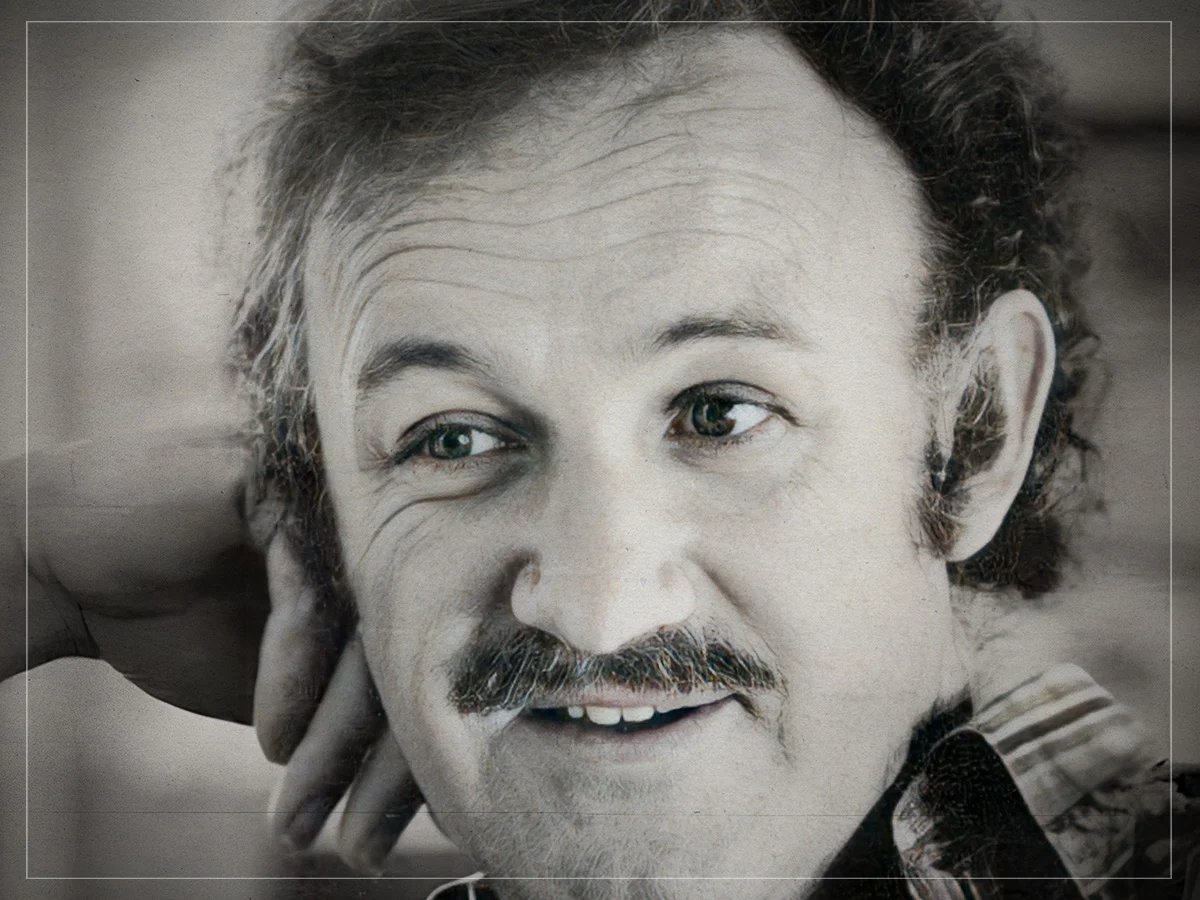
The legacy of one of cinema’s most formidable talents is being remembered today as fans and colleagues reflect on the remarkable, oscillating career of Gene Hackman. Though his final curtain call in Hollywood took place two decades ago, the industry continues to grapple with the complexities of his path—a journey defined by incredible artistic peaks, a restless search for balance, and an ultimate, quiet triumph over the industry’s relentless demands.
In 1977, Hackman stood at the absolute summit of his profession. Ten years after his breakout turn in Bonnie and Clyde and six years after cementing his status as an A-list titan with his Academy Award-winning performance in The French Connection, the 47-year-old actor was arguably the most versatile face in cinema. Yet, as he donned the iconic purple suit of Lex Luthor for Superman, the weight of fame began to press against his desire for a personal life.
“I was a mess,” Hackman later confessed to The Stacks regarding his ill-fated attempt at retirement during that era. What began as a year-long sabbatical to focus on family quickly spiraled. In an industry notoriously unforgiving of absence, Hackman found that the golden offers evaporated the moment he stepped away. When he eventually attempted to return, the landscape had shifted, and he found himself fighting to reclaim the ground he had vacated.
However, the “Hackman grit” eventually prevailed. Through strategic roles in Reds and his towering, Oscar-winning performance in Clint Eastwood’s 1992 revisionist masterpiece, Unforgiven, he proved that true talent could survive even the most fickle tides of Tinseltown. From the eccentric patriarch of The Royal Tenenbaums to his turn in Wyatt Earp, his late-career output became a masterclass in staying relevant without compromising one’s dignity.
By 2004, the cycle finally broke for good. Following the release of the political comedy Welcome to Mooseport, Hackman made his exit permanent. Speaking to Reuters at the time, he eschewed the typical fanfare of a “retirement tour,” stating clearly, “I’m not going to act any longer… I really don’t want to do it any longer.”
Unlike so many of his peers who find themselves perpetually drawn back by the lure of the spotlight, Hackman largely kept his word. Aside from the occasional voice-over work for documentaries, he traded the high-pressure environment of the film set for the anonymity of private life.
Today, as critics and audiences look back at his body of work, the narrative isn’t just one of an Oscar-winning icon; it is the story of an artist who dared to prioritize his humanity over the “disposable commodity” status Hollywood so often imposes. Gene Hackman remains the definitive example of a man who spent his life winning the game, only to decide that the best way to win was to simply walk away.
Disclaimer: This content is auto-generated for informational purposes only.
Source: Read Original News